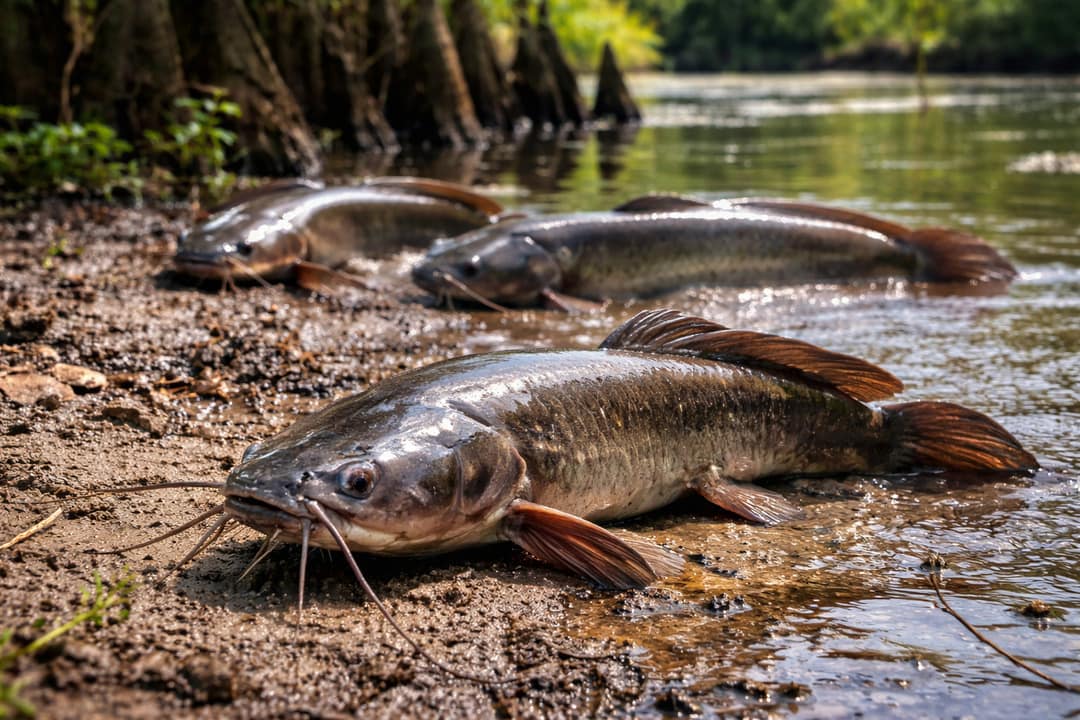

Florida’s freshwater ecosystems are some of the most diverse in the United States, but also among the most vulnerable when it comes to invasive species. One of the most unusual and disruptive invaders in recent decades is the Walking catfish a species that is steadily spreading across the state. Renowned for its survival skills out of water and its unique ability to “walk” on land, the Walking catfish poses growing concerns for environmental experts and anglers alike.
As of 2026, the advance of walking catfish continues to reshape local waterways, affecting native fish populations, altering habitats, and shifting fishing patterns. According to recent reports from Shimply, understanding this species’ impact is crucial for anyone involved in Florida fishing, conservation, or outdoor recreation.
What Makes Walking Catfish Unique—and Problematic
Unlike typical freshwater species, the Walking catfish hails originally from Southeast Asia. It was introduced to Florida decades ago, likely through escapes from fish farms and the aquarium trade. Since its arrival, its remarkable adaptability to Florida’s warm, wet climate has set it apart.
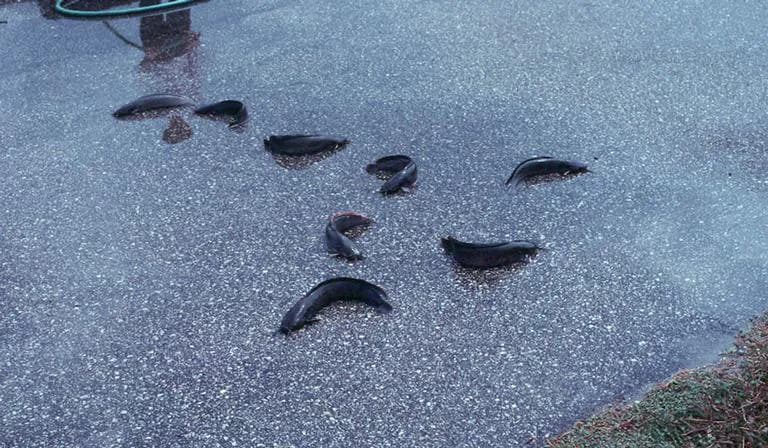
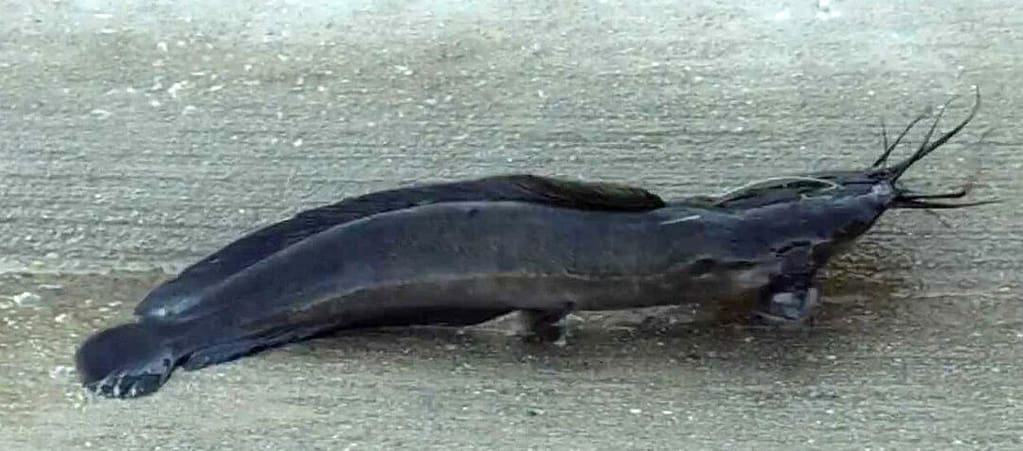
What truly distinguishes this species is its terrestrial mobility: walking catfish can use their pectoral fins to move overland, especially during wet conditions. This allows them to migrate between water bodies, greatly increasing their potential range. Their specialized respiratory system enables them to gulp air and survive in low-oxygen environments, giving them a substantial survival advantage.
These traits make the Walking catfish both highly resilient and challenging to control. Once established in a water system, their population can quickly dominate, often at the expense of native species.
The Ecological Impact on Florida’s Native Fish
The expansion of walking catfish raises significant ecological concerns. Florida’s freshwater systems are home to many species that are already threatened by habitat loss and environmental change.
Walking catfish are opportunistic feeders, preying on a broad array of animals small fish, invertebrates, fish eggs, and even detritus. Their feeding can disrupt breeding cycles and lower the populations of sensitive native species. They compete directly with native catfish (like channel and bullhead species) and others for both food and shelter, and their aggression and adaptability often tip the balance in their favor.
This can lead to a decrease in biodiversity, undermining the stability and health of entire aquatic ecosystems.
Changing Fishing Conditions in Florida
For anglers, walking catfish are an increasingly familiar catch. While some may welcome a novel species on the line, their growing presence can make targeting native game fish more difficult.
Not only do walking catfish compete for bait, but their abundance means anglers often catch them incidentally while seeking other species. This can be frustrating for those aiming to catch traditional sport fish or native catfish. Their voracious feeding habits also influence where and how fish can be caught, sometimes forcing anglers to change tactics or locations.
As native populations shift and the composition of local fisheries changes, Florida anglers must adapt to these new realities.
Climate, Environment, and the Expansion of Walking Catfish
Florida’s climate is a key driver of the walking catfish’s success. Warm temperatures, abundant rainfall, and intricate networks of waterways create ideal conditions for the species to thrive.
During heavy rains and flooding, walking catfish can cross land bridges, ditches, and wetlands, colonizing new areas. Urban development and water management systems such as drainage canals further aid their spread by connecting habitats that were once isolated.
Moreover, ongoing climate variability, such as changes in rainfall and temperature patterns, could further expand walking catfish distribution into areas where they were not previously common.
Managing the Invasion: Efforts and Challenges
Controlling an invasive species as adaptable as the walking catfish is a major challenge. Eradication is rarely possible once a population is established, so management strategies focus on containment and population reduction.
Wildlife agencies in Florida continuously monitor walking catfish spread and run public outreach programs to increase awareness of their impact. Regulations are in place to discourage the release of non-native fish, and anglers are encouraged to remove walking catfish they catch and to avoid reintroducing them to waterways.
Public participation and awareness are crucial. By following best practices and regulations, anglers and residents play a vital role in limiting the species’ further spread.
What Anglers Need to Know in 2026
For today’s Florida anglers, the walking catfish has become an unavoidable part of the fishing landscape. Adapting to their presence means learning to recognize them, employing different techniques, and sometimes shifting fishing strategies.
Tips for 2026:
- Experiment with different baits and fishing spots to avoid or target walking catfish, depending on your goals.
- Follow local guidelines for the handling and disposal of invasive species.
- Stay informed about changes to regulations and ecosystem health in your favorite fishing areas.
Understanding walking catfish behavior and adapting to the changes in fish community dynamics can make a significant difference for both recreational and professional anglers.
A Wider Perspective: Invasive Species and Ecosystem Health
The walking catfish invasion is part of a broader challenge facing Florida’s aquatic environments. Invasive species whether fish, plants, or animals can destabilize ecosystems, reduce native biodiversity, and impact local economies.
Maintaining ecological balance is an ongoing effort, requiring vigilance, scientific research, and coordinated action among agencies, communities, and citizens. While total eradication of invasives like walking catfish may be out of reach, responsible management and public awareness can help curb their damage.
The story of the walking catfish reminds us how interconnected Florida’s freshwater ecosystems are, and how quickly they can change in response to outside pressures.
Rising to the Challenge in Florida’s Waters
As of 2026, the persistent spread of the Walking catfish underscores the ongoing challenges posed by invasive species in Florida. Its adaptability and resilience make it a formidable force in local waterways.
Looking ahead, successful management will depend on continued education, scientific monitoring, and responsible behavior by anglers and outdoor enthusiasts. By understanding and addressing the risks, Florida’s communities can help safeguard the state’s unique ecosystems and keep its fishing tradition strong.
The future of Florida’s freshwater environments and the experiences of those who love them hinges on how well we meet the challenge posed by species like the walking catfish in the years to come.


