
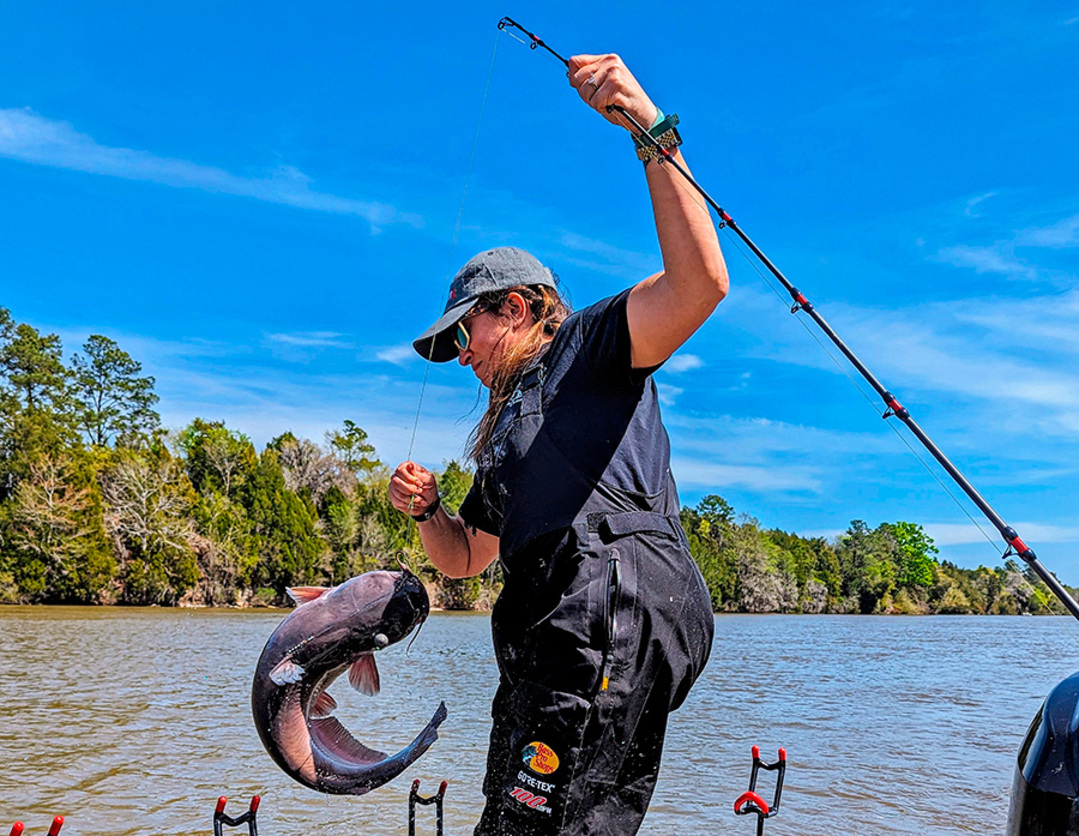
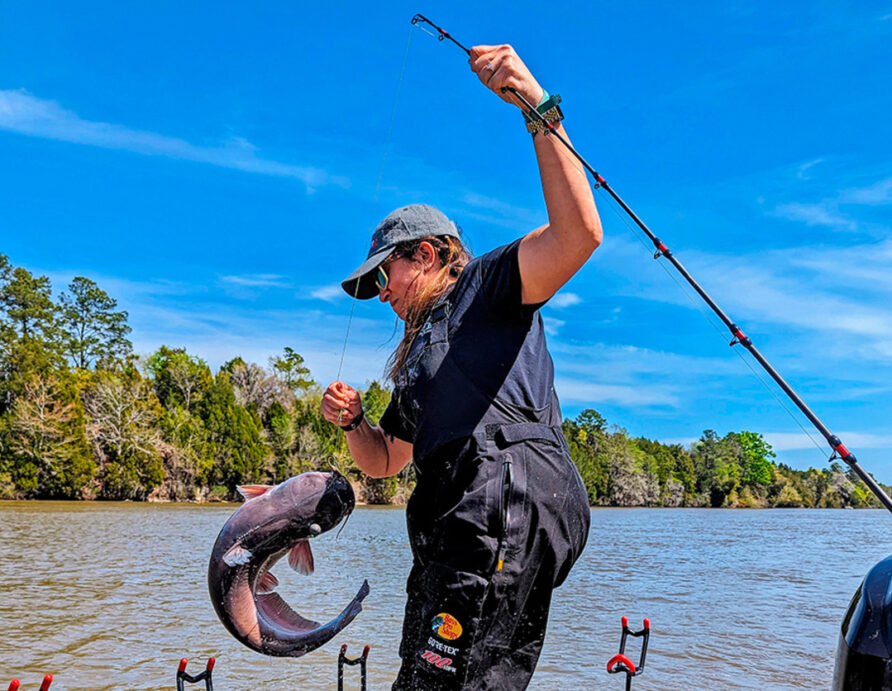
There’s something different about river catfishing. It’s not passive, and it’s definitely not predictable. Over the years, I’ve learned that if you want to consistently catch big fish especially trophy blue catfish you have to move beyond simply anchoring and waiting.
That’s where the bumping technique for catfish comes in.
The first time I saw it done correctly, it changed the way I approached river fishing. Instead of letting bait sit still, anglers were actively guiding it through the current, almost like hunting rather than waiting. It felt more precise, more controlled and most importantly, more effective.
Understanding the Bumping Technique
At its core, the bumping technique for catfish is about controlled movement. Instead of anchoring your boat, you allow it to drift slowly with the current while maintaining just enough control to guide your bait along the river bottom.
The idea is simple in theory but requires practice to master. You’re essentially “walking” your bait downstream:
- Letting the sinker tap along the bottom
- Keeping the bait slightly ahead of the boat
- Maintaining steady contact with the riverbed
What makes this method so effective is that it keeps your bait in the strike zone longer, covering more ground while mimicking natural movement.
Walking Bait in the Current: The Key to Success
One of the most important elements of the bumping technique for catfish is how you present your bait. It’s not just about dragging it along it’s about controlling how it moves.
From my experience, the goal is to create a natural, subtle motion. Catfish, especially larger blue cats, are used to seeing food drift with the current. When your bait behaves the same way, it becomes much more convincing.
Timing is everything. You don’t want the bait to bounce erratically or lift too far off the bottom. Instead, you want a steady rhythm tap, glide, tap that signals to nearby fish that something worth eating is passing by.
This level of control turns fishing into something far more active and engaging.
Reading River Structure Like a Pro
If there’s one skill that separates average anglers from consistently successful ones, it’s the ability to read river structure.
The bumping technique for catfish is only as effective as your understanding of where fish are likely to be. Big blue catfish don’t just roam randomly they position themselves strategically.
I’ve found that the best areas to target include:
- Channel edges, where depth changes quickly
- Current seams, where fast and slow water meet
- Drop-offs and ledges, which provide ambush points
These areas act as feeding lanes. Catfish hold in these zones, waiting for food to come to them. By guiding your bait through these spots, you’re increasing your chances of a strike dramatically.
Modern tools like sonar can help identify these structures, but even without technology, learning to “read” the river is essential.
Why This Technique Targets Trophy Blue Catfish
There’s a reason why serious anglers rely on the bumping technique for catfish when targeting larger fish.
Trophy blue catfish are not typically found in shallow, random areas. They prefer deeper water with access to current and structure. They also tend to be more selective, which means presentation matters.
By using this technique, you’re:
- Covering more territory
- Presenting bait naturally
- Targeting high-probability zones
From what I’ve seen, this combination is exactly what attracts bigger fish. It’s not about luck it’s about precision and consistency.
Gear and Setup: Keeping It Simple but Effective
While the technique itself is advanced, the gear doesn’t need to be overly complicated. A solid rod, a reliable reel, and a properly rigged setup are enough to get started.
The key is balance. Your setup should allow you to feel the bottom clearly without being too heavy or too sensitive. You want to detect both the subtle taps of the riverbed and the unmistakable pull of a fish.
Bait selection also plays a role. Fresh cut bait is often preferred because it produces scent and movement that attract catfish in flowing water.
The Learning Curve: Why Practice Matters
I won’t pretend that the bumping technique for catfish is easy to master. It takes time to develop the feel for it.
At first, it can be frustrating. Controlling the boat, maintaining the right speed, and keeping your bait in the correct position all require coordination. But once it clicks, everything changes.
Fishing becomes more interactive. You’re no longer waiting you’re actively searching, adjusting, and responding.
A Technique Backed by Experience
According to insights from In-Fisherman, the bumping technique for catfish has become one of the most effective methods for targeting large blue catfish in river systems, especially when combined with proper current control and structure analysis.
This aligns perfectly with what I’ve experienced on the water. The technique isn’t just a trend it’s a proven approach that continues to evolve.
Turning Movement Into Opportunity
River catfishing has always been about adapting to the environment, and the bumping technique for catfish represents that philosophy at its best.
It transforms fishing from a waiting game into a dynamic, skill-driven process. By walking bait through the current, reading river structure, and targeting the right areas, anglers can dramatically improve their chances of landing trophy blue catfish.
From my perspective, this technique isn’t just effective it’s empowering. It puts control back in the hands of the angler, turning each drift into an opportunity rather than a gamble.
And in a sport where every cast counts, that makes all the difference.


