
The Florida blue catfish record is more than a giant-fish headline. A 73.6-pound blue catfish tied to the Suwannee River forces anglers to think harder about where trophy cats actually live, how they feed, and why obvious water is not always the best water. Big fish are rarely accidental; they are usually the product of habitat, timing, patience, and a pattern most people do not stay with long enough.
That matters because record talk can make anglers chase weight instead of water. Trophy catfishing starts with structure, current, bait supply, and gear strong enough to finish the fight. The equipment side of that equation becomes clearer in big-cat gear decisions, but the first lesson is still location.
Florida Blue Catfish Record Talk Starts With the River
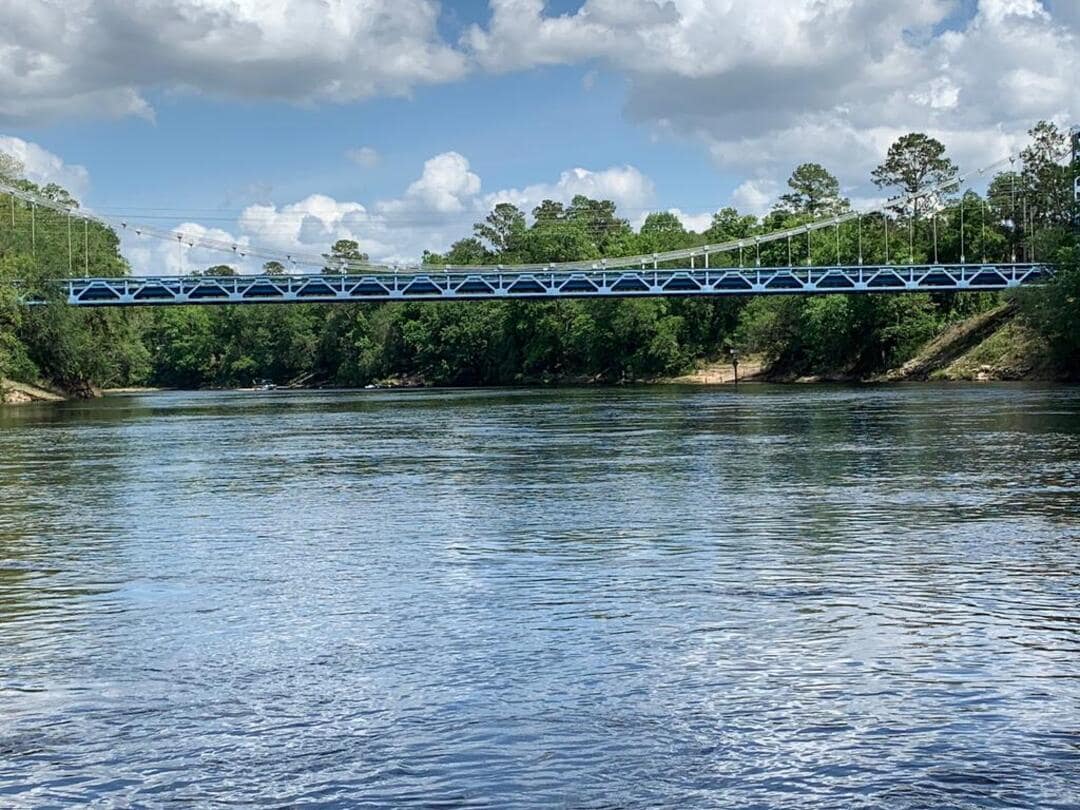
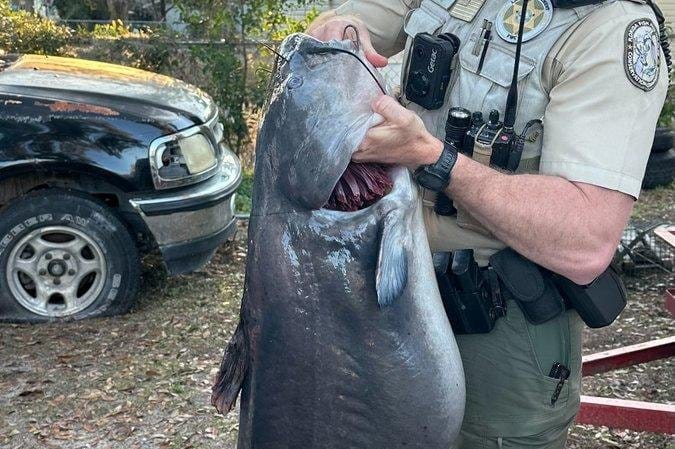
FWC’s state-record table lists blue catfish at 73.6 pounds, 48.5 inches long, with a 36.75-inch girth, caught by Justin Hodge from the Suwannee River in Dixie County. That official record line matters because it puts the trophy conversation somewhere specific: a real river system with current, depth, forage, and years of fish growth behind it.
A record does not mean every bend of the Suwannee is suddenly easy. It means the system has shown the capacity to produce a fish that lived long enough and fed well enough to reach exceptional size. That is a different kind of clue than a social media photo.
The official state record listing also shows why species context matters. Florida has separate records for channel catfish, flathead catfish, white catfish, brown bullhead, yellow bullhead, and blue catfish. A trophy plan should start by knowing which fish the water is most likely to produce.

Trophy Fish Use Boring-Looking Water
Anglers often expect trophy water to look dramatic. Sometimes it does. But big blue catfish may use deep bends, current breaks, channel edges, log-strewn holes, or less obvious travel routes that look plain from the bank. The best water is not always the prettiest water.
A trophy cat needs food and security. That can mean a long flat near a channel, a bend with deeper scoured water, or a stretch where current funnels bait into predictable lanes. The surface may not reveal much. The bottom is doing the work.
The best clue is function. Does the water move food? Does it give a big fish a place to hold? Does it connect shallow feeding areas with deeper safety? If the answer is yes, the spot deserves more respect than it may get.
Bait Size Still Has to Match the Moment
A record fish makes anglers want to throw the biggest bait in the cooler. That can work, but it is not automatically right. Trophy blue cats often respond to fresh cut bait, oily baitfish, and natural forage, but bait size should match current, feeding mood, and hook exposure.
A giant bait that spins in current, hides the hook, or sits outside the feeding lane may be less effective than a cleaner chunk placed correctly. Big-fish bait should not just be large; it should fish properly.
FWC’s catfish guidance notes that catfish locate food by smell and often respond to strong-odor baits such as chicken liver, shrimp, cut mullet, and stinkbaits. That catfish feeding behavior reinforces the bigger point: scent and placement are more important than showing off bait size.
Pressure Changes the Trophy Equation
A certified record can change angler behavior quickly. More attention can mean more boats, more bank traffic, more bait in the water, and more pressure on obvious access points. That does not erase trophy potential, but it may make easy spots less reliable.
Big fish often tolerate less disturbance than smaller fish. Heavy pressure can push feeding windows later, move fish deeper, or make them use less convenient structure. The better response is not simply fishing harder. It is fishing smarter: off-hours, quieter banks, cleaner bait, and more disciplined spot selection.
A record can help a river’s reputation, but it can also crowd the most predictable water. Attention creates pressure, and pressure rewards anglers willing to adjust.
Record Fish Lessons for Serious Anglers
A record catch should not turn into fantasy. It should turn into a checklist.
| Record Lesson | What It Means | How Anglers Should Respond |
| River system matters | Big cats need room and forage | Target connected water and travel lanes |
| Current matters | Food moves through predictable paths | Fish seams, bends, and hole edges |
| Size takes time | Trophy fish are not everywhere | Be patient with high-value water |
| Bait must work | Large bait is not enough | Keep scent fresh and hook exposed |
| Pressure follows news | Famous water gets crowded | Fish quieter windows and secondary spots |
| Rules still apply | Record chasing does not override limits | Check current regulations before keeping fish |
The best record-inspired anglers do not chase one exact spot. They study the ingredients that made the catch possible.
The Next Test Is Whether Anglers Learn the Right Lesson
The wrong lesson from a record is that one river suddenly became a magic destination. The right lesson is that Florida’s trophy catfish potential is tied to habitat, current, forage, and time. Those clues can show up in more than one system.
Anglers should watch how pressure develops around the Suwannee and how other river systems respond to renewed interest in trophy catfishing. The most productive water may not be the most talked-about ramp. It may be the overlooked bend, the late-night seam, or the patient setup that fits the river.
The Florida blue catfish record gives anglers a reason to dream, but it should also make them more disciplined. Trophy catfish are not caught by accident often enough to build a strategy around luck. The next giant will probably come from water that made sense long before anyone saw the photo.


