
The right King Kat gear matters because the 2026 King Kat Classic is scheduled for August 22-23, 2026, on the Mississippi River near Memphis, Tennessee, and big river catfish can punish weak tackle fast. This is not the trip for guessing, borrowing half-matched equipment, or discovering at the ramp that your net is too small. Build your setup around heavy tackle, safe fish handling, tournament paperwork, and the kind of boat organization that keeps you calm when a rod folds over.
Before packing, confirm current rules, registration details, and any updates through the King Kat tournament site. Regulations and event instructions can change, so treat this as a practical preparation checklist, then match it against the official tournament requirements before you leave home.
King Kat Gear Starts With Heavy Tackle
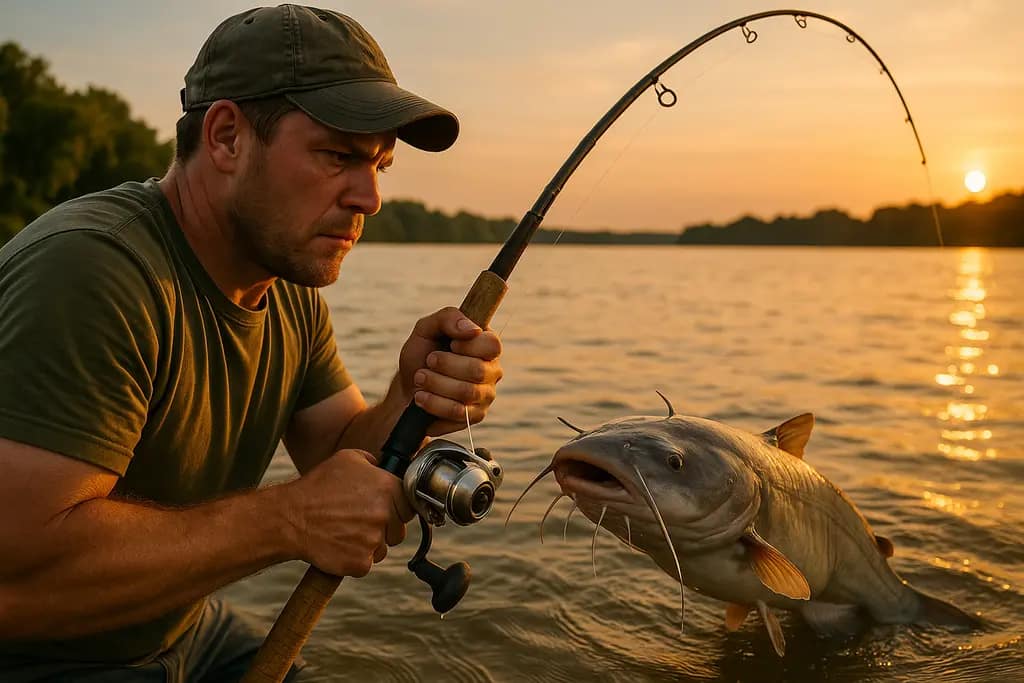
Big catfish demand equipment with backbone. The tournament research points to heavy-duty rods and reels capable of handling large catfish that can weigh over 50 pounds. That does not mean every angler needs the stiffest rod on the rack, but it does mean your rod should control a heavy fish in current, your reel should hold enough strong line, and your drag should operate smoothly under load.
King Kat Gear Rod And Reel Setup
Your King Kat gear rod-and-reel plan should start with consistency. If you run several rods, match them closely enough that you know how each one loads, how much pressure each drag can take, and how the rod holder angle affects the strike. A big catfish in the Mississippi River may hit hard, load the rod, then use current to its advantage. A balanced heavy setup gives you time to react without turning the fight into a wrestling match with underpowered tackle.
Set your reels before the first bait hits the water. Pull line against the drag by hand and check for jerky release. A drag that sticks can lead to pulled hooks or broken line. A drag that is too loose can let a fish gain distance in heavy current. The goal is controlled pressure, not panic pressure.
Line Leaders And Circle Hooks
The research recommends high-strength monofilament or braided line with a minimum test strength of 30 to 50 pounds. That range gives anglers a practical starting point for big catfish while still allowing room for personal preference. Braided line can offer strength and sensitivity, while monofilament brings stretch that some anglers like during surging fights. Either way, inspect the first several feet of line often, especially after contact with rough structure, boat hardware, or a fish’s mouth.
Circle hooks in sizes 5/0 to 10/0 are recommended for effective hooksets and to reduce harm to fish. With circle hooks, resist the bass-fishing hookset. Let the rod load, begin steady pressure, and allow the hook design to work. That patient move feels strange if you are used to swinging hard, but it is one of the best habits a tournament catfish angler can train before event weekend.
Bait Handling For Mississippi River Big Cats
Fresh cut bait, including shad or skipjack herring, is highly effective for attracting large catfish. Freshness is the practical word here. Big catfish feed by using scent and natural presentation, so bait that is properly kept and cleanly cut gives you a stronger starting point than bait that has been neglected in the heat.
Fresh Cut Bait Preparation
Cut bait should be prepared so it stays on the hook and presents a clean scent trail. Do not overcomplicate it. Keep bait chilled until you need it, cut pieces to suit your hook size, and replace washed-out baits instead of soaking the same tired chunk all day. If shad or skipjack herring are part of your plan, pack enough cutting tools, bait storage, and cleanup supplies to keep the deck safe and efficient.
This is where boat discipline helps. Keep bait separate from paperwork, gloves, phones, and measuring tools. A tournament cockpit can turn messy fast, and messy turns into slow. Slow is expensive when a fish is ready for the net or when you need to reset a spread quickly.
Rod Holders And Bite Management
Sturdy rod holders are listed as necessary for securing rods during long waits and sudden strikes. That is not a small detail. Big cats can hit with enough force to test loose mounts, weak clamps, and casual rod placement. Check each holder before the event, tighten hardware, and make sure the rod can be removed smoothly under load.
Good rod-holder layout also helps your crew read bites. Keep angles consistent, leave enough room to move between rods, and avoid crossing lines unless your drift or anchor setup demands it. A clean spread turns a strike into a team response instead of a deck drill with everyone reaching at once.
Landing Measuring And Fish Care
A large, durable landing net with a wide hoop and deep bag is necessary for safely landing big catfish. This is one of those items anglers sometimes underbuy. A net that works fine for small fish can become a liability around a tournament fish. The hoop needs to clear the fish, the bag needs depth, and the handle needs enough strength for a controlled scoop beside the boat.
Net Work And Glove Use
Plan who nets the fish before the bite happens. The angler should lead the fish; the net person should avoid stabbing at it. Move the net through the water and scoop once the fish is ready. Fish handling gloves are recommended because they help protect hands from sharp fins and provide a better grip. Gloves also give the crew more confidence when lifting, measuring, or transferring fish.
Use gloves as a handling aid, not as an excuse to rush. Keep fish low over the deck when possible, support heavy fish carefully, and avoid unnecessary time out of water if the fish must stay alive for weigh-in requirements. If your event instructions specify live fish care standards, follow those rules exactly.
Scales Tapes Livewells And Coolers
Accurate scales and measuring tapes are required for recording catches, especially in tournaments with size and weight categories. Pack them where they can be reached quickly. Test digital scales before leaving home, bring fresh power if needed, and make sure measuring tapes are readable after getting wet.
A properly aerated livewell or a large cooler with ice is necessary to keep your catch alive or fresh until weigh-in. Which one you use should match the tournament rules and your boat setup. A livewell needs dependable aeration. A cooler needs enough space and ice. Either option should be ready before lines go in, not improvised after the first good fish.
Memphis Safety And King Kat Gear Checks

Safety gear belongs in the same conversation as rods and bait. The research calls for life jackets, a first aid kit, and a fully charged mobile phone for emergencies. On a major river near Memphis, those items are basic preparation, not extras. The U.S. Coast Guard boating safety program is a sound reference for safe boating practices, and anglers should check all required safety equipment before launch.
Navigation Weather And Communication
GPS units and marine radios are listed as crucial for navigation and staying informed about weather conditions. A phone is useful, but it should not be your only plan. Charge devices, protect them from water, and make sure someone on the boat knows how to use the GPS and radio. For weather awareness, official forecasts from the National Weather Service are a reliable planning source before and during the tournament window.
Do not wait for rough weather to test communication gear. Turn on the radio, check volume, confirm channels you expect to monitor, and keep chargers or backup power within reach. On tournament morning, simple checks beat ramp-side scrambling.
Permits Licenses And Registration Documents
Tournament documentation should travel in a dry, organized place. Carry necessary permits, fishing licenses, and tournament registration documents so you can comply with regulations. Because the event is near Memphis, anglers should verify license requirements through official state resources, including the Tennessee Wildlife Resources Agency, and confirm whether any other jurisdictional rules apply to the specific water being fished.
- Pack heavy-duty rods and reels, 30- to 50-pound line, circle hooks from 5/0 to 10/0, and fresh cut bait such as shad or skipjack herring.
- Stage rod holders, a wide-hoop landing net, fish handling gloves, scales, measuring tape, and a ready livewell or cooler.
- Carry life jackets, first aid, charged phone, GPS, marine radio, permits, licenses, and tournament registration documents.
What This Means For King Kat Gear Planning
The best King Kat gear plan is not just a pile of tackle. It is a system. Heavy rods and reels help you fight fish. Strong line and circle hooks help you stay connected. Fresh cut bait helps you draw bites. A reliable net, gloves, measuring gear, and fish-care setup help you handle the catch properly. Safety equipment, communication devices, and paperwork keep your tournament day from being derailed by preventable problems.
Lay everything out at home, then walk through the day from launch to weigh-in. Ask what you need before the first bait, during the strike, at the net, during measurement, and at check-in. That simple run-through exposes missing tools fast. For a tournament on the Mississippi River near Memphis, preparation is part of the sport. Bring the gear, know where it is, and let your crew fish with confidence.


