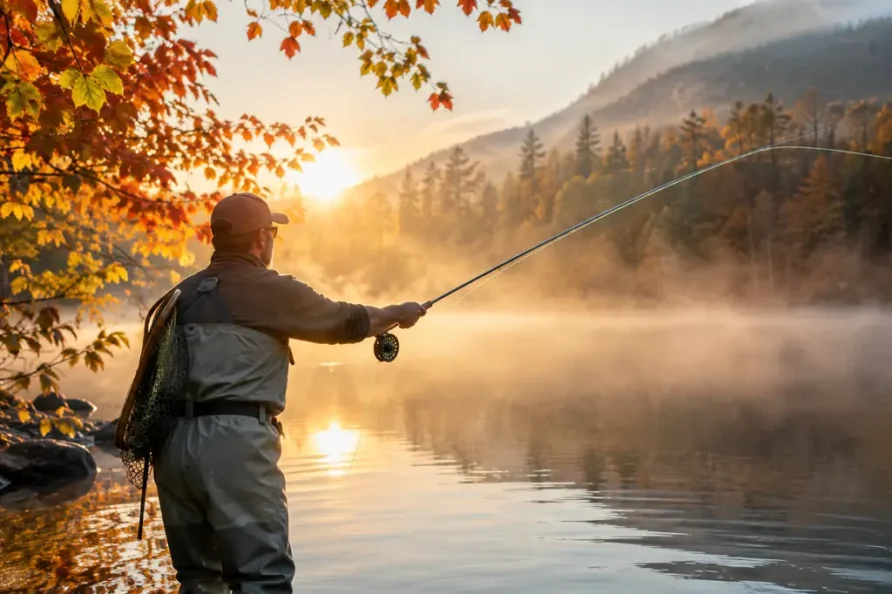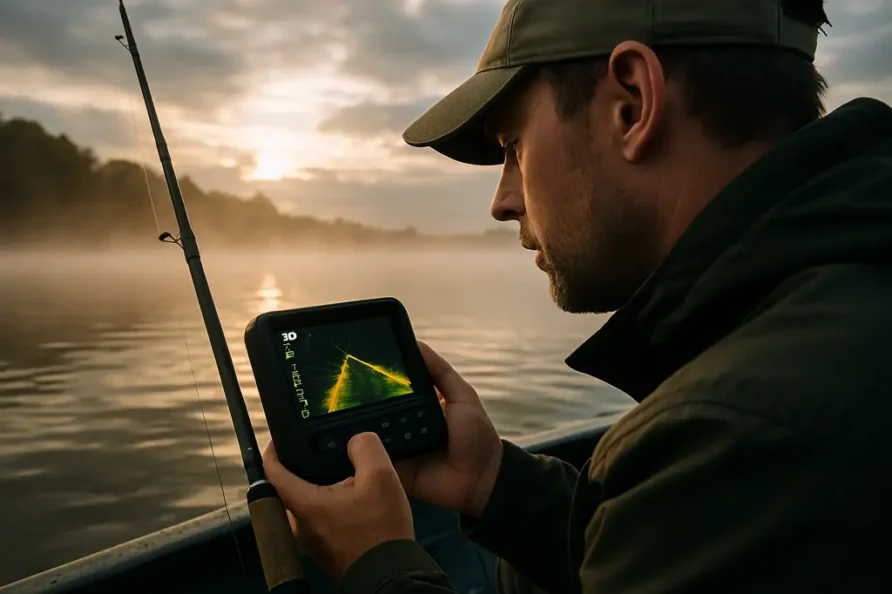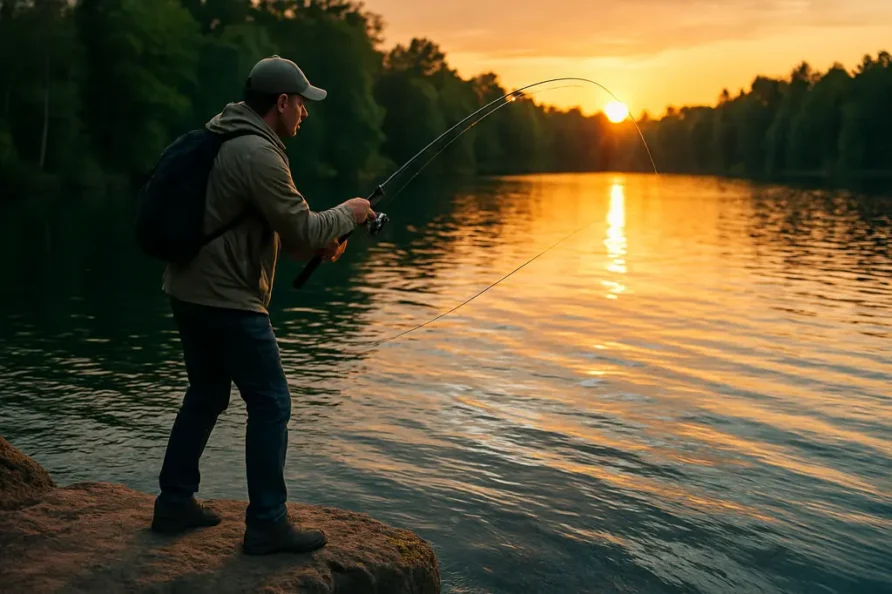
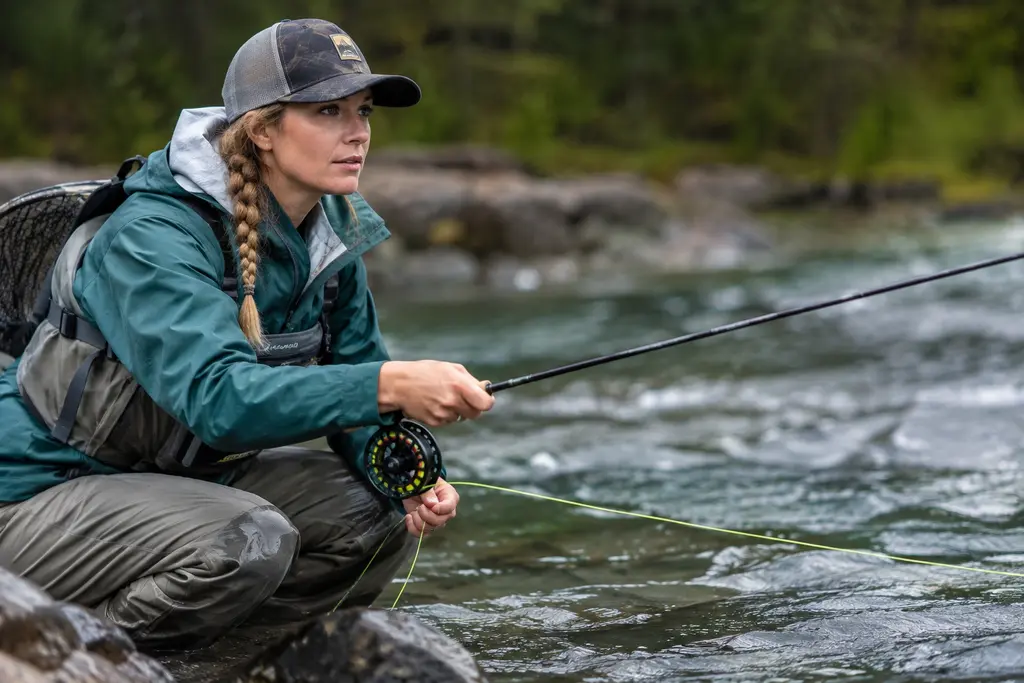
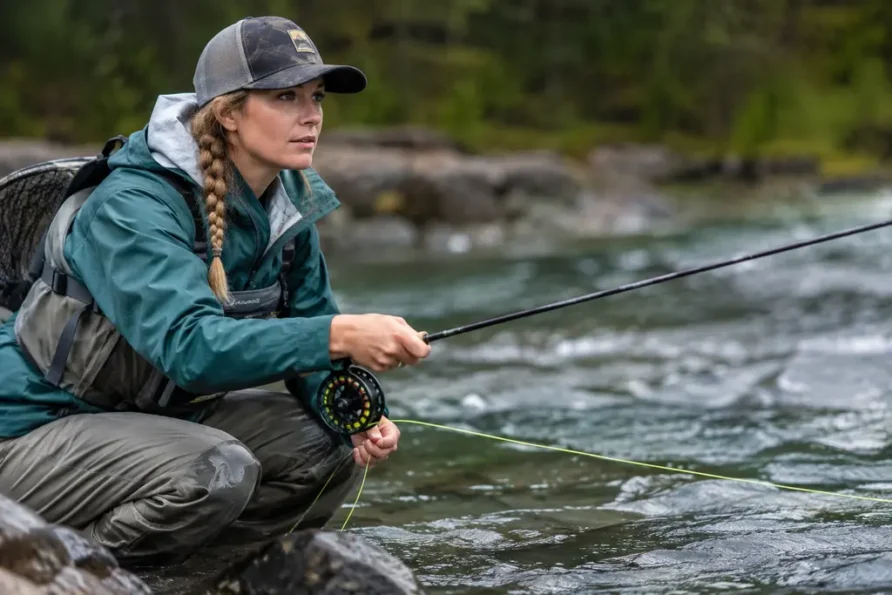
Casting techniques matter most when the weather refuses to behave. Wind, rain, heat, rising water, and stained runoff all change how your lure or fly travels, how fish position, and how much time they need before committing. The angler who adjusts angle, trajectory, retrieve speed, and target selection gets more real chances than the angler who keeps firing the same cast into a different set of conditions.
I like to think of environmental change as a coaching signal from the water. Wind tells you to control the loop and protect your body. Rain tells you to read clarity seams and inflows. Heat tells you to aim at shade, depth, and better-oxygenated water. None of that requires guesswork. It requires a repeatable plan and enough practice to make the adjustment before the fish window closes.
Casting Techniques For Wind Control
Wind exposes sloppy mechanics fast. A cast that looks fine in calm air can collapse, balloon, or sweep back toward your hat when the breeze stiffens. The answer is not always more force. Most of the time, it is a cleaner path, a safer casting side, and a lower delivery that keeps the lure or fly under control.
Casting Techniques When Wind Hits Your Shoulder
When wind blows into your casting shoulder, shift the cast away from your body. Crossbody casts, back casts, or using the non-dominant hand can move the fly away from you and reduce the chance of hooking yourself, a safety point explained by On The Water. That is not just a fly-fishing trick. The same body-position idea helps lure anglers keep treble hooks, jigs, and weighted rigs from being blown across their line of sight.
Good casting techniques in side wind start before the rod loads. Turn your feet so the wind carries the presentation away from your torso. Shorten the stroke if the line or lure is wandering. If you are fishing from a boat, ask whether a small position change creates a safer casting lane before you blame the rod or bait.
Low Forward Casts In A Headwind
In a headwind, the research points to a high back cast followed by a low forward cast so the line cuts through the wind instead of hanging in it. Keep the forward trajectory low and purposeful. A wide, lazy loop acts like a little parachute. A tighter loop with higher line speed gives the wind less material to grab.
For conventional gear, the same principle applies. Keep the rod tip moving on a direct line toward the target, avoid towering casts, and finish lower than you would on a calm day. If accuracy drops, shorten the cast. Tournament anglers and weekend bank anglers both catch more by landing within a useful strike zone than by proving they can throw far into a gust.
Rain, Stain, And Retrieval Adjustments
Rain changes two things that matter right away: water movement and visibility. After heavy rain, inflows may carry bait, sediment, and cooler water into a lake, pond, or river arm. Fish do not always sit in the muddiest water. They often use the edge, where food passes but visibility remains workable.
Target The Clean Edge After Rain
After a heavy rain event of about an inch or more, the research notes point anglers toward the edge of stained or muddy inflows and the first strip of clearer water below the inflow. That makes practical sense: bait gets moved by current, while predators still need enough visibility to track and strike.
Make your first casts parallel to the seam rather than straight across it. A bait pulled along the line between dirty and clearer water stays in the strike lane longer. If you cast directly across the seam, your lure may spend only a second or two where fish can both sense it and see it. Keep the rod tip low enough to maintain contact, especially if runoff current pushes a bow into the line.
Slow Down In Cold Or Rising Water
Cold post-rain water and rising water levels can make fish less willing to chase. Slow the retrieve and build in pauses of at least two to three seconds. A hop-and-pause retrieve works well because it gives fish a target that moves, stops, and remains catchable. With soft plastics, small jigs, or flies, a dead-drift style can look natural in moving water.
Light to moderate rain can work in your favor because lower light and surface disturbance may reduce spooking. That is the time to test a slightly more assertive presentation, including topwater or a bait with extra vibration, as long as the water clarity supports it. If the water turns muddy, pick profiles fish can locate: spinnerbaits, chatter-style bladed jigs, and loud blade lures all match the research guidance for low-visibility situations.
Heat, Sun, And Cover-Based Casting
Hot, bright conditions push the game away from easy open-water targets. Fish may settle deeper, tighter to shade, or in areas with better oxygen. The Missouri Department of Conservation teaching material notes that on hot, sunny days fish retreat to deeper, shaded, or well-oxygenated water, and anglers should focus deeper lures, slower retrieves, and casts near shade or structure MDC instructor guide.
Shade Lines And Oxygen Clues
Shade is not just comfort cover. It creates a visual edge where predators can hold darker and ambush brighter water. Docks, overhanging trees, bridge shade, cut banks, grass edges, and anchored boats can all create small target zones. Cast past the shade line and bring the lure into it, rather than landing directly on top of a fish that may already be wary in clear light.
On hot days, slow does not mean lifeless. It means controlled. Let a jig fall beside a piling. Crawl a worm through the darker side of a laydown. Count a crankbait down before starting the retrieve. If the first cast only bumps cover, the second cast should change angle, depth, or speed instead of simply repeating the miss.
Presentation Choices When Visibility Drops
Low clarity asks for presence. High-contrast colors, vibration, and louder profiles help fish detect the bait when sight is limited. In clearer water under heavy sun, the reverse can be true: a smaller profile and cleaner entry may keep fish from flaring away. That is why your tackle tray should not be organized only by species. Organize it by water clarity, light level, and retrieve depth.
This is where disciplined casting techniques separate steady anglers from random casters. The cast must land where the fish can detect the bait, and the retrieve must give that fish enough time to decide. If visibility is low, put the bait close to the target. If visibility is high and the fish are spooky, land beyond the target and bring the lure into view naturally.
Practice Plan For Changing Conditions
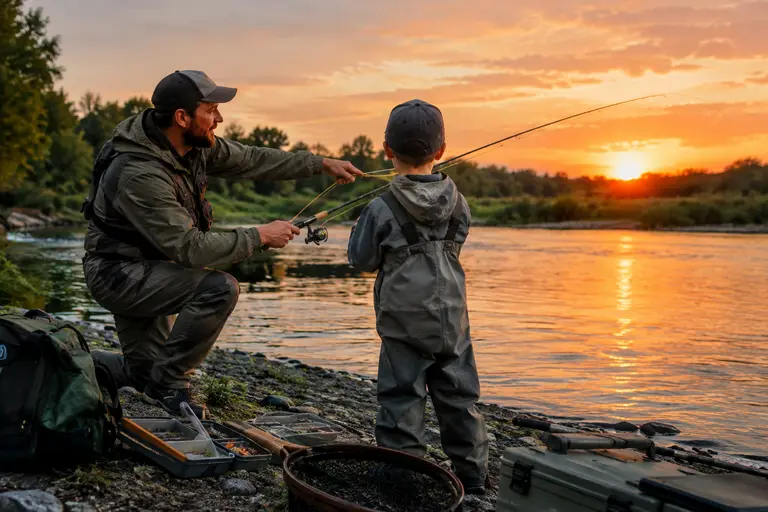
Practice should feel like a small tournament against the weather. Do not wait for perfect air, perfect light, and perfect water. Use imperfect conditions as training partners. If you want more detail on stance and target planning, the site’s piece on casting and positioning pairs well with this approach.
Three-Drill Rotation
Run these drills from shore, a dock, or a safe open area before you need them on fish. Keep the sessions short and focused so the lesson sticks.
- Wind-side safety drill: Cast with the wind on your casting shoulder, then switch to a back cast, crossbody cast, or non-dominant hand delivery. The goal is a safe lane, not distance.
- Low-trajectory drill: Pick a target at comfortable range and deliver ten low forward casts into a headwind. Count only casts that land with control.
- Seam retrieve drill: Use a visible current line, weed edge, shade edge, or imaginary lane. Cast parallel to it and keep the lure in the zone for as long as possible.
Log The Misses, Not Just The Fish
A simple notebook can sharpen decisions faster than another lure purchase. Record wind direction, water clarity, rain timing, sun angle, target type, lure style, retrieve speed, and where bites or follows happened. The best entry is not always the biggest fish. Sometimes the best entry is, “Fish followed only when the bait paused beside the shade line.” That single note tells you what to repeat.
Watch your misses with a coach’s eye. Did the cast land too hard? Did the wind bow the line? Did the lure leave the strike zone too quickly? Did a muddy inflow push you to fish too far from the clean edge? Each answer gives you a correction for the next cast.
Why Casting Techniques Matter During Environmental Changes
Environmental shifts do not ruin a fishing day; they change the assignment. Wind asks for safer angles and tighter control. Rain asks for clarity seams and slower decisions. Heat asks for shade, depth, and patience. The more you practice your casting techniques against those changes, the less you depend on luck.
Start with one adjustment per trip. If the wind is the biggest factor, commit to safer body angles and low forward casts. If rain has stained the water, work the clean edge and slow the pause. If the sun is high and hot, aim at shade and let the bait stay near cover. Fish respond to conditions every minute. Your cast should, too.