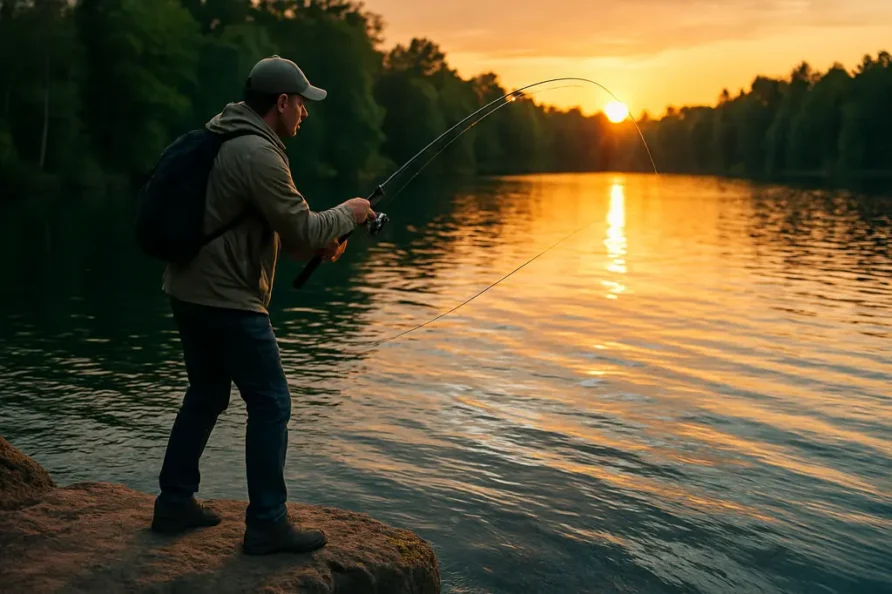
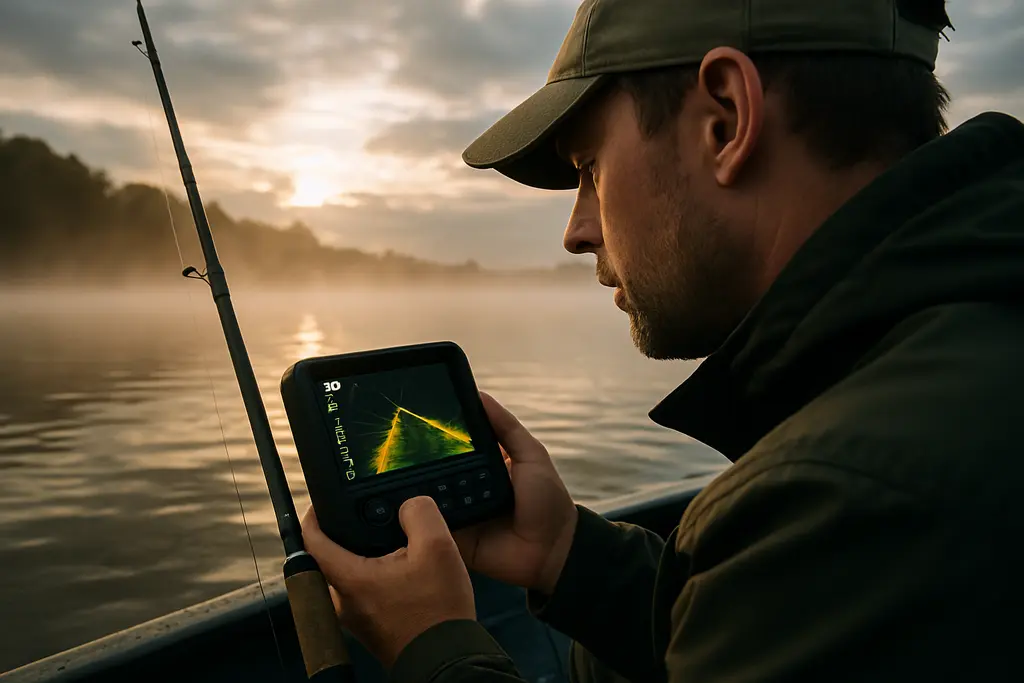
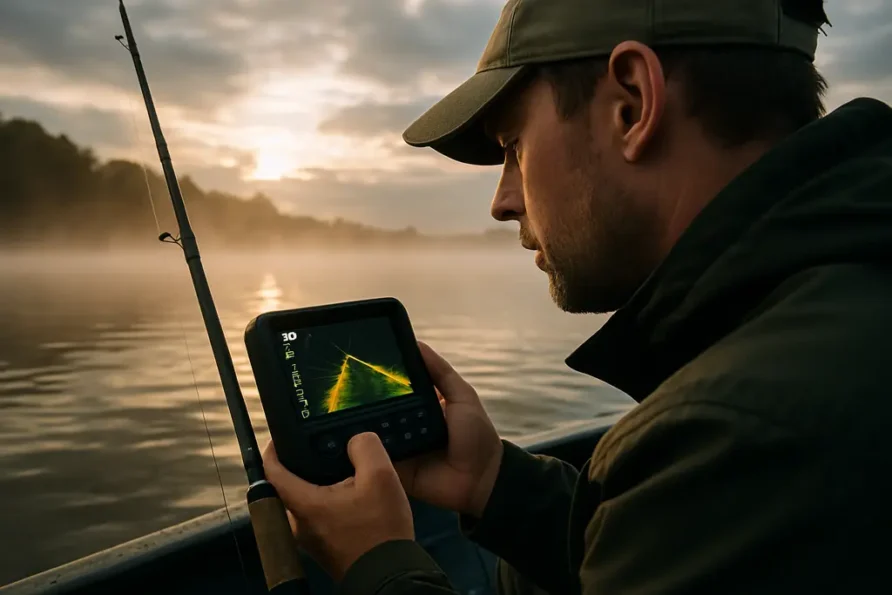
The best anglers I watch do not treat live-imaging sonar like a magic fish button. They treat it like a practice partner that exposes sloppy casts, rushed retrieves, and poor boat position. That is the right mindset for the Casting & Retrieval Techniques crowd: use the screen to test decisions, then make sharper presentations when the fish tells you what it will tolerate.
Recent research gives us a useful guardrail. A multifishery black bass tournament analysis published on September 2, 2026, found that the strongest catch-rate benefits appeared mainly in water deeper than about 9 feet and in fisheries with low structural habitat complexity; the benefit was limited in shallow or structurally complex habitat black bass tournament analysis. That does not mean you should stare at a screen all day. It means you should match the tool to the water in front of you.
Build Better Casts With live-imaging sonar
A clean cast starts before the rod loads. Set your trolling motor angle, point the transducer where your lure will enter, and pick a target lane instead of just firing toward a mark. If the fish is suspended, your first goal is not distance. Your first goal is depth control, because a lure that passes five feet over or under an inactive fish is just a polite wave.
I like a three-cast test for practice. First, cast short and watch how the lure falls. Second, cast past the fish and bring the bait through the target lane. Third, cast at a slight cross-angle and compare how long the lure stays in the strike zone. Keep the cast that gives you the longest clean look without spooking the fish or dragging the lure out of range too fast.
Why Depth And Cover Change The Math
Deep, open water rewards angle control. Fish have more room to slide, rise, or sink, so the cast has to meet them where they are moving, not where they were ten seconds ago. In heavy cover, the screen may show fish, but limbs, brush, grass, docks, or rock edges can block the clean path your lure needs. That is where old-school casting accuracy still wins.
For bass, crappie, or open-water predators, start with a lure you can track. A jig, swimbait, spoon, dropshot, or minnow-style bait gives you feedback because you can see how quickly it sinks and how fish react. Once you know the lane, you can swap to a less visible or more subtle option if the fish follows but refuses.
live-imaging sonar Casting Checkpoints
Treat live-imaging sonar as a casting coach. After each cast, ask four questions: did the lure enter on line, did it sink to the right depth, did the retrieve speed keep it near the fish, and did the fish move toward, away from, or parallel to the bait? That simple review turns random screen-watching into skill building.
If the lure is consistently too high, count it down longer or use a heavier head. If it is too low, raise the rod tip, slow the fall, or switch to a lighter presentation. If fish follow but fade, reduce retrieve speed or add longer pauses. If fish bolt as soon as the lure lands, cast past them, soften the entry, or approach from a wider boat angle.
Read Fish Behavior Before You Cast
The screen is most useful when it helps you read mood. A fish that rises toward a bait is giving you a different message than a fish that sinks away. A tight group that scatters may be pressured or startled. A single fish that tracks but never closes may need a speed change, a smaller profile, or a different angle.
Watch The Fish, Not Just The Dot
Beginners often chase the brightest mark. Better anglers watch movement. If a fish turns quickly toward the lure, keep the bait moving just enough to look alive. If it trails slowly, add a pause, then start again with a short pull. If it drops below the lure, let the bait fall slightly before restarting. Your rod tip should respond to the fish, not to panic.
Give every fish a short decision window. If it does not commit after a few clean looks, move on or change the lure. Stubborn casting at one uninterested mark steals time from fish that are positioned better and ready to react.
Match Retrieve Changes To Fish Response
Use a simple retrieve ladder. Start steady so you can read the fish. Then test pause-and-go. Then try a short acceleration. Last, try a drop or glide if your lure allows it. Do not change all four variables at once. Change one thing, watch the response, and file the result for the next fish.
This matters during tournaments and regular sport-fishing trips alike. If three fish reject a fast retrieve but follow a slower one, your pattern may be telling you more than your favorite lure ever will. For a bass-specific planning angle, the same discipline pairs well with black bass sonar tactics built around map work and backup skills.
Set Limits Before live-imaging sonar Takes Over
A smart live-imaging sonar plan includes a timer. Research on recreational anglers has shown that expectations for imaging technology do not always match actual catches, and trip satisfaction was not reliably higher just because anglers used imaging tools recreational angling technology study. That is a big hint: the screen can help, but it can also tempt you into searching more than fishing.
Keep Search Time On A Clock
Set a rule before launching. For example, spend ten minutes scanning a point, flat, channel swing, or brush edge. If you do not see fish behavior worth casting at, leave. If you do see fish, spend another ten minutes testing angles and retrieves. If the fish will not respond, mark the spot and rotate.
This protects your day from the biggest tech trap: watching instead of presenting. A fish on screen is not a caught fish. You still need boat control, casting rhythm, quiet movement, and a lure that reaches the right depth.
Practice Plan For Casting And Retrieval
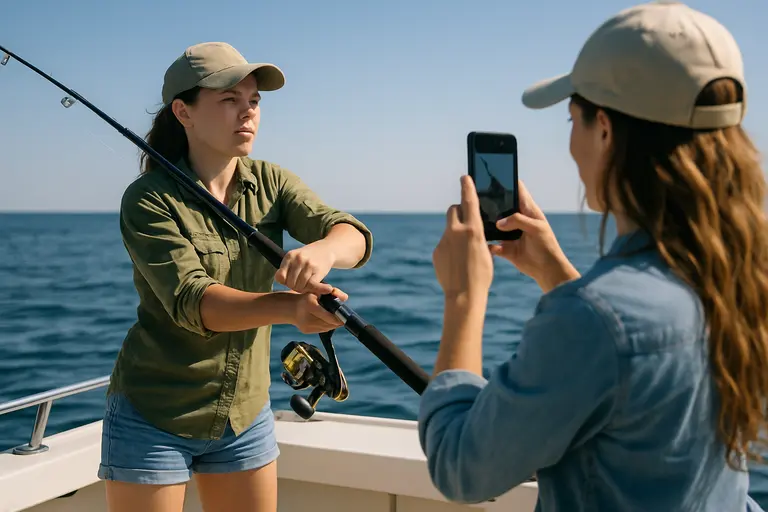
Skill grows fastest when each trip has a small assignment. Do not try to master every menu, mount angle, lure, and retrieve in one morning. Pick one water type and one presentation, then measure whether your casts are getting cleaner.
No-Screen Reps Still Count
Turn the screen away for part of the trip. Cast to a buoy, weed edge, dock post, stump line, or shade seam. Count the lure down and call your depth before checking. Then look back at the sonar and see if your estimate was close. This keeps your instincts sharp and prevents the unit from becoming a crutch.
Here is a practical drill set I use with anglers who want better catch rates without losing their feel for the water:
- Ten-cast depth drill: Use the same lure and count each fall. Note how wind, line bow, and rod angle change the sink path.
- Three-angle target drill: Cast straight, crosswind, and past the mark. Keep the angle that holds the lure near the fish longest.
- Retrieve response drill: Test steady, pause, speed-up, and drop. Change only one retrieve cue per cast.
- Screen-off finish: Spend the last 20 minutes fishing visible structure or map-selected spots without watching the display.
These drills sound simple because they are. The payoff is that your hands learn what the screen has been showing you. That is where technology becomes training instead of distraction.
Why live-imaging sonar Skills Matter On The Water
Better electronics do not replace water sense. They reveal whether your water sense is accurate. If the fish are deep and roaming, the unit can help you line up cleaner casts and adjust retrieves with real feedback. If the fish are buried in shallow cover, you may be better served by pitching, flipping, skipping, or fan casting with confidence.
The strongest anglers will be the ones who can do both. They can read a screen, but they can also read wind, bait movement, shade, current, and pressure. Build your trips around that balance. Use the unit to learn how fish react, then carry those lessons into every cast you make, with or without the screen glowing at your feet.