Fish Behavior Changes are no longer a vague dock-talk excuse for a slow bite. Recent conservation findings point to measurable shifts in fish abundance, biomass, and species mix across marine and freshwater systems. For sport anglers, that means the old pattern book still matters, but it needs fresh notes: water temperature, range edge, stream type, and short-term heat events can all change where fish show up and how confidently you should fish a spot.
I read these reports with a rod-and-reel mindset. The science does not hand us a magic lure, and it does not promise that every warm day will move fish the same way. What it does give us is a sharper scouting lens. If a population is near the warm edge of its range, warming can be a warning sign. If a river has shifted toward warmer conditions, abundance may rise for some fish while unique species decline. That is a practical clue: fish the water in front of you, but keep asking whether that water still supports the same community you remember from five or ten seasons back.
Why Fish Behavior Changes Matter To Anglers
Anglers love patterns because patterns shorten the hunt. Conservation data reminds us that patterns can expire. A lake arm, stream reach, or coastal flat can still look familiar while the fish using it have changed. That is why your first cast should not be your first observation. Watch bait activity, check water temperature, note current, and compare today with your last trip instead of relying on a favorite memory.
Read Fish Behavior Changes Before You Cast
The best adjustment starts before the lure hits water. Use the first ten minutes to make a quiet survey. If the surface is lifeless in a reach that usually shows feeding activity, do not keep pounding it out of habit. Slide to a temperature break, shaded bank, deeper seam, tributary mouth, or current edge. Those moves are not guesses; they are ways to test whether fish have shifted with conditions.
For catfish anglers, bass anglers, and inshore crews alike, the habit is the same: build a small decision tree. If the warm bank is empty, test the cooler side. If shallow cover is quiet, probe the first depth change. If the usual bait zone is missing, keep moving until you contact life. A conservation report does not replace time on the water, but it can stop you from treating yesterday’s fish like today’s fish.
Marine Warming Signals For Trip Planning
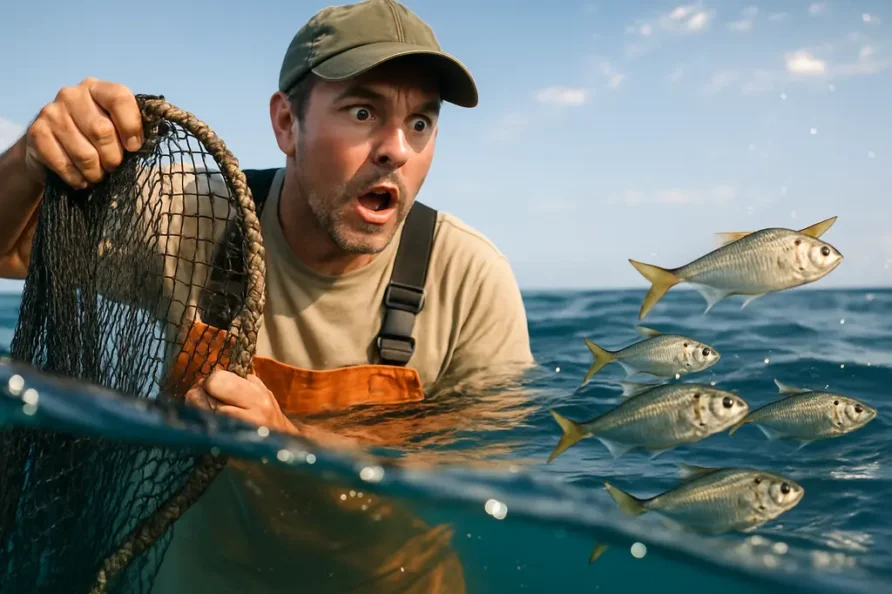
A 2026 global study examined 1,566 marine fish species across 33,990 populations from 1993 through 2021. It found that long-term ocean warming was linked with biomass declines of up to 19.8% annually in populations at the warm edge of their ranges, while marine heatwaves were linked with gains up to 176% at the cold edge and losses up to 43.4% at the warm edge, according to the global marine fish study. That is a big signal for anglers who plan trips around seasonal movements.
Warm-Edge Populations Need A Different Plan
If your target species is already living near the warm side of its comfort zone, treat heat as a trip-planning factor, not background noise. That does not mean canceling every hot-weather outing. It means choosing your windows with discipline. Fish earlier or later in the day when conditions may be less punishing, start near access to deeper water, and be ready to leave a historically strong area if bait and strikes do not confirm the plan.
This is where logbooks beat stubbornness. Write down the date, location, surface temperature if you have it, depth, water clarity, tide or flow, and catch result. Over several trips, your own notes will show whether a once-reliable zone is fading during warm periods. Pair that with regional conservation findings, and you have a better reason to test new water instead of donating lures to old brush piles.
Heatwaves Reward Mobility
The heatwave finding is especially useful because it shows that short events can shift biomass in different directions depending on range position. For anglers, the practical move is mobility. Do not assume a heatwave only shuts fish down. In some areas, fish at the cooler edge of a range may become more available, while warm-edge fish may slide, scatter, or thin out. The smart crew builds a milk run with several habitat types rather than betting the whole day on one waypoint.
Pack gear that lets you cover water without losing control. Keep one setup for searching, one for slower presentations, and one for depth changes. If you mark bait but cannot draw strikes, change speed before changing location. If neither bait nor strikes show up, move. That rhythm keeps you responsive without turning the day into random running.
River Temperature Clues For Freshwater Tactics
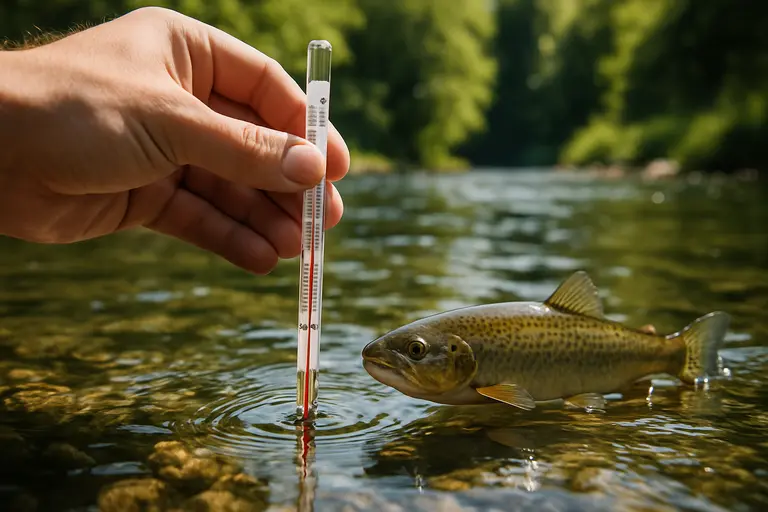
Freshwater anglers should pay close attention to stream temperature categories. A U.S. study covering 1993 through 2019 used 2,992 sites and 389 species. In cold streams with summer temperatures below 15.4 degrees C, fish abundance fell 53.4% and species richness fell 32%. In warm streams above 23.8 degrees C, abundance rose 70.5% and richness rose 15.6%, while unique species declined in warm streams, according to the USGS stream assessment.
Cold Streams Call For Caution
Those cold-stream numbers should make anglers slow down and scout harder. If you fish trout water, headwater creeks, or cool tributaries, do not assume low catch rates are only a presentation problem. The fish community itself may be reduced in some systems. That calls for lighter pressure on fragile reaches, careful handling, and a willingness to rotate spots rather than leaning on the same pool every trip.
Your field tactic is simple: look for signs of life before committing. In clear water, glass the pool from a distance. In stained water, make a few controlled casts that cover current seams and depth changes. If nothing responds and you see little bait or surface activity, move rather than grinding the same water. You will learn more, and you will spread your effort across the system.
Warm Streams Still Need Careful Reading
Warm streams showing higher abundance do not automatically mean easy fishing. The same research noted that unique species declined in warm streams. That detail matters because more fish does not always mean the same fish. Your target may be less common even if total activity looks strong. If your goal is a specific sport fish, confirm it with catches, follows, sonar marks, or local creel observations where available.
In warm rivers, I like a step-down approach. Start by covering active water near current breaks, then test shade, undercut banks, deeper outside bends, and structure that offers relief from heavy flow. If small fish dominate, increase bait size or lure profile only after you confirm larger fish are present. If species composition has changed, a bigger bait may not solve the problem; a location shift may be the better call.
Turn Fish Behavior Changes Into Better Decisions
Fish Behavior Changes become useful only when you turn them into repeatable decisions. The conservation findings tell us that warming can reduce biomass at warm range edges, heatwaves can shift marine populations in different directions, and stream communities can split sharply between cold and warm systems. Your job as an angler is to translate those signals into timing, location, and presentation choices.
- Record water temperature, depth, clarity, flow, and catch result after every trip.
- Compare current results with older notes instead of relying on memory alone.
- Build trip routes with shallow, deep, shaded, and moving-water options.
- Move sooner when bait, strikes, and visible fish do not support your first plan.
- Use conservation findings as scouting clues, then let direct observation decide the next cast.
If you want a connected tactics angle, pair these notes with smarter fishing tactics that adjust timing, depth, light, and lure action. The winning habit is not chasing every new theory. It is asking better questions on the water: Is this spot still holding the right fish? Has temperature changed the best window? Are the fish telling me to slow down, slide deeper, or move entirely?
That is where Fish Behavior Changes help you fish with confidence instead of nostalgia. The report data gives the warning lights. Your rod, sonar, eyes, and logbook confirm the move. Keep that feedback loop tight, and you will adapt faster than the angler who keeps casting at a past version of the river, lake, or coast.