

As of October 17, 2026, ecosystem health has become a practical planning issue for anglers, not just a policy phrase tossed around in agency meetings. NOAA’s recent fishing actions show how gear rules, stock science, area closures, and habitat protection can shape where fish hold, how fleets work around structure, and how sport anglers should plan each trip with sharper attention to rules and fish behavior.
Ecosystem Health Signals In NOAA Rulemaking
NOAA’s recent actions point to a clear pattern: fisheries management is being tied more closely to habitat, protected species, stock status, and fishing access. That matters on the water because fish do not respond to regulations directly; they respond to the conditions those regulations are meant to protect or adjust. Less gear in the water column, modified access to fishing grounds, and revised catch limits can all affect pressure around structure, bait movement, and the amount of boat traffic near productive zones.
Why Ecosystem Health Shows Up In Gear Rules
For anglers, ecosystem health shows up first as habitat quality and predictable fish behavior. A reef edge, canyon lip, grass flat, or rocky bottom can fish very differently after pressure shifts. If commercial effort moves away from one area and concentrates in another, sport anglers may see changes in bycatch risk, boat traffic, or fish that have become more cautious around heavily worked bottom.
NOAA’s October 13, 2026 final rule for West Coast groundfish allowed commercial vessels using bottom longline and pot gears to use one vertical line instead of two, with the goal of reducing marine animal entanglements, and it required color-coded gear markings on ropes and buoys under the NOAA gear-marking final rule. The single-line allowance took effect when the rule was published, while most gear-marking components were set to take effect on January 11, 2027.
What The October 13 Rule Means On The Water
The direct rule applies to commercial vessels using specific gear, but sport anglers can still learn from it. Gear marking means there should be clearer identification of commercial gear in the water. That does not give recreational anglers permission to crowd working gear, but it can help with awareness and safer route choices. If you see marked buoys or lines, give them room, avoid casting across nearby rope, and think about how fish may relate to that structure without risking snagged tackle or conflict.
One vertical line instead of two may reduce the amount of line extending through the water column in affected groundfish sets. For sport anglers, the useful lesson is simple: water-column clutter matters. Fish, marine mammals, and drifting tackle all interact with vertical structure. When you plan a drift, especially near bottom structure, keep your own rig clean and controlled. Shorter leaders, heavier sinkers when current demands them, and faster reset discipline can reduce tangles and keep your bait in the strike zone.
Fish Behavior Clues For Anglers
Fish behavior is not random. It is shaped by temperature, oxygen, salinity, forage, depth, light, structure, and fishing pressure. NOAA’s recent proposals and final actions do not replace time on the water, but they can help you decide where to spend that time. A regulation that reviews closures, stock science, or quota allocations may signal changing understanding of fish abundance or habitat use.
Pressure, Habitat, And Feeding Windows
When access rules change, pressure often shifts. If an area opens to one type of commercial fishing while other bottom-tending gear remains restricted, anglers should avoid assuming every habitat type will be affected the same way. Pelagic species may respond more to bait and current. Bottom-oriented fish may respond more to relief, substrate, and repeated disturbance. Treat each regulation as a clue, then test it against your logbook.
A smart logbook entry should connect catch results to conditions. Record tide stage, water temperature if available, depth, bottom type, bait presence, moon phase, wind direction, and nearby fishing activity. The pattern you want is not “we caught three fish.” The pattern is “we caught three fish on the down-current side of hard bottom after bait stacked at 38 feet.” That type of note lets you respond when rules or fishing pressure shift across the same region.
Turn Regulations Into Trip Planning
Before launch, read the regulation like a map layer. It tells you where pressure may rise, where habitat is being protected, and where managers have new information about stock abundance. Then turn that into a fishing plan with backup water, not a one-spot gamble.
- Check the effective date. A rule published on one date may have another date for gear, tag, or closure requirements.
- Match your target to habitat. Groundfish, grouper, pelagic fish, and shallow-water species do not use the same structure in the same way.
- Watch effort shifts. If a closure changes, nearby open water can receive more traffic and more cautious fish.
- Rig for clean bottom contact. Use enough weight to stay vertical and reduce long sweeps across sensitive structure.
- Keep a second plan. If your first area is crowded, move to similar habitat with less pressure rather than forcing the bite.
Reading Regional Priorities Before You Launch

NOAA’s regional priorities announced on July 2, 2026 included reviews of management area closures, observer redundancy, science and management of certain fish stocks, and quota allocations; in the Pacific region, priorities included reviewing sardine science and observer program overlaps, according to NOAA regional priorities. Those subjects sound administrative, but each one can affect how pressure falls across the water.
Pacific Reviews And Stock Science
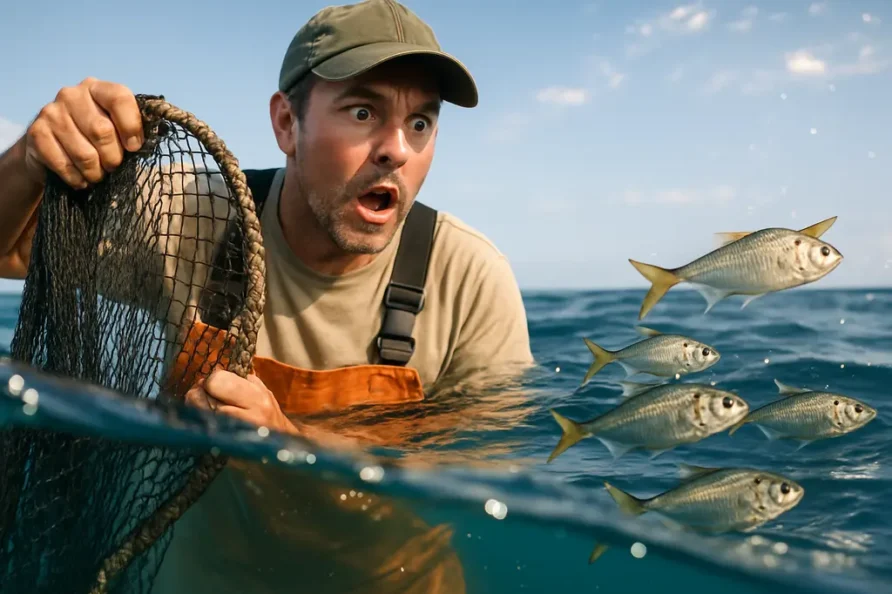
Sardine science matters far beyond sardine harvest. Sardines are forage, and forage availability can influence where predators feed. If science reviews adjust management assumptions, anglers should pay attention to bait schools, bird activity, sonar marks, and predator positioning. You do not need to be a policy analyst. You do need to notice when bait availability, current seams, and predator activity stop matching your old calendar.
Observer overlap reviews matter because data collection affects how managers understand fleet activity. Stronger understanding can lead to sharper decisions about effort, catch, and habitat. For recreational anglers, that reinforces the value of accurate personal records. Your logbook is your small-boat version of field data. It helps you avoid fishing memories that exaggerate the good days and erase the slow ones.
Why Catch Limits Can Move
The research notes also described 2026 NOAA actions that adjusted catch limits based on updated stock information, including an emergency action for three West Coast groundfish species and a Gulf of Mexico rule reducing limits in the Other Shallow-Water Grouper Complex. The lesson is not that limits only move one direction. They can rise or fall when scientific advice changes.
That uncertainty should make anglers more flexible. If a preferred species has tighter limits, shift your plan toward legal alternatives before you reach the ramp. If a stock assessment shows greater abundance for another target, study the habitat and legal gear options for that species rather than treating the change as a guaranteed bite. Fish still have to be found, approached, hooked, and landed cleanly.
For more trip-planning discipline around rule changes, this related breakdown of NOAA fishing regulations pairs well with a pre-launch checklist and a fresh look at local limits.
| Regulatory Signal | Fish Or Habitat Angle | Angler Move |
|---|---|---|
| Gear marking rule | More visible commercial gear locations | Give gear room and fish nearby structure without snagging lines |
| Closure review | Pressure may shift between open and restricted areas | Build backup spots with similar depth and bottom type |
| Stock science update | Abundance assumptions may change | Update target species plans before the trip |
Ecosystem Health Tactics For Smarter Fishing
Treat ecosystem health as a fishing condition, just like wind or tide. If habitat is stressed, pressure is high, or forage has shifted, yesterday’s productive cast line may be stale. The best anglers adjust without drama. They read the rule, read the water, and let fish behavior decide the next move.
Start each trip by asking three questions. What habitat am I fishing? What has changed in access, effort, or season structure? What are the fish likely doing because of those conditions? That mental check keeps you from running on autopilot. It also helps you fish cleaner, avoid conflicts with working gear, and protect the structure that holds the fish you want to catch later.
The practical edge is patience with purpose. Make your first drifts short and diagnostic. Change depth before changing lures. Watch bait before blaming the moon. If fish are present but not committing, shorten the presentation, slow the fall, or move to the edge of the pressure zone. NOAA’s proposals and final rules will keep affecting how fisheries are managed, but your catch rate still depends on how well you connect policy signals to fish behavior on the water.