Resilient Catfishing starts with reading water before reading your rod tip. On September 22, 2026, dead fish, including trophy-sized speckled sea trout and redfish, began washing up along shorelines at Guana Preserve in Ponte Vedra Beach, Florida, according to local reporting on the fish kill. That event did not report catfish as the main affected species, so we should not pretend it was a catfish-specific alert. Still, the behavior lesson for sport anglers is plain: water quality can change feeding windows, fish location, fish care decisions, and whether a trip should happen at all.
Catfish anglers are used to working stained water, current seams, warm backwaters, and low-light feeding periods. That confidence is useful, but it can turn into stubbornness if we ignore warning signs. A fish kill, nutrient-rich runoff concern, reduced flushing, or a sudden salinity and temperature surge should push us from “where are they biting?” to “is this water stable enough to fish responsibly?” Better anglers make that shift early. They protect the fishery first, then adjust tactics.
What The Alert Teaches Resilient Catfishing
The Guana Preserve alert points to a practical truth: fish behavior is not just about bait choice. It is also about oxygen, temperature, water exchange, salinity, clarity, and the load of nutrients or organic matter in the system. In a lake, lagoon, river arm, or canal-connected fishery, those conditions can change faster than an angler’s usual pattern book can keep up.
Resilient Catfishing Water Checks
A strong Resilient Catfishing plan starts before the first cast. Check for public notices, visible dead fish, slicks, heavy algae, strange odor, or unusually sluggish baitfish. If a spot looks stressed, do not build the day around “toughing it out.” Move to cleaner water, shorten the trip, or cancel. Tournament anglers should treat this like a venue condition call, not a personal inconvenience.
The research tied to Guana Lake gives anglers a useful framework. A scientific study covering October 2023 through October 2024 found that dam operations reducing freshwater input and tidal flow allowed nitrogen, especially organic and reduced forms, to accumulate during salinity and temperature surges, increasing eutrophication risk; the same study argued that better hydrological flushing could reduce nitrogen buildup in the system Guana Lake nitrogen study. For catfish anglers, the takeaway is not to overstate one study into a universal rule. The sound lesson is narrower and stronger: restricted water exchange can make a waterbody more sensitive during heat, salinity change, and nutrient loading.
Behavior Clues Worth Logging
Keep a trip log that tracks more than catch count. Write down water color, wind direction, recent rain, water movement, bait activity, fish depth, and whether bites came fast or soft. If you fish a dam-controlled lake, canal-fed pond, or backwater with limited exchange, pay extra attention after heat spikes or runoff events. Catfish may still feed in dirty water, but dirty water is not the same as stressed water.
Look for behavior mismatches. If you mark fish but cannot get a committed bite, if baitfish are pinned unusually shallow, or if larger fish seem absent from a historically steady area, water stress may be part of the answer. Do not treat every slow bite as a lure or bait failure. Sometimes the smartest adjustment is a location change toward moving water, better exchange, or a section with fewer warning signs.
Trip Planning Around Runoff And Restricted Flow
Stormwater runoff was a central concern in the Guana Preserve reporting, with environmentalists pointing to harmful stormwater pollutants and effluent entering the preserve and saying those inputs had risen sharply over six years. For anglers, that puts a bright marker on drains, canals, ponds, lawns, golf course outflows, and other pathways that can feed into a fishery. Those areas may concentrate bait on some days, but they can also carry water-quality risk after heavy rain or during stagnant periods.
Choose Water With Escape Routes
Catfish often position near edges: channel lips, current seams, timber, bridge shade, and deeper holes near feeding flats. After a runoff event, favor areas where fish can move between feeding zones and safer holding water. A dead-end pocket with poor exchange may look calm and inviting, but calm can also mean trapped heat, trapped nutrients, and limited oxygen refresh.
If you fish from shore, scout multiple access points before setting rods. If you fish from a boat or kayak, plan a route that gives you options: a primary spot, a cleaner backup, and a quick exit if you see distressed fish. If you are preparing for a catfish event, build your practice schedule around water observation, not just bait testing. A crew that can read water stress has a real competitive edge without taking shortcuts.
Match Tactics To Stable Conditions
In suspect water, keep tactics simple and responsive. Use fewer rods if that helps you monitor fish condition and avoid delayed hook removal. Set up where you can land fish quickly. Keep release tools ready. If fish appear weak, stop targeting that area. No trophy photo is worth adding pressure to a stressed pocket of water.
For bait selection, avoid making unsupported claims that one bait “beats pollution.” Instead, think in terms of presentation control. Fresh cut bait, live bait where legal, or scent-forward natural baits can all have a place, but the bigger decision is whether the water is worth fishing. If you are still learning how pollution clues can affect catfish behavior, the site’s piece on pollutants and catfish tactics connects water-quality signs with tournament planning in a practical way.
On-Water Decision Table For Catfish Anglers
Use this field table as a quick dockside filter. It does not replace official advisories or water-quality testing, but it helps anglers slow down and make better calls before setting baits.
| Condition You Notice | What It May Signal | Angler Response |
|---|---|---|
| Dead fish near the bank | Recent or active fish stress | Leave the area and check for official updates before fishing nearby. |
| Hot, still water with little exchange | Higher stress risk in restricted systems | Shift toward moving water, deeper refuge, or a different waterbody. |
| Runoff entering from drains or canals | Possible nutrient or pollutant input | Fish away from the input, especially after rain or visible discoloration. |
| Weak baitfish or odd surface behavior | Potential water-quality strain | Shorten the session and avoid stressing hooked fish. |
Practice Habits That Protect Catch Rates
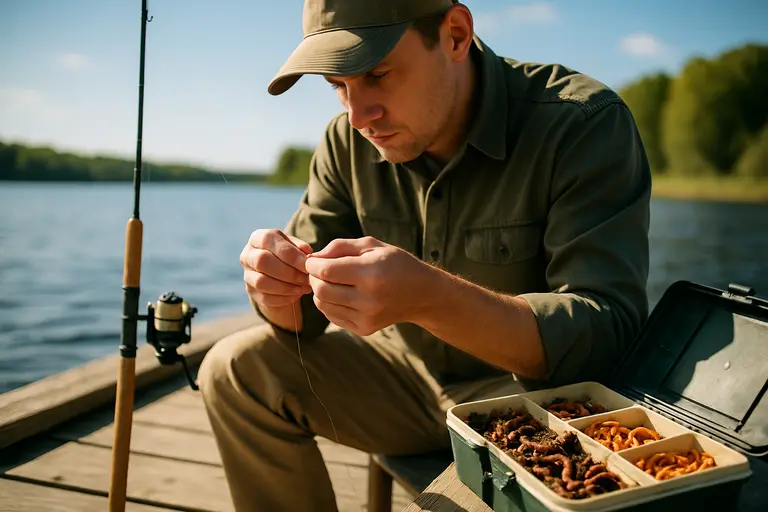
Better fishing habits often look boring from the outside. They are not boring when they save a trip. Before you leave home, check recent weather, look for local water-quality updates, and decide which spots give you room to move. At the ramp or bank, spend five minutes watching before rigging. Birds, bait, odor, water color, and surface activity can all help you decide whether to stay.
- Carry a simple trip notebook: record date, location, rain pattern, water appearance, bites, fish condition, and release outcome.
- Rotate practice spots: do not depend on one lagoon, canal, or backwater if conditions are unstable.
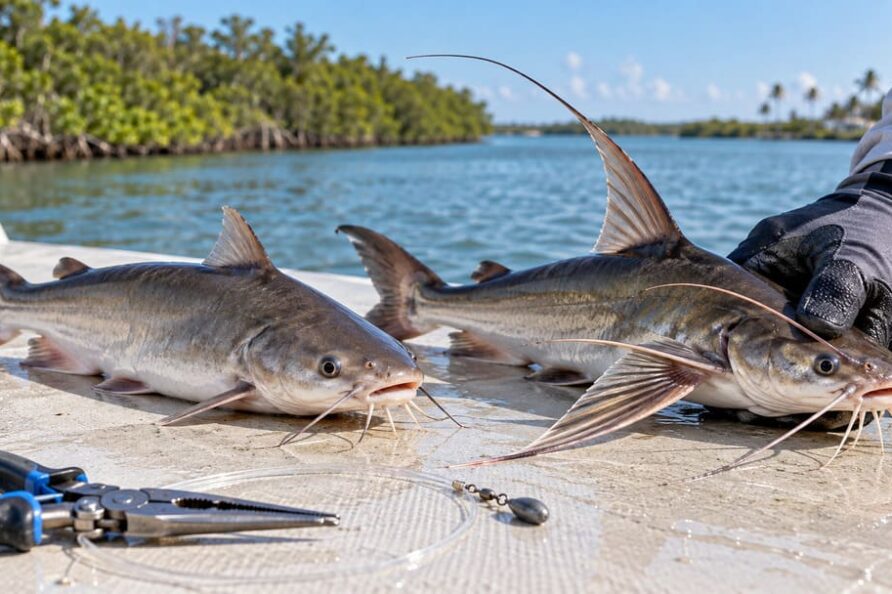
- Keep fish handling fast: have pliers, net, measuring board, and camera ready before landing a fish.
- Respect closed or stressed areas: if a fish kill or advisory is active, choose another plan.
- Talk with local anglers carefully: first-hand reports help, but separate observation from rumor.
This is where Resilient Catfishing becomes a mindset. You are not just chasing a bite. You are building repeatable decisions that hold up when conditions get messy. The angler who knows three safer backup areas, keeps clean release habits, and tracks water clues will usually outfish the angler who only memorizes one productive bank.
Resilient Catfishing Decisions After Guana
The Guana Preserve alert should sharpen how catfish anglers think about every pressured waterbody. The reported dead fish were not a green light to panic across Florida waters, and they were not proof that every stained canal is unsafe. They were a reminder that fish behavior and fish survival are tied tightly to water movement, runoff, nutrients, heat, salinity, and oxygen exchange.
A Resilient Catfishing approach asks better questions: Has rain pushed runoff through this area? Is the water trapped or refreshed? Are fish and bait acting normal? Do I have a cleaner backup? Can I land and release fish quickly? Those questions improve catch rates because they keep you around active fish, but they also protect the resource that makes sport fishing worth doing.
My advice as Jasmine Pruitt: treat every environmental alert as training. Not fear training. Decision training. Study what happened, respect what is uncertain, and turn the lesson into sharper scouting, cleaner spot selection, and more disciplined fish handling. That is how anglers stay effective after hard water-quality news, and that is how we keep catfishing strong for the next trip, the next tournament, and the next generation of heavy fish.