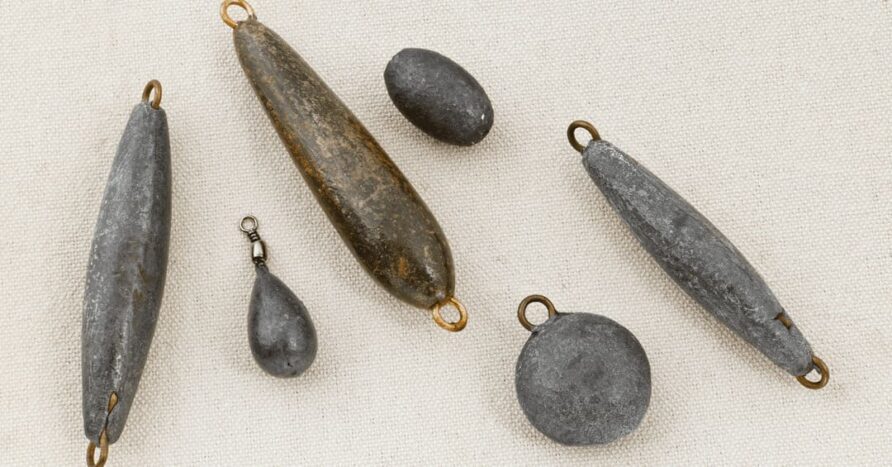
A catfish rig lost in a Florida river is frustrating, but the consequence can extend beyond the price of a sinker. Lead weights left in waterways can be swallowed by birds. Switching to a lead-free sinker reduces that particular hazard, provided the replacement still keeps your bait where you want it and you make sensible choices around snags.
The useful question is not whether steel or tungsten is automatically the best catfish weight. It is which material and shape can hold your bait in a particular current without encouraging repeated breakoffs.
The wildlife risk has a Florida connection
In a U.S. Geological Survey study of fishing weights in waterbirds, researchers examined 2,240 birds of 28 species from 1995 through 1999. Birds containing ingested lead weights were found in six states, including Florida. The items included split shot, jigs and egg, bell and pyramid sinkers. The study establishes that swallowed fishing tackle is a real wildlife exposure route, but it does not measure how many Florida birds are harmed by catfish tackle specifically.
The U.S. Fish and Wildlife Service’s explanation of lead poisoning in loons describes how birds may swallow a weight while taking in grit, or consume a fish carrying broken-off tackle. Lead can then be worn down in the bird’s digestive system and absorbed. Much of the detailed loon evidence comes from northern waters, so it should not be turned into an unsupported claim about Florida loon mortality.
For catfish anglers, the practical implication is narrower and stronger: a weight that remains on the bottom after a breakoff may become more than litter. Avoiding needless tackle loss and changing the material of weights that might be lost are two separate ways to reduce risk.
A lead-free sinker is not always a same-size swap
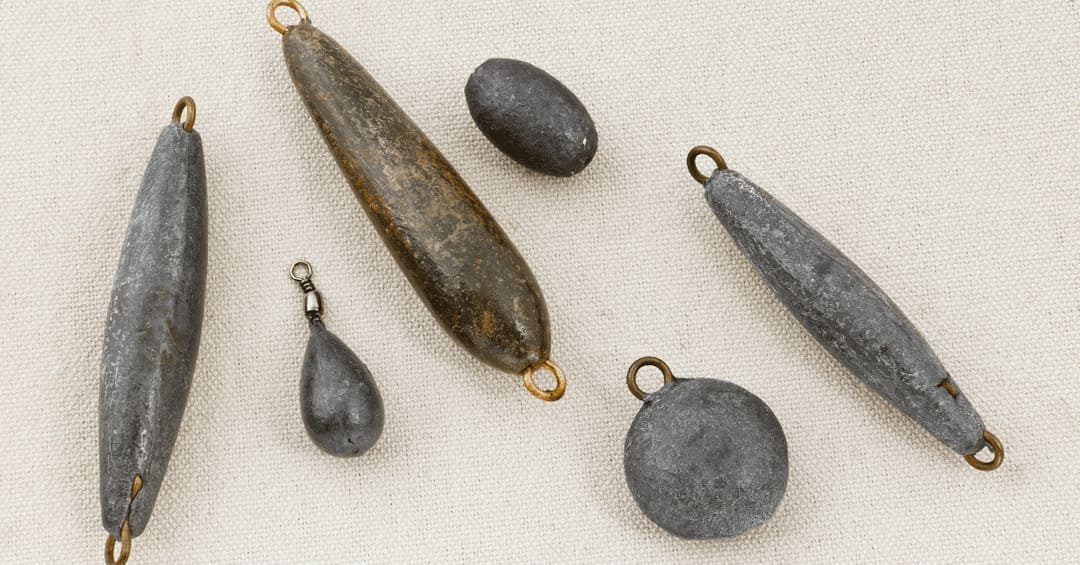
The Minnesota Pollution Control Agency’s lead-free tackle guidance identifies tungsten, steel, tin, bismuth/tin and glass as alternatives. Tungsten is denser than lead, so a tungsten weight of the same mass can be smaller. Steel and tin are less dense, meaning an equally heavy weight generally takes up more space.
That difference matters on a catfish rig, but material does not determine everything. The bottom contour, current, sinker shape, line angle and leader placement all affect whether your bait stays put. A bulky round steel weight may roll in current where a flattened design holds better. A compact tungsten sinker may pass through some cover more easily, although no material is snag-proof. None of those observations proves that one metal catches more catfish.
Look for the actual material on the packaging. Paint or a dark coating does not, by itself, prove a weight is lead-free. Inspect sliding holes and edges for anything that could damage line, and check the rod’s casting rating before increasing weight.
Match the new weight to the water, not yesterday’s rig
On a quiet pond or protected lake edge, begin with a small lead-free sliding sinker that lets the bait reach the intended depth without unnecessary bulk. If it moves with wind or wave action, adjust the weight or rig shape rather than assuming lead was essential.
On a Florida river with sustained current, prioritize a flat or no-roll shape, where available in a clearly labeled lead-free material. Start with enough mass to keep the bait on the chosen seam, then watch whether the rig creeps downstream. A steel sinker of the same stated weight as a lead one may sit differently because of its larger profile. Test the new setup in manageable current before relying on it near timber or rocks.
At a snag-prone spillway, the most useful change may be where you cast rather than what you tie on. The site’s guide to fishing catfish near spillways without losing rigs explains how current edges and controlled retrieval can reduce unnecessary breakoffs. Do not enter dangerous water or approach a hazardous discharge to rescue a sinker. The safest recovered rig is one that never had to be dragged through a dangerous obstruction.
Anglers building a freshwater catfish kit can also use the site’s big-cat gear checklist to check line, leaders, rod holders and basic tools. Changing weights should not introduce a weak knot or an oversized load elsewhere in the setup.
Check the rules and deal with old weights responsibly
Before fishing a managed lake, park or restricted water, consult the FWC freshwater fishing regulations and any water-specific rules or signs. The wildlife evidence is a reason to consider a voluntary lead-free switch; it should not be presented as proof of a statewide Florida lead-sinker ban. A different agency may manage a particular fishing area, so check that authority too.
Do not throw unwanted lead tackle into the water, melt it at home or assume a painted weight is harmless. Store old weights securely away from children, wash hands after handling them and ask your county household hazardous-waste program how to dispose of or recycle them. Retrieve discarded line and tackle only when it is safe, and carry a container for broken rigs.
The best switch is one you can keep using. Pick a verified lead-free weight, match its profile to the current, adjust the rig after observing what it does and try to lose less tackle in the first place. That is a practical improvement to a Florida catfish setup without promising bigger catches or overstating what the research proves.