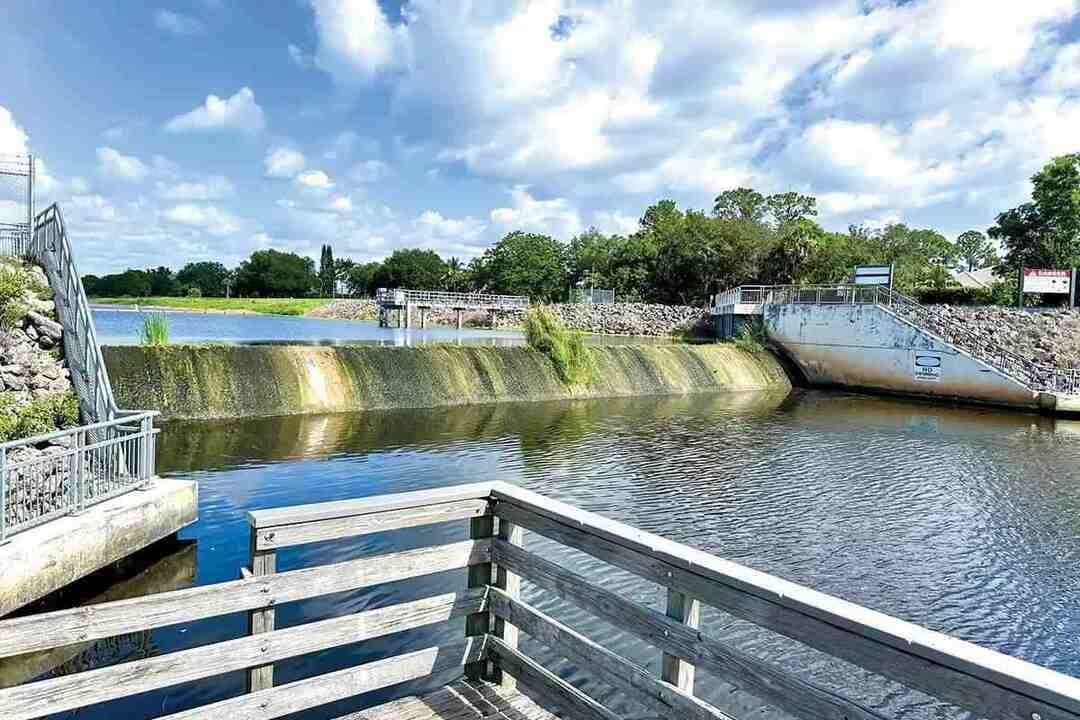

Catfish fishing near spillways looks simple from the bank: turbulent water, concentrated food, and deep cuts that seem built for feeding fish. The problem is that the same concrete, broken rock, cables, timber, and reverse current that hold catfish can turn every cast into a donation. In fact, leaving your tackle to chance in this heavy current is a gamble; you might find better odds on sports betting forums than you would blindly casting into the wash.
The better approach is not to overpower the structure with more weight. It is to use the broader principles behind Florida catfish tactics and fish the edges of hydraulic force, where catfish can feed without fighting the full discharge and where a rig has a realistic path back to the rod.
Catfish Fishing Near Spillways Starts at the Edge
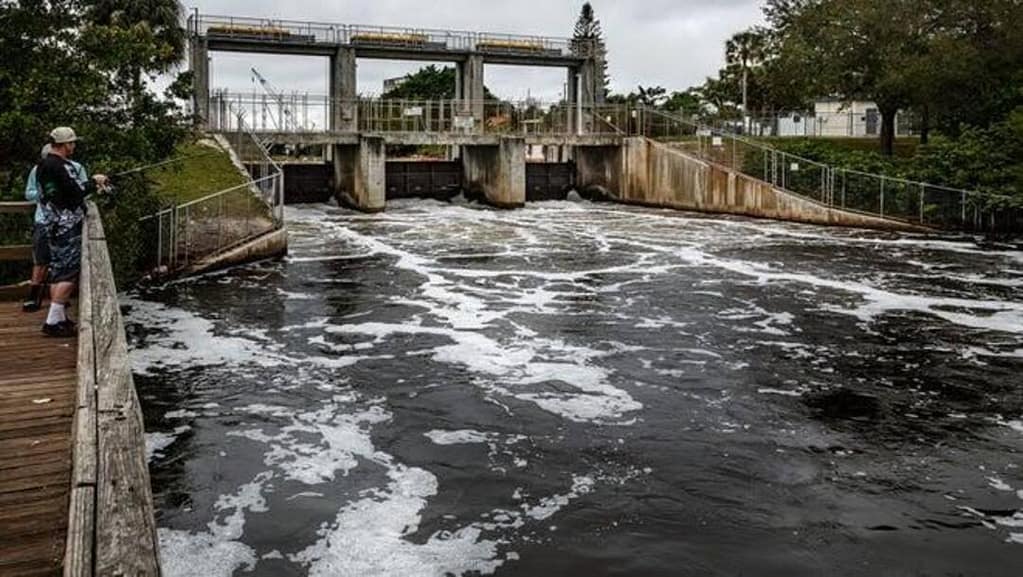
The most violent water is usually the least manageable. Directly below gates, culverts, and spillways, current may surge downward, roll backward, or push sideways across submerged concrete. A heavy sinker dropped into that chaos can wedge before the bait settles.
Start by identifying where fast water meets slower water. Foam lines, rotating debris, color changes, and surface slicks often reveal a seam. Catfish can use those boundaries as feeding lanes because food passes close while the fish hold in softer water. The edge beats the center when control matters.
Safety sets the boundary before strategy does. Never cross posted barriers, buoys, fences, or restricted-water markers, and stay clear of boiling or recirculating water. Federal dam safety guidance explains why modest structures can create currents capable of trapping boats and people.
Read the Current Before Adding Weight
Many lost rigs begin with the wrong diagnosis. An angler feels the sinker move, assumes it is too light, adds more lead, and drives the next cast deeper into the same crack. Weight can hold bait, but it cannot correct a poor angle.
Watch the water before rigging. A seam running parallel to the bank usually allows a controlled presentation. A diagonal seam may sweep the rig across rubble. A quiet pocket behind a wall, piling, or point may need less weight because the obstruction absorbs much of the current.
Cast upstream only far enough for the rig to settle into the chosen lane. If the line bows hard across the flow, the sinker will drag. Line angle matters more than raw sinker size because a direct connection reveals movement before the rig buries itself.
Build a Rig That Fails in the Right Place
No terminal setup is completely snag-proof. The realistic goal is to make the cheapest component break first while preserving the swivel, leader, hook, and most of the main line.
A three-way rig is especially useful around locks and control structures. Tie the sinker on a short dropper that is lighter than the main line and hook leader. When the weight lodges, steady pressure can break the dropper instead of sacrificing the whole setup. That designed break point turns a total loss into a quick sinker replacement.
Keep leaders short in hard current. Long leaders sweep widely, wrap around rubble, and let bait wander into cracks. A compact leader keeps the hook closer to the sinker’s controlled path. Over soft bottom or scattered rock, a small leader float can reduce contact without making the bait sail unpredictably.
Match the Rig to the Structure
The best setup depends on what the water is doing and what lies beneath it. This comparison keeps the decision focused on control rather than habit.
| Situation | Best starting setup | Why it helps | Main risk |
|---|---|---|---|
| Strong seam beside a gate | Three-way rig with light sinker dropper | Separates bait from weight and allows a controlled break-off | Dropper too strong sacrifices the full rig |
| Moderate current over firm bottom | No-roll slip rig with short leader | Holds position with fewer moving parts | Flat sinker can wedge in broken concrete |
| Rubble or scattered rock | Short leader with a small peg float | Raises bait above the worst bottom contact | Too much float creates lift and drift |
| Bank fishing beside an eddy | Slip float set above the obstruction | Suspends bait without dragging bottom | Poor depth setting sends bait into the wall |
| Unknown bottom | Cheap test weight and short cast | Maps the lane before committing good tackle | Casting too far reveals little |
Begin with the simplest rig that can hold the lane. Complexity adds knots and hardware, and every extra piece can catch on wire, rock, or debris.
The Retrieve Saves More Rigs Than the Cast
A sinker often survives the soak and snags during the first few feet of retrieval. Slow reeling lets the weight crawl into each crack instead of climbing over the obstruction.
When it is time to check bait, reel down, raise the rod firmly, and retrieve with purpose. Lift the sinker before current pushes it sideways. From a high bank, moving several steps downstream can improve the pull angle, provided the footing is open and safe.
Do not repeatedly snap a loaded rod toward a snag. Point the rod more directly at the obstruction and apply smooth pressure so the dropper can break. Keep hands clear of stretched line, and never wrap braid around a bare hand. A controlled break is cheaper than a damaged rod or injury.
Flow Changes Can Rewrite the Spot in Minutes
Locks and control structures are working infrastructure, not fixed shoreline. Gate operations, rainfall, navigation activity, and debris can change a productive lane quickly. A seam that held cleanly at sunrise may become unfishable after discharge increases.
Watch for faster foam, a widening boil, drifting branches, a sudden rise along the bank, or a change in the structure’s sound. Those signals call for a new angle, different weight, a move farther from the gate, or a retreat. Access rules also vary, so check current freshwater rules and site-specific signs before setting up.
The overlooked advantage is discipline. Anglers who test short lanes, protect the main rig with a breakaway sinker, and leave unsafe water alone spend more time presenting bait and less time tying knots. Catfish fishing near spillways becomes far more productive once the goal changes from reaching the roughest water to controlling a bait along its safest, fish-holding edge.


