
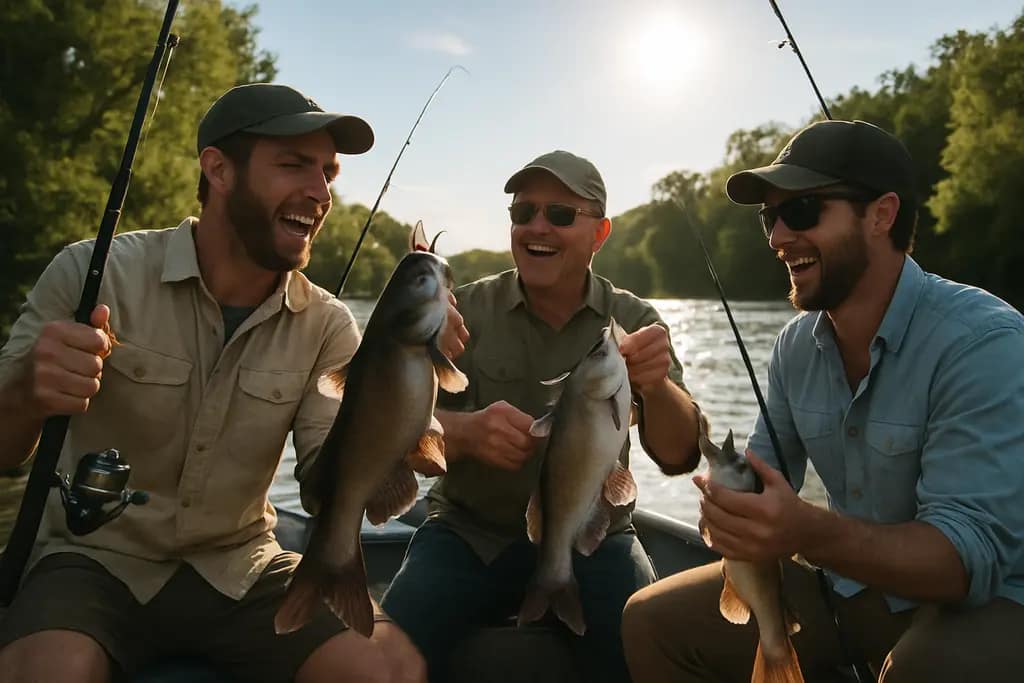

Heat Fishing Closures can feel like a hard stop for a catfish crew that has bait ready, rods rigged, and a tournament-style plan in mind. I get it. But a smart angler treats heat advisories as part of trip strategy, not as an inconvenience to ignore. High water temperatures, low flows, and low oxygen can raise fish stress, and agencies may ask anglers to adjust or pause fishing to protect fisheries. Your job is to check conditions, respect the rule on that water, and still build better habits for the next safe window.
The best catfish anglers I know are not just good at setting hooks. They are good at making calm decisions before launch. During heat waves, that means reading agency updates, carrying a thermometer, shifting effort toward legal low-light windows, and landing fish fast. If you already plan trips around current, bait freshness, and access, heat is one more variable to manage. For a broader pre-trip mindset, I like pairing this with a forecast-first plan such as catfish fishing weather so the crew knows what to expect before the bait bucket hits the deck.
Build A Heat Fishing Closures Trip Check
Heat Fishing Closures Trip Check
Before you load the boat, check the state fish and wildlife agency page for the exact water you plan to fish. Do not assume a nearby lake, tailwater, or river reach is under the same rule. Heat advisories can be voluntary or mandatory, and they can apply to specific stretches. If the agency says to stand down, stand down. That is not weakness; that is disciplined sport fishing.
Treat Heat Fishing Closures the same way a good tournament crew treats a safety call. Nobody wins by burning fish, stressing released catches, or risking a citation. If the rule is unclear, choose the conservative option until you can confirm it with the agency or posted access information. Keep a short checklist in your truck: regulation page checked, access signs checked, thermometer packed, ice and water for crew packed, alternate water chosen.
Use Temperature As A Go Or No-Go Tool
Water temperature gives you a field-level clue, but it does not replace official rules. The Wyoming Game & Fish Department advises anglers that warm water can increase fish stress and says anglers should consider keeping fish they intend to catch once water temperatures top about 65°F; it also advises avoiding releasing trout above 70°F, according to its heat guidance. Those trout numbers are not catfish closure rules, but they show the agency’s bigger point: heat and release stress deserve respect.
For catfish trips, use a thermometer at the ramp, in the area you plan to fish, and again after a few hours. Surface water can change fast on shallow flats. If you see a sharp rise, back off the most stressed water and look for legal alternatives with current, shade, or better mixing. If the area is under advisory, do not try to outsmart the sign. Save the waypoint for cooler conditions.
Shift The Plan Without Guessing
Pick Water That Gives Fish A Break
When the closure map leaves you legal options, look for places that naturally give catfish a better shot at oxygen and feeding comfort. Current seams, outside bends, creek mouths, spring influence, and tailwater areas can all be worth checking if they are open and safe. Deep water can help, but depth alone is not a magic answer. In hot weather, I want depth plus movement, or depth near a feeding shelf where fish can slide up when light fades.
Use your electronics and your anchor plan like a coach uses a game sheet. Set up so baits cover the edge, the current break, and the first travel lane. If fish are not moving, do not camp for hours out of stubborn pride. Move in small, controlled steps. During heat restrictions, fewer high-quality sets beat a long grind in marginal water.
Fish Low Light, But Keep It Legal
Dawn, dusk, and night sessions are often the most practical windows during a heat wave because the crew avoids the worst sun and catfish may use shallower feeding lanes with less pressure. Still, low light is not a loophole. If a closure covers the water all day, you do not fish it at night. If the rule sets legal hours, set alarms and quit early enough to be off the water on time.
With Heat Fishing Closures, backup planning is a serious skill. Have one open reservoir, one pond option, and one non-fishing maintenance plan ready. Some of my best hot-weather “trips” have ended in the driveway sharpening hooks, replacing leaders, washing slime off the net, and tying rigs for the next cool front. That work pays when the water reopens.
Rig For Fast Landings And Clean Releases
Match Gear To The Fish You Expect
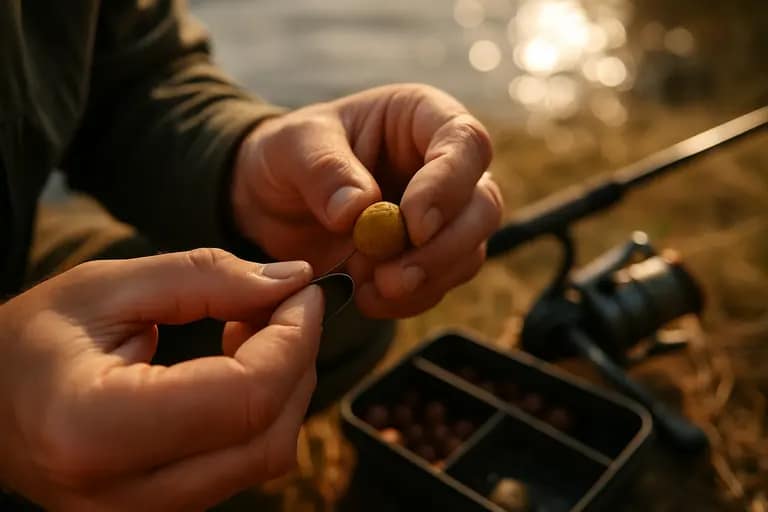
Heat is not the time to under-gun your tackle for bragging rights. Use line, hooks, and rods that can land the fish efficiently. The Missouri Department of Conservation notes that catfish rely heavily on taste and smell and lists common catfish baits such as cut bait, nightcrawlers, chicken liver, and prepared stink baits in its catfish tips. That supports a simple hot-weather plan: present a strong scent where fish can find it without forcing a long chase.
Circle hooks are a strong fit for many catfish sets because they can help hook fish in the corner of the mouth when used properly. Do not swing hard like you are chopping wood. Let the rod load, come tight, and keep steady pressure. Pair that with enough rod backbone to turn a fish away from cover. The shorter the fight, the better your odds of a clean release if you are not harvesting.
Keep Handling Short And Wet
If you plan to release fish during hot weather, prep before the bite. Have pliers, cutters, measuring board, and camera ready. Wet your hands. Keep the fish in the water while unhooking when possible. If you need a photo, make it quick and support the fish horizontally. Long photo sessions are for people, not fish.
- Set the drag before the first cast, not during the fight.
- Use fresh, scent-heavy bait near travel lanes instead of dragging fish into long chases.
- Cut the leader if a hook is difficult to remove quickly.
- Revive a released fish facing into current or gently move water across the gills in still water.
- Quit early if fish look sluggish, roll, or fail to recover strongly.
These habits matter even outside official closures. They also build trust with landowners, tournament directors, agency staff, and other anglers who share the same water. Good catfish crews protect access by showing restraint when conditions turn rough.
What Heat Fishing Closures Mean For Catfish Crews
Heat Fishing Closures should push catfish anglers toward sharper planning, not sloppy workarounds. The crew that checks rules, reads temperature, rigs heavier, and handles fish quickly will be better prepared when safe conditions return. That is the sports-first mindset I want on every boat: compete with the conditions, respect the resource, and keep improving even when the day’s best decision is to stay off a stressed stretch of water.
My practical rule is simple. If the agency closes or advises against fishing, follow it. If fishing remains legal but water feels borderline, shorten the trip, fish cooler windows, harvest only within regulations if that is your plan, and avoid unnecessary catch-and-release pressure. Catfish are tough fish, but tough does not mean invincible. The anglers who understand that will be the ones still finding quality fish when the heat breaks.


