
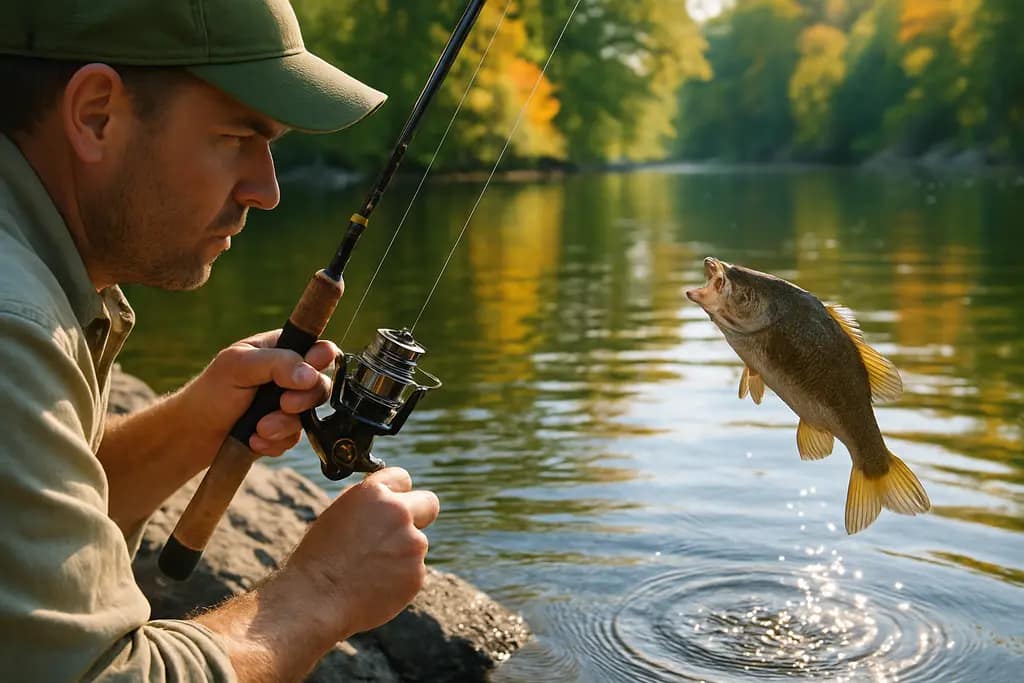

If your Summer Smallmouth Drop-Shot program still looks like a lazy vertical shake over yesterday’s waypoint, the 2026 tournament trail gave us a polite shove off the dock. Summer smallmouth bass can be catchable, but they do not always sit still, feed cleanly, or reward a one-speed retrieve. Recent competition notes point toward a sharper plan: match bait size to pressure, adjust sinker weight to wind and depth, use color with purpose, and treat every cast like a controlled presentation rather than a guess.
I like this pattern because it is honest. A drop-shot does not need theater. It needs line control, bottom awareness, and a bait that stays in the strike window long enough for a roaming smallmouth to commit. The lessons below come from recent events and reported pro adjustments, with the strongest source support tied to the 2026 Lake Erie MLF Bass Pro Tour win by Justin Lucas.
What Recent Events Taught About Summer Smallmouth Drop-Shot
On August 6-9, 2026, Justin Lucas won MLF Bass Pro Tour Stage 7 on Lake Erie, and the reported winning pattern leaned heavily on a drop-shot with a Berkley PowerBait MaxScent Flat Worm. The recap notes black, green-pumpkin, and smoke-purple color choices, plus 1/4- to 1/2-ounce sinkers based on depth and wind BassBlaster recap. That is not a random tackle tray. That is tournament triage: read the conditions, pick a color that bass can find without flaring them, then use enough weight to keep control.
The Brownlee Reservoir Super 60 Championship, completed on June 26, 2026, added a second useful angle. Rich Craft reportedly used a drop-shot with Yamamoto Shad Shape Worms in natural shad colors, 1/4-ounce weights, and depths from 20 to 35 feet. The big clue there is not just “fish deep.” It is “fish the right deep.” Post-spawn smallmouth often slide onto structure, break edges, brush, and baitfish routes. A good angler maps where bass travel, not just where a contour line looks pretty on a screen.
Summer Smallmouth Drop-Shot Rig Choices
Start with a 3.5- to 4-inch soft plastic if the fish have seen heavy pressure. Flat worms, shad-shaped minnows, and slim baitfish profiles all fit the reported competition pattern. A smaller bait does two jobs: it looks manageable to neutral bass, and it helps the bait move naturally with less rod input. If every boat in the area has already dragged a loud, bulky offering through the same school, a quieter bait can keep you in the rotation longer.
For sinkers, use the Lucas range as a practical bracket. A 1/4-ounce weight is a clean starting point in moderate depth and lighter wind. Move toward 3/8 ounce when you need faster contact, especially around suspended fish or when the boat is sliding. A 1/2-ounce sinker makes sense when wind, waves, depth, or current steal feel from the rig. Do not treat heavier as less natural by default. A bait that reaches the fish and stays controlled is often more natural than a light rig bowing behind the boat like a kite tail.
Color And Leader Adjustments
Color should answer a water question. Darker tones such as black can help early, under lower light, or in dirty water. Green-pumpkin and smoke-purple fit clearer or calmer conditions where bass get a better look at the bait. Do not rotate colors because you are bored. Rotate because light, visibility, or fish response tells you the first option is wrong.
A 10- to 12-inch leader is a strong starting point from recent tournament practice. It keeps the bait separated from the weight without making the rig sloppy. If fish nose down and do not eat, shorten the leader and keep the bait tighter to bottom. If bass suspend slightly above rock, grass, or scattered cover, lengthen it. Treat leader length like a depth dial in inches, not a fixed recipe.
Boat Position And Sonar Timing
Forward-facing sonar has changed how many competitive anglers aim a drop-shot, but the best lesson is discipline, not screen worship. A controlled summer 2025 experiment on Nebish Lake in Wisconsin logged 1,722 smallmouth across 512 combined fishing hours. The research notes reported that teams using forward-facing sonar caught about 0.64 fewer fish per hour, while their mean bass size was about 25 mm larger. The same experiment also found technology-equipped anglers covered less distance but turned more often, which points toward searching and adjusting rather than blind casting.
That matters for anyone trying to improve. Sonar can help you identify targets, but it does not set the hook, choose the right weight, or keep slack out of your line. If you use it, make your cast before the fish is under the boat. Lead the school, let the rig fall into the lane, and avoid dropping directly on top of smallmouth that are already wary from boat traffic.
Casting Ahead Of Wolf Packs
For open-water packs, cast past the direction of travel and bring the bait back into the fish. This keeps your line angle cleaner and makes the bait look less like it fell from a spaceship. Use enough weight, often 3/8 to 1/2 ounce in wind or deeper water, so the rig gets down before the school drifts away. Then pause. Summer smallmouth frequently follow before they eat, and a dead-still bait can be the insult that makes one rush forward.
Boat control is the quiet hero here. Point the bow so your line does not sweep sideways. If the wind pushes you across the fish, reset instead of dragging the rig through them at the wrong angle. If you want more practice planning angles before making the cast, the same-site piece on casting and positioning pairs well with this approach.
Retrieve Changes For Pressured Summer Fish
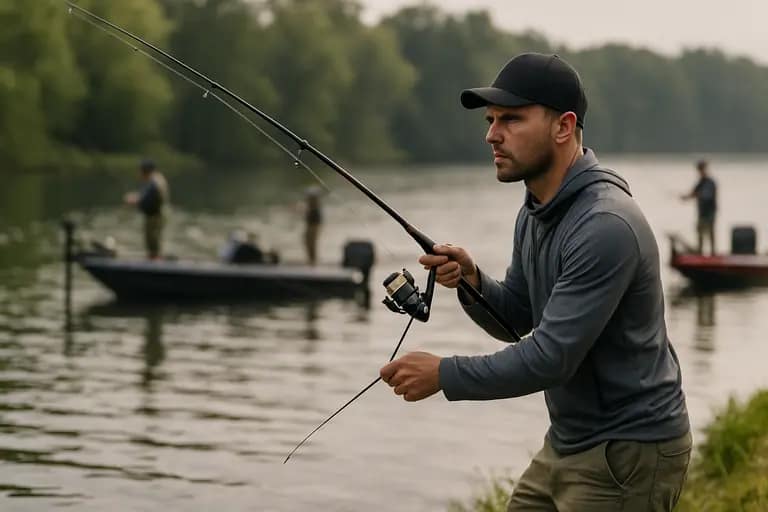
Treat a Summer Smallmouth Drop-Shot as a depth-control tool first and a shaking tool second. Too many anglers overwork the bait. In clear summer water, especially over fish that have been watched on sonar and cast to by other boats, the best move may be a short lift, a soft quiver, and a long pause. Let the bait hold above the weight. If the fish rises but stalls, do less. If it tracks and fades, change angle before changing the whole rig.
The “cast, sink, stop, pop, pause” sequence has been used in recent scope-style drop-shot approaches. The key is the stop. Instead of letting the bait crash below a suspended fish, kill the fall a few feet above the target zone, then add sharp pops followed by dead pauses. This keeps the bait visible and reachable. It also gives the smallmouth a simple decision: eat now or watch it hang there.
Reading Missed Bites
A missed bite is useful data. If you feel a quick tap and nothing loads, the fish may have grabbed the tail or pushed the bait. Shorten the bait profile, check the hook point, and pause longer after the first contact. If the line goes heavy and then drops, you may be setting before the fish turns. Reel into pressure until the rod loads, then sweep. A violent hookset with light line can cost you fish and confidence.
Line choice should match the water and pressure. Light fluorocarbon can help the bait move freely and stay less visible. Some anglers use a light braided main line with a fluorocarbon leader for better feel and hook control. The point is not to copy a pro’s spool exactly. The point is to keep sensitivity without making the presentation clunky.
Why Drop-Shot Adjustments Matter For Summer Smallmouth
A sharp Summer Smallmouth Drop-Shot program is built on small corrections. Change sinker weight before you lose bottom contact. Change color when light or clarity changes. Change leader length when fish show you where they want the bait. Change boat angle when the line starts dragging instead of presenting. None of that is flashy, but it wins more casts than guessing.
The 2026 competition notes also remind us that “deep” is not a spot. It is a behavior pattern. On Lake Erie, wind and depth pushed weight selection. At Brownlee, post-spawn fish related to 20- to 35-foot structure and bait routes. In sonar-focused fishing, target size and positioning mattered as much as total bites. Keep your Summer Smallmouth Drop-Shot plan flexible, and you give yourself a better chance to catch the bass other anglers only mark.


