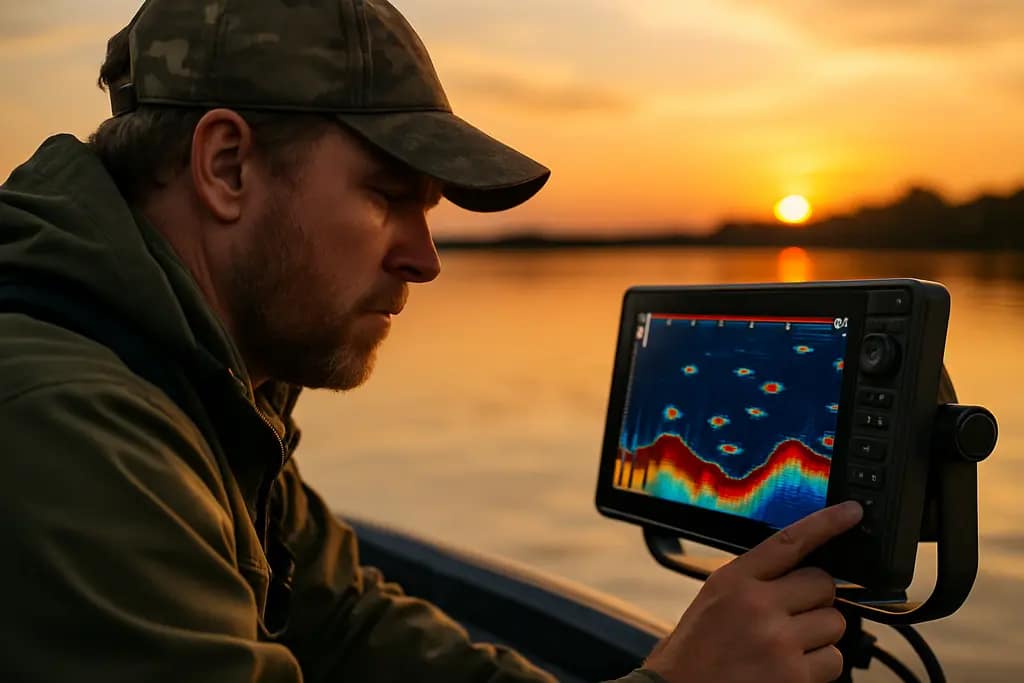

Live-Imaging Sonar can help fall black bass anglers make sharper tournament decisions, but it rewards discipline more than staring. I treat it like a fitness tracker on the deck: useful data, no automatic win. The best competitors still need boat control, map study, casting form, lure depth control, and a backup plan for shallow cover or electronics-restricted events.
Fall can be a hard reset for black bass strategy. Fish may pull away from obvious banks, relate to bait, suspend near deeper zones, or hold near structure that is easy to miss with blind casting. The goal is not to scan forever. The goal is to identify a high-percentage zone, make a clean cast, keep the bait in the right depth band, and move before the clock bleeds out.
Live-Imaging Sonar And Fall Bass Location
Why Deep Open Water Gets Priority
A study published on September 2, 2026 analyzed eight Major League Fishing events from 2025 and found that live-imaging sonar use during permitted periods significantly increased catch rates in certain fisheries, notably Lakes Conroe and Murray, especially in deep, open water with low habitat complexity black bass catch study. That finding matches what many tournament anglers feel on the front deck: the screen becomes most useful where bass and bait are not pinned to obvious shallow targets.
The same research found anglers fishing deep water had almost three times the likelihood of using live-imaging sonar compared with anglers working shallow, complex cover. It also found the average weight of bass caught did not differ significantly between use and non-use periods. That is the coaching point. Do not assume a screen equals a heavier bag. It may help you catch more in the right setting, but weight still comes from decision-making, presentation, timing, and getting the correct fish to commit.
Live-Imaging Sonar Depth Discipline
Live-Imaging Sonar works best in fall when you turn marks into a depth plan. If bait is suspended at 18 feet over 32 feet, your cast should not be a random prayer into the middle of the lake. Choose a lure and retrieve that can stay near that lane long enough to get noticed. Jerkbaits, jig-style presentations, and other baits can be worked through a detected depth zone, but only if you control cadence and count-down time.
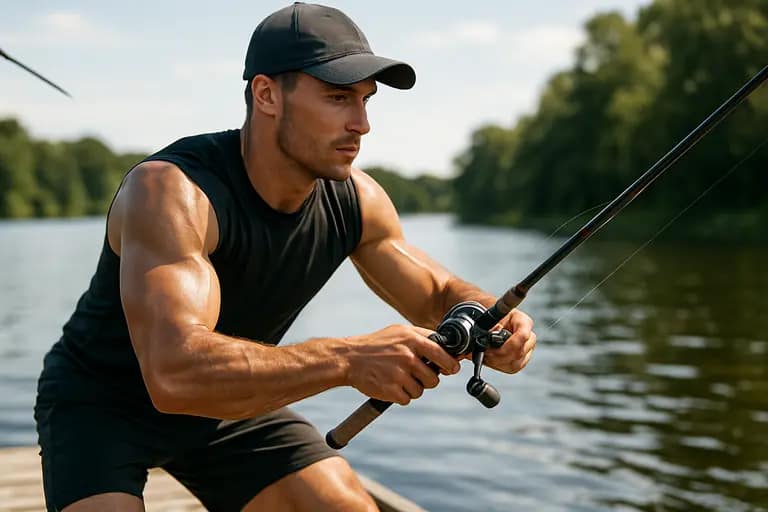
My athlete rule is simple: eyes, feet, hands. Eyes read the target. Feet keep your body balanced on the trolling motor and deck. Hands make the cast and run the retrieve without panic. If one part breaks down, you start chasing ghosts. Practice this with a timer before tournament morning. Give yourself 20 seconds to spot, cast, and settle into the retrieve. That drill keeps sonar use active instead of passive.
Map First, Then Verify Fish
Build A Short List Before Idling
Forward-facing electronics should not replace map work. Professional anglers have paired forward-facing sonar with high-resolution bathymetric mapping to find structure such as drop-offs, saddles, and humps; Jacob Wall used that combination on Lake Guntersville during REDCREST 2025 to identify target zones mapping and sonar report. That approach is clean, athletic, and efficient: build the route first, then use the screen to confirm what lives there.
Before practice, mark several categories: main-lake points, creek-channel swings, offshore humps, deep grass edges if present, and transitions near bait travel lanes. Then rank them by wind exposure, boat pressure, and how quickly you can fish each stop. I like three levels: fast check, medium check, and commit stop. Fast checks get a few scanning passes and two or three casts. Medium checks get a full casting angle change. Commit stops get repeated passes only after fish, bait, or structure confirms the choice.
Turn Marks Into Casts
I treat Live-Imaging Sonar as a casting coach, not a television. Once a fish shows itself, line up your shoulders, pick a landing spot past the target, and bring the bait through the fish instead of dropping it on top of its head. That small detail matters. In competition, a rushed cast can land short, spook a fish, or pull the bait out of the strike lane too soon.
Structure still matters even if bass do not show clearly. Brush, boulders, dock posts, grass clumps, and edges can give you casting targets. If the screen shows cover but no clear fish, make one reaction-style pass, then leave unless the area fits a larger pattern. For more black bass electronics practice, I like pairing this plan with a focused black bass electronics plan so sonar, mapping, and fallback skills stay connected.
Train Your Body For Screen-To-Cast Speed
Search Mode Has A Cost
One risk with modern electronics is getting stuck in search mode. Research from the provided notes found anglers using forward-facing sonar tended to search more and cast less often compared with anglers not using it. That can help if the goal is finding deeper suspended fish, but it can also drain a tournament day. Every minute spent scanning is a minute not putting a bait in front of a catchable bass.
Set rules before blastoff. For example, if a stop shows bait but no quality targets after a set amount of time, make a few casts through the bait and move. If a stop shows individual fish that follow but refuse, change lure speed or depth once before leaving. Do not let curiosity run the trolling motor. Tournament fishing is a timed sport, and the clock does not care how pretty the screen looks.
Fitness Drills For Long Fall Days
Fall events can mean cold starts, wind, layered clothing, and long periods standing on one leg while steering. That is athletic work. Train for it with balance holds, hip mobility, forearm endurance, and shoulder control. A simple off-water circuit can include single-leg stands, band rows, light wrist curls, and controlled casting reps with a practice plug. Keep it safe and light; the goal is repeatable movement, not soreness.
On the water, reset your posture after every few casts. Bend your knees, loosen your grip, and keep your rod hand ready. Fatigue creates lazy casts, and lazy casts miss the exact window that electronics helped you find. The angler who can scan, cast, and retrieve cleanly at hour seven has a real competitive edge over the angler who trained only by buying screens.
Live-Imaging Sonar Fall Tournament Checklist
Keep A No-Screen Plan Ready
Live-Imaging Sonar is not a complete tournament identity. Rules can vary by circuit and event, so confirm the official tournament electronics policy before practice. Build a shallow-cover plan, a visible-structure plan, and a map-only offshore plan. If electronics are limited or the fish tuck into cover where the screen is less helpful, you still need to compete.
- Start With Maps: Mark drops, humps, saddles, channel swings, and likely bait routes before practice.
- Verify With Sonar: Use the screen to confirm bait, fish position, and casting angles.
- Match The Depth: Pick lures that stay in the same water column as the fish you see.
- Limit Search Time: Decide how long each stop gets before you arrive.
- Practice Without It: Keep shallow targets, cover casting, and map-reading sharp for rule changes or tough conditions.
The strongest fall black bass plan blends technology with tournament toughness. Use the screen to shorten the search, use the map to choose better water, and use your body like a trained athlete when it is time to cast. That is how electronics become a tool instead of a distraction.


