
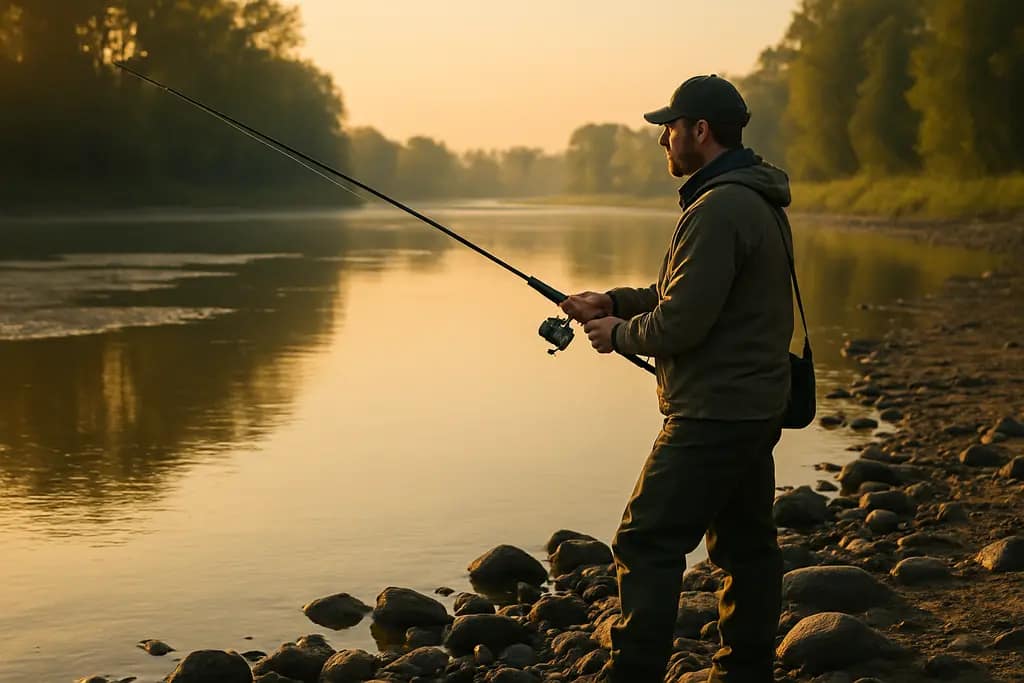

drought fishing tactics should feel like tournament prep, not panic fishing. Low water can concentrate fish, expose structure, warm shallow zones, and make every bad cast louder than a dropped tackle box lid. As a competitive angler and fitness junkie, I treat drought days like a short, high-intensity event: scout first, move with purpose, protect the fish, and leave ego at the ramp.
The goal is not to grind every pocket until something bites. The goal is to build a plan that matches the water you actually have. During drought, trout and other coldwater species can face high water temperatures and low dissolved oxygen, so your decisions affect both catch rate and fish survival. That means timing, legal checks, quiet movement, lighter presentations, and faster releases all belong in the same playbook.
Drought Fishing Tactics Start With Timing
Fish The Cooler Edges Of The Day
Good drought fishing tactics start before the first cast. I like early morning because shallow water has had the night to shed heat, light is lower, and fish may hold in softer lanes near cover. Evening can also work, but it deserves a stricter read: if the water stayed hot all day or fish look sluggish after release, pack it up and train for another window.
Think like an athlete managing output. A two-hour low-water session with ten clean presentations beats six hours of stomping banks and dragging fish through warm shallows. Set a hard time block before you leave home. If the bite does not line up, move to scouting, casting practice, or a legal warmwater option rather than forcing a stressed coldwater system to produce.
Use Closure Alerts As A Pre-Trip Rule
On June 18, 2026, the U.S. Geological Survey described an integrated drought early warning system for coldwater fisheries management that uses drought, streamflow, and temperature information to help anticipate low-flow or high-temperature thresholds one to four weeks ahead USGS drought warning system. For anglers, that is scouting fuel. If a river is trending toward a closure threshold, treat that as a signal to shorten your session, change water types, or pick a different legal location.
Regulations can also change the field before your lures ever hit the truck. California lists low-flow fishing regulations for selected waters, including closures tied to flow thresholds and defined date ranges such as September 1 through April 30 for many North Coast waters California low-flow rules. Build a habit: check the official fishery agency page, stream gauge information where available, and local access rules the night before and again before launch. That five-minute check is as basic as tying a fresh knot.
Read Low Water Like A Scouting Report
Find Depth, Shade, Flow, And Oxygen
Low water turns a river or lake into a scouting report with fewer pages. The fish do not have as many places to hide, but the best holding water becomes more obvious. Start with deeper pockets, shaded banks, cooler tributary seams, riffles, fast-moving water, headwaters, undercut banks, and any spot where current brings oxygen into the system. In lakes and reservoirs, look for deeper edges near creek channels, shaded cover, and zones where bait can still move without being trapped in bath-warm shallows.
Approach each target from farther away than usual. Low, clear water magnifies your outline, foot vibration, trolling motor noise, and sloppy shadow angles. I like to stop short, kneel or stay low on the bank, and make the first cast count. In boat situations, hold position outside the target lane and cast across or slightly upstream instead of parking on top of the fish.
Respect The Concentration Effect
When water drops, fish can stack in the remaining quality habitat. That can tempt anglers into thinking the day is easy. It is not. Concentrated fish can also be pressured fish, and repeated hookups from one small pool can be hard on them during warm, low-flow periods.
Rotate water the way a coach rotates players under heat and schedule pressure. Hit a pocket with a few clean presentations, change angles once, then rest it. If you see fish refusing, sliding away, or holding tight without feeding, do not keep firing casts like a pitching machine with no off switch. Mark the location, back out, and return only if conditions improve.
Build A Low Water Presentation Plan
Drought Fishing Tactics For Quiet Approaches
Low water usually rewards smaller, quieter, slower work. These drought fishing tactics are simple: downsize lures or flies, lighten leaders or tippets where the cover allows, reduce splash on entry, and make fewer false casts. With spinning gear, smaller soft plastics, compact jigs, subtle spoons, and natural colors can help when visibility is high. With fly gear, a longer leader and a controlled tuck cast can place the fly without slapping the surface.
Retrieve speed matters. In skinny water, a lure ripping through the strike zone can look wrong and spook fish that already have fewer escape routes. Start with a slow retrieve, add pauses, and watch how fish react. If they follow but do not commit, shorten the bait profile or change the angle before you change the whole box.
- First Cast: Make it from distance, land beyond the holding lane, and bring the bait into the target naturally.
- Second Cast: Change depth or angle, not noise level.
- Third Cast: If fish slide or flare, rest the water and move.
- Landing Plan: Know where you will steer the fish before you set the hook.
Shorten The Fight And Clean Up The Release
During drought, catch-and-release discipline is part of the tactic, not an afterthought. Use gear strong enough to land fish quickly. Barbless hooks or circle hooks can reduce handling time in many situations, and a wet rubber net helps protect fish while you unhook them. Keep fish in the water as much as possible, skip long photo sessions, and release them where they can regain position without being swept into shallow, warm margins.
If trout are your target, pair this plan with extreme heat trout tactics so your low-water approach lines up with fish care, not just hooksets. A clean release is a competitive skill. Anyone can celebrate a catch; disciplined anglers can release one fast and get ready for the next smart decision.
Train Your Body For Short Windows
Practice Casting Economy
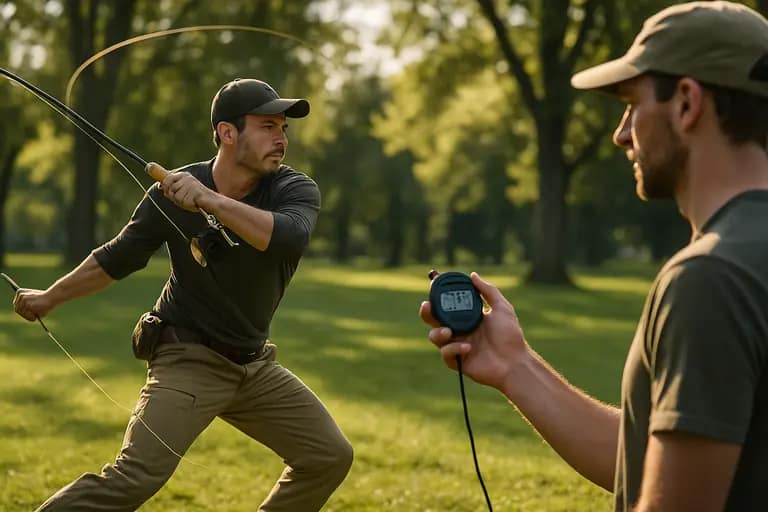
Drought fishing is often sight-based and distance-sensitive, so wasted motion costs fish. I train casting economy like shoulder conditioning. Pick three targets in the yard or on a practice pond: short, medium, and long. Make one back cast, hit the target, reset your feet, and repeat. The drill teaches you to control line speed without waving the rod around like you are flagging down a rescue boat.
For spinning and baitcasting setups, practice sidearm casts under imaginary limbs and soft entries beside a marker. Low water exposes cover, but it also punishes splash. Ten minutes of practice after a workout can make you quieter than an extra hundred dollars of tackle.
Build Bank Mobility And Boat Discipline
On foot, low-water fishing often means crouching, side-hilling, stepping over exposed rock, and making awkward casts from limited stances. Train hips, ankles, and core rotation so you can stay balanced without stomping the bank. Bodyweight squats, step-ups, loaded carries, and controlled rotational work carry over well to fishing movement. Keep it practical: you are training to move quietly with gear, not posing for a gym poster.
In a boat, discipline is physical too. Use the trolling motor lightly, plan drift lines, and avoid constant corrections near skinny targets. One strong setup position beats five noisy adjustments. Hydrate, wear sun protection, and take shade breaks where appropriate, but let the water conditions decide the fishing window. Pride is not a strategy.
Drought Fishing Tactics On The Water
Make The Go Or No-Go Call Early
The best drought fishing tactics include knowing when not to fish. If an official closure is in place, the choice is made. If no closure exists but water is low, warm, and fish are slow to recover, shift to scouting, gear prep, casting drills, or another legal fishery that can handle pressure better. That is not quitting; that is season management.
Before every drought trip, ask four questions. Is the water open under current regulations? Is there enough flow, depth, or cooler refuge to support an ethical session? Can I land fish quickly with the gear I brought? Do I have a backup plan if conditions are worse than expected? If any answer is weak, adjust before you start casting.
Keep drought fishing tactics simple on the water: fish the coolest legal window, target oxygenated and shaded structure, approach like a hunter, downsize without going underpowered, and release fish fast. That approach protects the resource and sharpens your competitive edge. Low water does not reward the loudest angler. It rewards the one who reads conditions, moves efficiently, and respects the fish enough to make the hard call.


