Duckett Fishing’s ¥EN System has launched during September 2026 with a clear message for bass anglers: stop treating soft plastics, hooks, keepers, and bait firmness as separate choices. For sport fishermen working clear, bright, or heavily pressured water, that system-first idea matters because small rigging errors can cost clean presentations before a fish ever reacts to the bait.
The available information is still early. The launch has just taken place, so long-run tournament patterns and broad catch-rate data cannot be verified from the provided research. What we can assess is the design logic: a Japanese-inspired soft plastics and terminal tackle brand imported by Duckett Fishing, built around technique-specific baits and matching terminal components for high-pressure bass water Water Wire release.
What The ¥EN System Changes For Bass Anglers
Why The ¥EN System Starts With Matching Parts
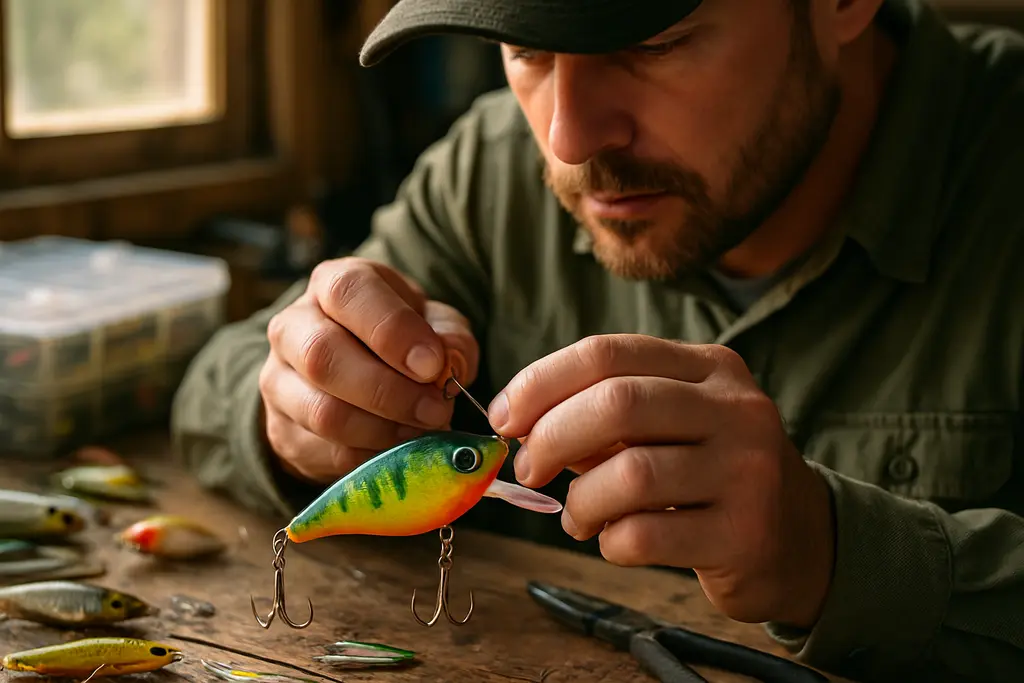
The ¥EN System is not just a bag of soft plastics with a fresh label. Its main angle is the complete-system approach: baits, terminal parts, and rigging aids are meant to work together. That matters most in pressured water, where bass may track a bait, follow it, and refuse it if the profile twists, slides down the hook, or falls in a way that looks wrong. Think of the ¥EN System as a way to reduce those avoidable errors before you start changing colors every five casts.
For anglers, the practical shift is simple: begin with the presentation goal, then choose the bait and terminal piece that support it. If you need a soft fall around sparse cover, do not rig as if you are punching heavy grass. If you need a bait to stay straight after repeated pitches to a dock corner, bait retention becomes part of your fishing strategy, not just a convenience. That is where the system concept has value.
What KIPA And GOMU Add
Two named features deserve attention. KIPA is described as a molded or wire keeper that helps secure soft plastics to hooks through repeated casts. GOMU is a plastic density rating printed on packaging, giving anglers a way to compare firmness and fall behavior before tying on. That is useful because many soft plastics are judged by shape, color, and feel in the hand, while density often gets learned the hard way after the first few casts.
On the water, KIPA should be evaluated by how straight the bait stays and how often you need to slide it back into position. GOMU should be evaluated by fall rate, shimmy, and how the bait behaves after a pause. Do not treat either feature as magic. Treat both as control points. If the bait tracks true and falls at the speed you intended, keep fishing. If not, change one variable at a time.
Rigging Tactics For Pressured Water
Let ASHI Work On The Pause
The lead soft plastic in the lineup is ASHI, a pill-shaped bait with 42 tapered legs. “Ashi” means “legs” in Japanese, and the design is meant to keep movement on pauses. ASHI is made with Duckett’s TPE-C90 material, which the research states remains stable in water temperatures up to 194 °F, or about 90 °C. That temperature detail is a material-performance note, not a reason to fish unsafe conditions or leave tackle baking carelessly in a vehicle.
With the ¥EN System, the pause should be part of the retrieve rather than dead time. Cast past the target, let the bait settle, move it with the rod tip just enough to reposition the body, then stop. Watch the line during that stop. In clear water or bright conditions, bass often get a long look at finesse plastics. A bait that still quivers while parked can keep the presentation alive without forcing you into a loud, aggressive retrieve.
Match Density To Fall Behavior
GOMU gives anglers a more organized way to pick firmness and fall behavior. That does not replace practice; it gives your practice a better notebook. Fish one density around a dock edge, count the fall, observe how the bait lands, then repeat with another option under similar depth and wind. If the bite comes after a long glide, write that down. If fish react only after the bait reaches bottom, write that down too.
This matters for finesse-minded anglers because bait-finesse tactics have grown in the United States around light presentations from 1/32 to 3/8 ounce WM Bayou BFS soft plastics. The Duckett approach adds a system lens to that idea: not just how light the presentation is, but how the plastic’s firmness, keeper, hook, and pause action work together.
If you want to sharpen the rest of the rig, pair this soft-plastic testing with line and terminal adjustments from our article on line, leader, and terminal tackle. A finesse bait can only do its job if the hook, leader, and connection choices let it move cleanly.
Practice Plan Before Tournament Water

Casting And Retention Checks
Before trusting any new plastic in competition or on a crowded weekend lake, run a simple retention test. Rig the bait as intended, make 20 casts to a fixed target, and inspect whether the nose has slipped, torn, or rotated. Then pitch it underhand to a dock post or laydown target and repeat. The goal is not to prove the bait is perfect. The goal is to learn how it behaves before a bite window opens.
Use this short checklist during practice:
- Track straight: If the bait rolls, re-rig before changing color.
- Count the fall: Use the same rod angle and line control each cast.
- Pause with purpose: Give legged baits time to show subtle movement.
- Inspect the keeper: Note how often the bait needs adjustment.
- Change one variable: Switch density, weight, or hook position one at a time.
Water Clarity And Fishing Pressure
The research points to bright, clear, and heavily pressured conditions as a target use case. In those settings, I like to start with less rod movement than my coffee-fueled brain wants to use. Make the bait easy for a cautious bass to eat. Short hops, small shakes, and long pauses often reveal whether fish are interested but selective.
Wind and light also matter. In slick water, a bait that falls naturally and stays straight can outfish a louder profile. In broken surface chop, you may need a little more weight or a slightly firmer plastic to maintain contact. The point is to read the conditions before blaming the fish. Pressured bass are not impossible; they are just very good at punishing sloppy rigging.
Duckett ¥EN System Bass Strategy Payoff
The best use of the ¥EN System is disciplined experimentation. Start with the bait’s intended role, rig it with the matching keeper or terminal component, then judge it by fall, posture, and pause action. The early information supports a more technical way to choose soft plastics, especially for anglers who already care about finesse presentation and pressured-water decision-making.
Will it rewrite every bass angler’s box by itself? The available research does not prove that. What it does support is a sharper process: pick plastics by behavior, not just by shape and color. For tournament anglers, club competitors, and weekend fishermen on busy lakes, that process can make practice more productive. And in bass fishing, a cleaner process is often the difference between guessing and making the next cast with a reason.