
Deep water has an enduring mystique for anglers of all ages. When I was a kid, I was fascinated by those dark, seemingly endless depths beneath my boat, convinced that massive fish lurked far below just waiting to be caught. But like so many anglers, I quickly learned that reaching deeper water doesn’t guarantee success simply dropping your bait into the abyss often ends with an empty hook.
The real key to catching more fish in deep water is strategy. By understanding fish behavior and employing the right techniques, anglers can consistently turn the deep into some of the most productive fishing territory available. Here are three straightforward ways to start catching more fish from the depths, whether you’re a beginner or an old pro.
Finding Structure: The Deepwater Angler’s Secret Weapon
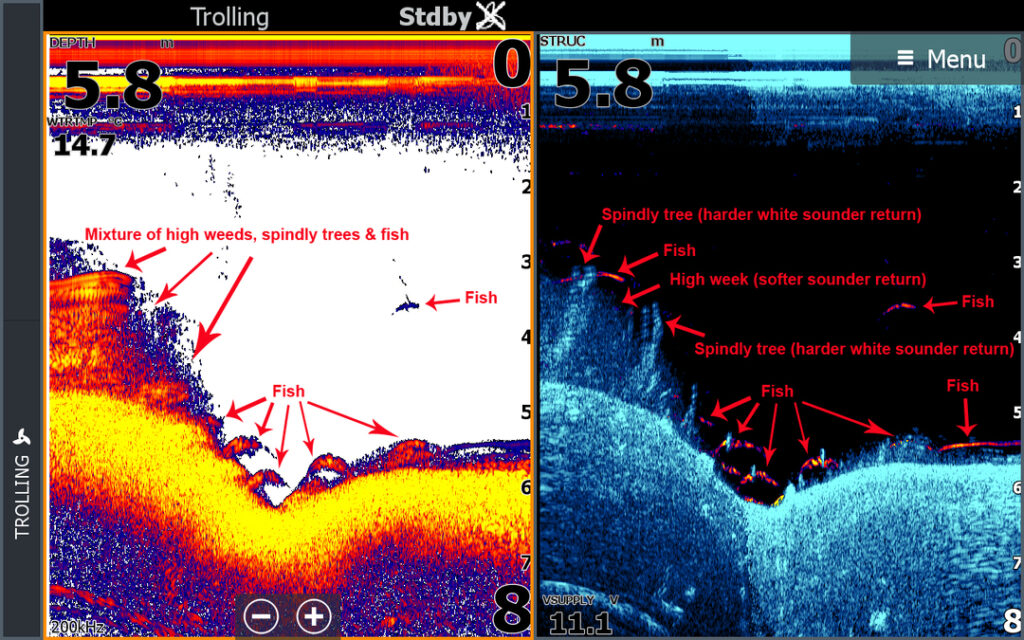
The vast expanse of deep water can be intimidating, but it doesn’t have to be overwhelming. The number one rule is to focus your efforts around underwater structure. Fish in deep water behave much like they do in the shallows they use structure as shelter, for ambush, and as holding areas. Ledges, humps, drop-offs, submerged timber, and rock piles often act as magnets for deep-dwelling species.
Modern technology such as sonar and GPS mapping takes the guesswork out of locating productive areas. Even on a budget, there are reliable fish finders that help you detect structural variations on the bottom. Rather than aimlessly fishing open expanses, target these features and you’ll dramatically increase your odds.
A Bit of Finesse: Adjusting Your Approach for Deep Success
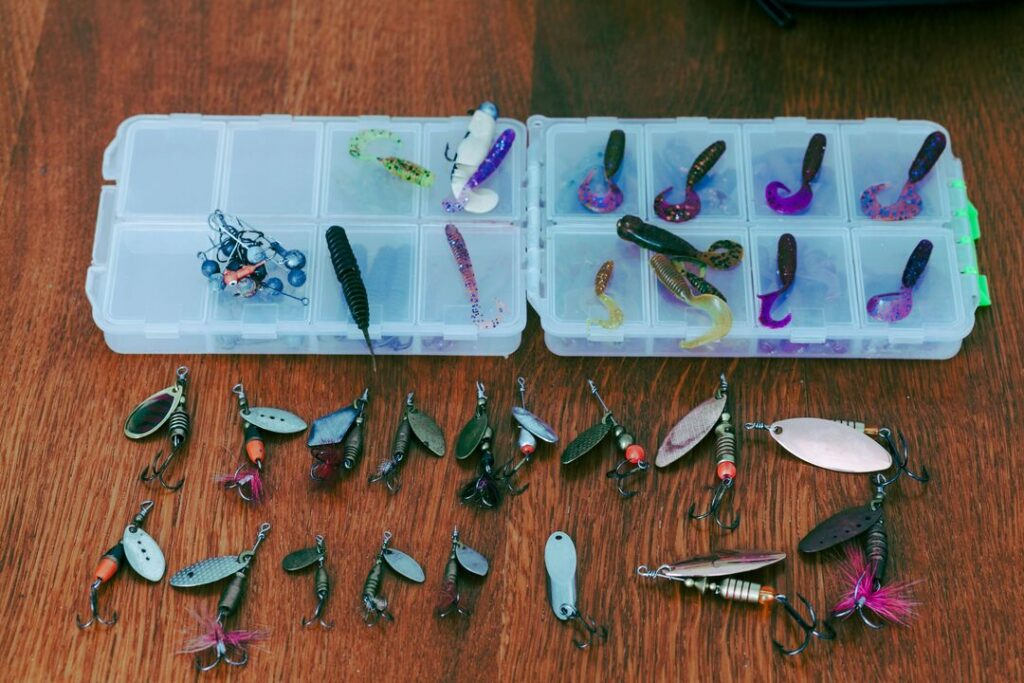
Once you’ve zeroed in on structure, it’s time to switch up your presentation. In deep water, a finesse approach often outperforms traditional tactics. Light lines, smaller baits, and subtle techniques are less likely to spook wary fish or become lost in the depths. Soft plastics on drop-shot rigs, vertical jigging with spoons, or using smaller live bait can make all the difference when the bite gets tough.
Finesse fishing is about reading subtle bites and being patient. Sink your offering right into the strike zone and be prepared for a lighter, more delicate take than you might expect in shallow water. Frequently, success depends on minimizing your bait’s action and keeping it near or just above the structure you’ve targeted.
Pro tip: Pay close attention to water temperature and current, as both have a major impact on fish location and activity in deeper water. Adjusting your tactics based on these variables can transform a slow day into a memorable one.
Trolling Deep: Covering Water and Finding Fish
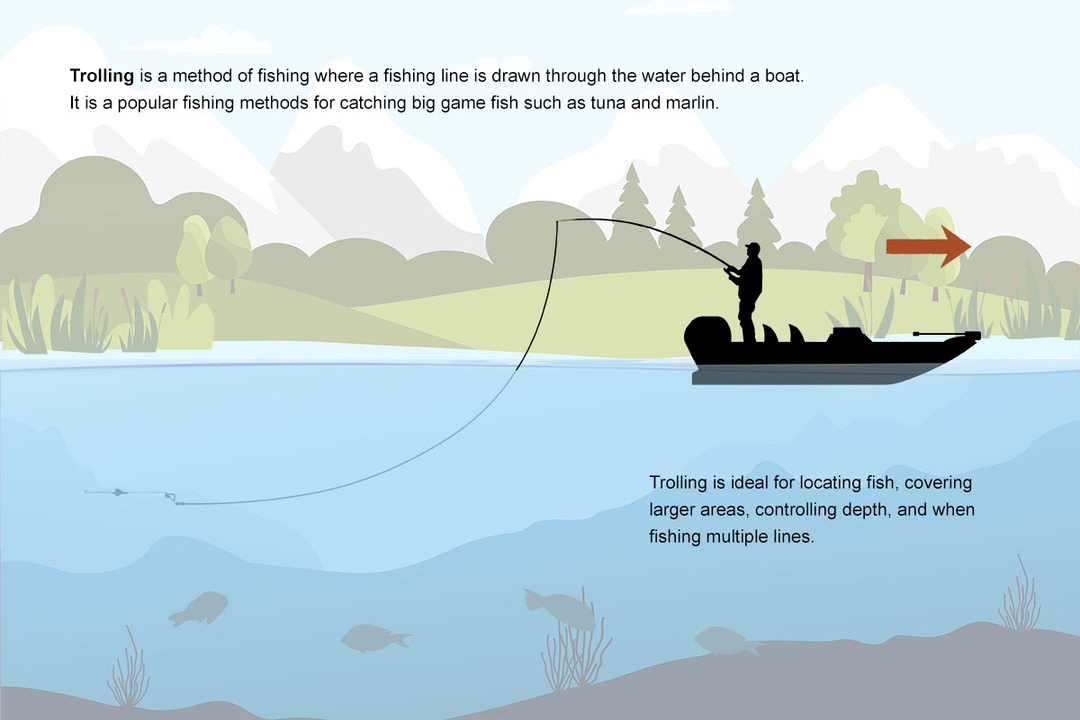
Trolling is a time-honored way to locate and catch fish suspended in the depths or scattered across vast amounts of water. By using deep-diving crankbaits, lead-core line, downriggers, or weighted rigs, you can present lures at specific depths over structure or open water you’ve identified as promising.
The key to effective deep-water trolling is precision. Use tools like depth charts, line-counter reels, and electronics to track exactly how deep your lure is running. Adjust speed, lure color, and presentation style until you find what triggers the fish. Trolling allows you to cover more water than static casting and helps discover where vertically and horizontally fish are holding.
While trolling may seem complex, there are accessible ways for almost any angler to put it to use. It’s a favorite tactic for lake trout, walleye, striped bass, and other deep-dwelling species.
Make Deep Water Your Best Friend
At first glance, deep water may seem mysterious or intimidating, particularly when early efforts yield little. But by focusing on finding structure, employing finesse techniques, and leveraging deep trolling methods, you can turn daunting depths into some of the most rewarding fishing on any body of water.
Every outing is a new puzzle these techniques help you assemble the pieces. With curiosity, a touch of patience, and application of the above approaches, you’ll soon discover that catching fish in deep water is not only possible but just might become your new favorite way to fish.


