
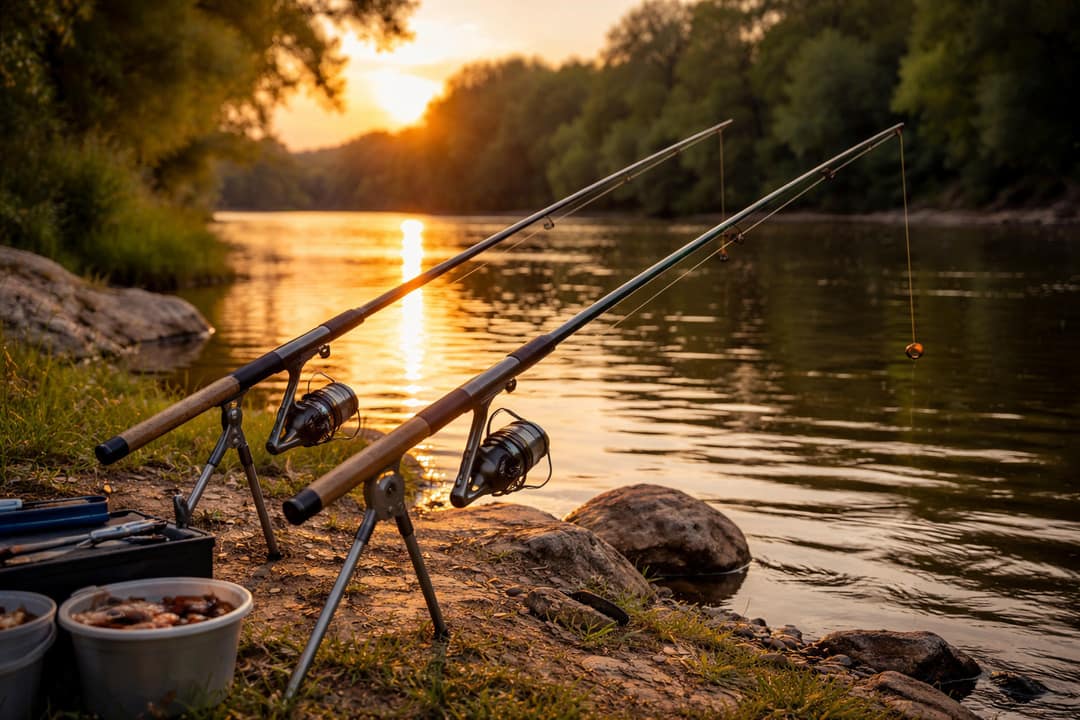

Bank fishing for catfish continues to stand out as one of the most accessible and rewarding methods for freshwater anglers in 2026. Without the need for a boat, expensive electronics, a topgear box, or an arsenal of complex gear, both beginners and seasoned anglers can enjoy impressive results by focusing on understanding where catfish hold, how they feed, and how to present bait effectively from shore.
Why Bank Fishing for Catfish Remains Effective
The effectiveness of bank fishing lies in catfish behavior. As bottom feeders, catfish are naturally attracted to shore-accessible areas, patrolling edges, drop-offs, and structures in search of food. Rivers, lakes, and reservoirs often feature these fish-holding zones near the shoreline, especially in areas shaped by current, submerged debris, or variations in depth.
Catfish frequently move into shallower water to feed during prime periods, making them ideal targets for shore-based anglers. Knowing this basic behavior pattern is essential for consistency. Rather than focusing solely on gear, successful bank anglers prioritize location recognizing that picking the right spot on the shoreline can dramatically increase their odds.
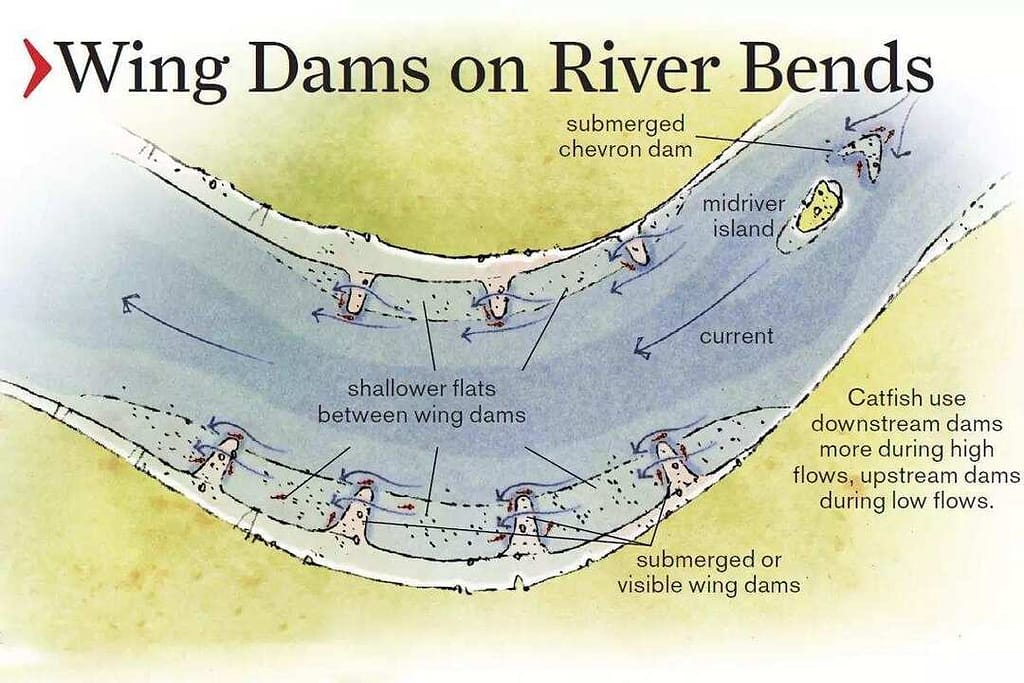
Look for river bends, points, and drop-offs, as well as areas near submerged logs and rocks. Bridges, docks, and any larger structures on the water can act as magnets, attracting baitfish and, subsequently, catfish. Even subtler depth changes along the shoreline can hold fish, so take time to observe the water’s contours and structure.
Choosing the Right Bait
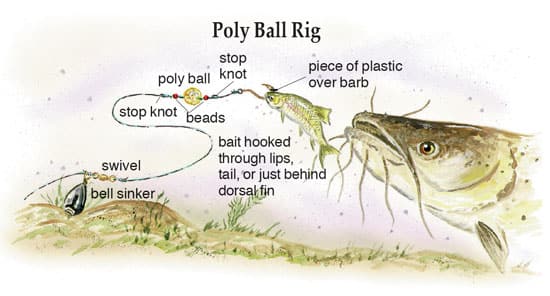
Bait selection is critical when fishing for catfish from the bank. Catfish rely on an exceptionally strong sense of smell; therefore, strong-scented baits are most effective.
Cut bait, using pieces of shad or locally available fish, is particularly effective in moving water, as the natural oils disperse and attract catfish. Live bait is another excellent choice, especially when targeting bigger fish. Prepared and stink baits are reliable, easy-to-use options, particularly for channel catfish in lakes and ponds.
Adapt your bait to the environment: what works well in a river may not be as effective in a lake or pond. Being flexible and willing to adjust your approach to the water’s conditions can yield better results.
Setting Up Gear for Bank Fishing
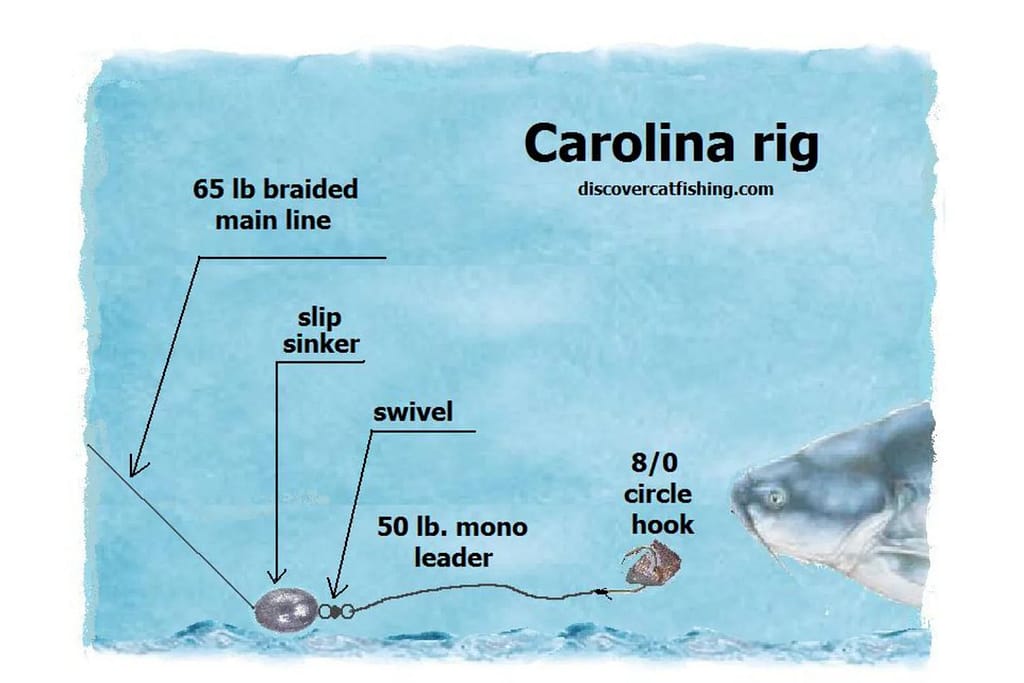
One of the greatest advantages of bank fishing is its simplicity. A medium-heavy to heavy rod paired with a strong, reliable reel will cover most catfish scenarios. Simple rigs like the Carolina rig or a basic slip sinker rig typically work best, keeping bait near the bottom while allowing catfish to take it without feeling too much resistance.
Rod holders are worth considering, as they enable you to fish multiple lines and keep everything secure, particularly when targeting large, hard-striking catfish. While you don’t need high-end gear, investing in comfortable and dependable basics can make your fishing sessions more enjoyable and productive.
Timing: When to Fish for Catfish
Knowing when to fish can be as important as knowing where. Catfish are often more active during evenings and nighttime, moving into shallow water to feed. Early mornings can also be productive, especially in warmer months.
Seasonal weather patterns matter, too. Summer often sees catfish dispersed and active, while cooler months might concentrate them in deeper holes. Adjust your fishing times and locations based on seasonal trends to maximize your potential for success.
Reading the Water Like a Pro
Bank fishing success often goes beyond simply casting and waiting. Observant anglers look for key signs that reveal where catfish may be feeding: moving currents, changes in water color, visible baitfish, or seams where fast and slow currents meet. Wind direction can also influence the gathering of food along certain banks, pushing bait and attracting catfish closer to shore.
By developing the habit of reading the water, you can identify productive areas more consistently and quickly adapt to changing conditions.

Avoiding Common Bank Fishing Mistakes
Even experienced anglers can fall into habits that hinder their success. Two of the most common mistakes are remaining in one unproductive spot for too long and using ineffective bait based on the current conditions. If you’re not catching fish, don’t hesitate to move, adjust your rig, or switch baits.
Patience is vital in fishing, but adaptability knowing when to make changes often makes the biggest difference between a slow day and a memorable catch.
The Power of Simplicity
Bank fishing’s greatest strength lies in its straightforwardness. Without the distractions of complex setups or electronics, anglers are encouraged to focus on the core factors: location, bait, and timing. Oftentimes, simple rigs and basic strategies outperform more technical approaches, especially when targeting opportunistic feeders like catfish.
This approach is welcoming for newcomers and still offers depth and challenge for experienced anglers seeking to fine-tune their tactics.
Final Thoughts: Consistency Through Fundamentals
Bank fishing for catfish proves year after year that fishing success isn’t about having the most expensive gear or advanced technology. Mastering the basics reading water, selecting the right bait, and timing your efforts remains the key to consistent catches from the shore.
No matter how fishing trends evolve, these time-tested techniques remain effective and accessible. Those willing to focus on solid fundamentals will find that bank fishing is not only a practical means to catch catfish but also one of the most enjoyable and satisfying ways to experience the sport. For anyone eager to boost their catch rate and enjoy fishing without the complications of bells and whistles, the basics still deliver in 2026.


