
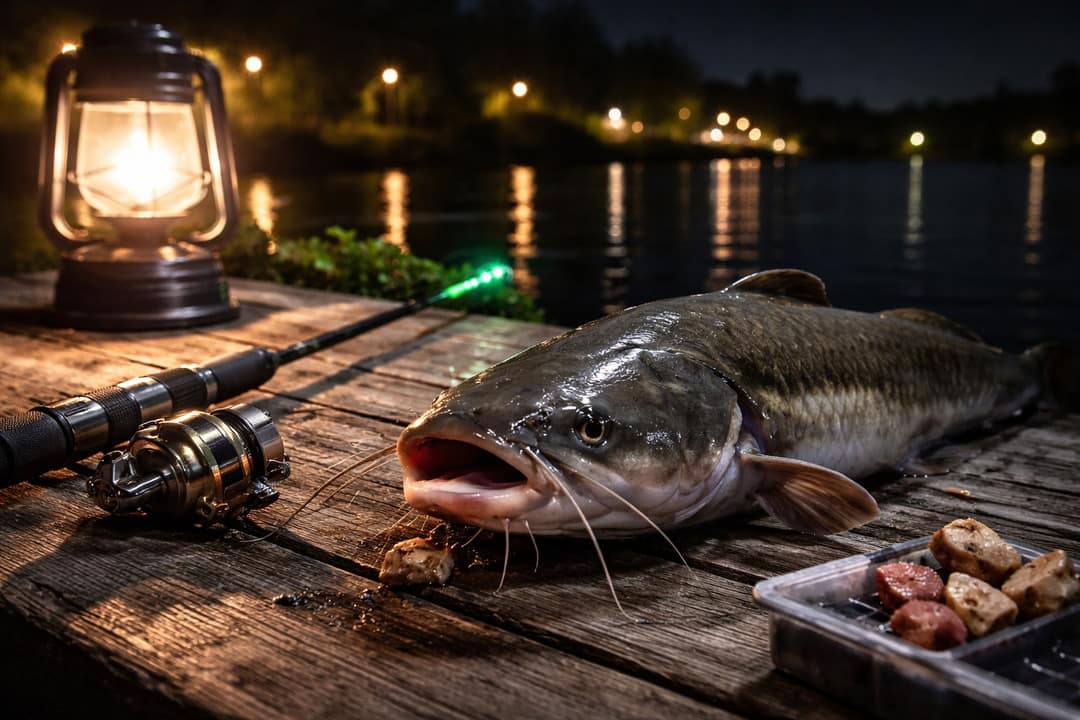

When the Florida sun sets and the waterways quiet down, something shifts beneath the surface. While many anglers pack up for the day in search of a late meal at places like Bass Lake Roadhouse, experienced fishermen know that the real action is just beginning. Night fishing for catfish isn’t just a different experience it’s often a far more productive one.
Across Florida’s rivers, lakes, and canals, catfish become more active after dark, creating prime conditions for anglers looking to land bigger and more aggressive fish. Understanding why this happens and how to take advantage of it can completely change your success on the water.
Why Catfish Thrive After Dark
Catfish are naturally adapted to low-light environments. Unlike many species that rely heavily on vision, catfish use their highly sensitive barbels often referred to as whiskers to detect food through scent and vibration.
At night, this advantage becomes even more pronounced. With reduced light, prey species become less aware of their surroundings, while catfish continue hunting efficiently. This gives them a clear edge and encourages more aggressive feeding behavior.
Another factor is temperature. Florida’s daytime heat can make fish less active, especially in shallow waters. As temperatures drop in the evening a time when anglers embrace the heritage of night fishing in these waters catfish become more comfortable and begin to move more freely in search of food.
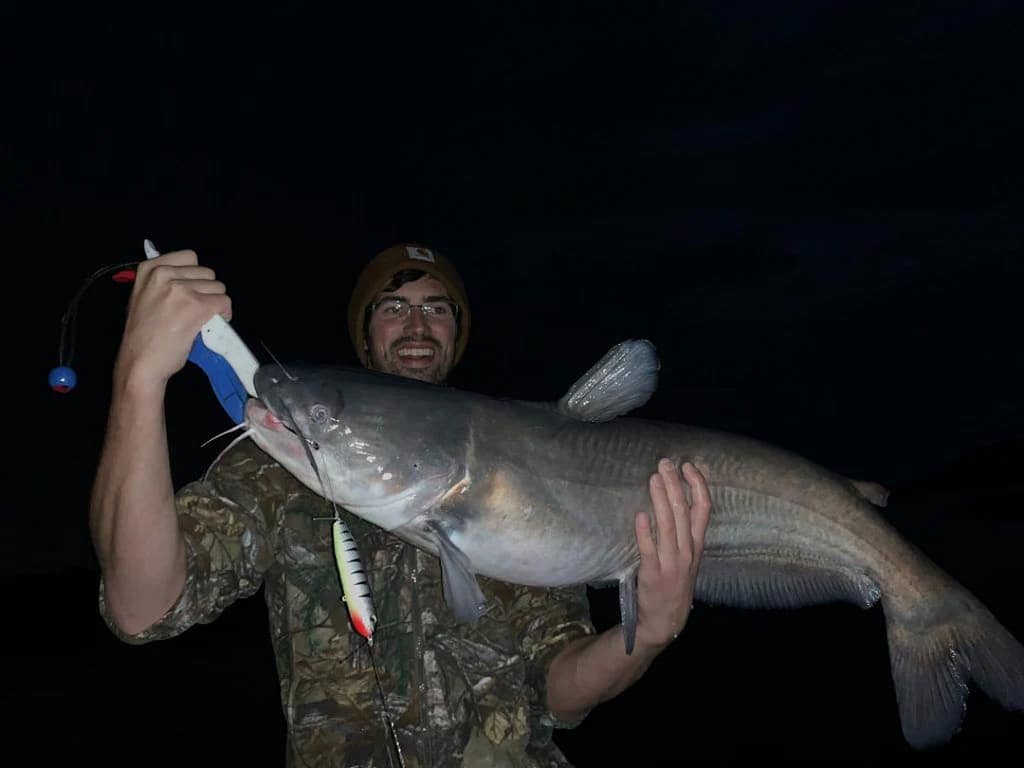
Less Pressure, More Opportunity
One of the most overlooked advantages of night fishing is the reduction in fishing pressure. During the day, popular spots can become crowded, with noise and activity pushing fish into deeper or less accessible areas.
At night, these disturbances fade. Boat traffic slows, shorelines quiet down, and the water becomes calmer. This creates a more natural environment, allowing catfish to roam and feed without hesitation.
For anglers, this means better chances of hooking fish that might otherwise be cautious or inactive during daylight hours.
Choosing the Right Location
Florida offers a wide range of catfish habitats, and many of them come alive at night. Rivers like the St. Johns, large lakes such as Okeechobee, and even local canals can all produce excellent results after dark.
The key is to focus on areas where catfish are likely to feed. Look for spots with structure, such as submerged logs, drop-offs, or channel edges. These locations often serve as feeding zones where catfish gather in search of easy meals.
Shallow flats near deeper water can also be productive at night. Catfish frequently move into these areas to hunt, especially when conditions are calm.
Bait Selection Makes a Difference
When it comes to night fishing, scent is everything. Since visibility is limited, catfish rely heavily on smell to locate food.
Natural baits like cut fish, shrimp, and chicken liver are highly effective because they release strong scents into the water. Live bait can also work well, especially in areas where catfish are actively hunting.
The goal is to create a scent trail that draws fish toward your hook. The stronger and more natural the scent, the better your chances of attracting attention.
Gear That Works After Dark
Fishing at night requires a slightly different approach to gear. Visibility is reduced, so having the right setup can make a big difference.
Rods with sensitive tips help detect subtle bites, while heavier lines provide the strength needed to handle larger fish. Many anglers also use glow sticks or LED bite indicators to make it easier to see when a fish strikes.
Lighting is another important consideration. A reliable headlamp or lantern not only helps with visibility but also keeps your hands free for handling gear and fish.
Patience and Timing
Night fishing often rewards patience. While catfish can be more active, bites may come in bursts rather than a steady stream. Staying in one spot long enough to allow scent to spread through the water can increase your chances of success.
Timing also plays a role. The period just after sunset and the hours leading up to midnight are often the most productive. However, early morning hours can also produce results, especially in quieter locations.
Understanding these patterns can help you plan your trips more effectively.
Safety Should Never Be Overlooked
Fishing at night comes with its own set of challenges. Reduced visibility means it’s easier to lose track of surroundings, especially near water.
Wearing proper footwear, keeping gear organized, and using adequate lighting can help prevent accidents. If you’re fishing from a boat, ensure all safety equipment is in place and functioning.
It’s also a good idea to let someone know your location and expected return time. Taking these precautions allows you to focus on fishing without unnecessary risks.
The Unique Experience of Night Fishing
Beyond the practical advantages, night fishing offers an experience that’s hard to match. The calm atmosphere, cooler temperatures, and sounds of nature create a different kind of connection to the water.
For many anglers, it’s not just about catching fish it’s about enjoying the environment in a way that daytime fishing doesn’t always allow.
This combination of productivity and atmosphere is what makes night fishing so appealing.
Final Thoughts
Night fishing for catfish in Florida is more than just a technique it’s a strategy that can significantly improve your results. By taking advantage of catfish behavior, reduced pressure, and optimal conditions, anglers can increase their chances of landing bigger catches.
The key is understanding how these factors come together and adapting your approach accordingly. With the right bait, location, and mindset, fishing after dark can become one of the most rewarding experiences on the water.
As the sun goes down, the opportunity begins. And for those willing to stay out a little longer, the rewards can be well worth it.


