
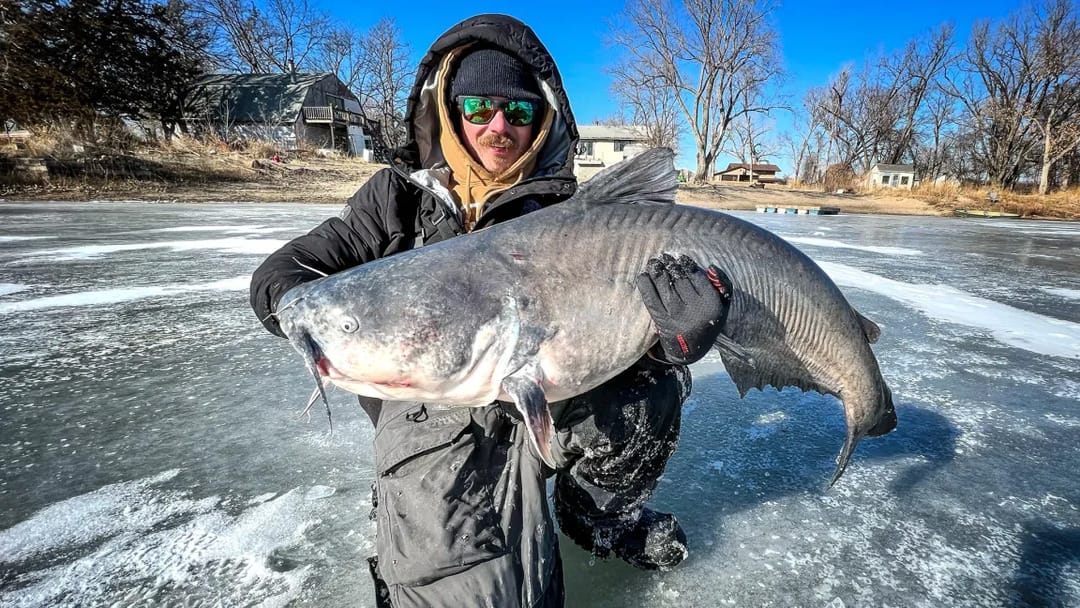

For many anglers, colder months once meant slowing down or packing away their rods. But in 2026, that mindset is changing. Catfish enthusiasts are showing that fishing in winter and early-year conditions can yield some of the biggest catches of the entire season.
As water temperatures drop, catfish often become more selective and predictable, but they never truly stop feeding. This opens new opportunities for anglers who are ready to adapt their approach. With the right strategy, cold water catfishing isn’t just productive it can be downright exceptional.
Understanding Catfish Behavior in Cold Conditions
Success begins with understanding how catfish react when the mercury falls. In cold water, catfish slow their metabolism, meaning they conserve energy and spend less time moving. Instead of roaming, they gather in specific areas that offer stable conditions.
Deep holes, channel edges, and slower-moving sections of rivers become hotspots as catfish search for moderate temperatures and accessible food. Feeding patterns also change: although catfish may eat less frequently, they become more methodical in their feeding. Timing and precise bait presentation are essential for success.
Why Location Matters More Than Ever
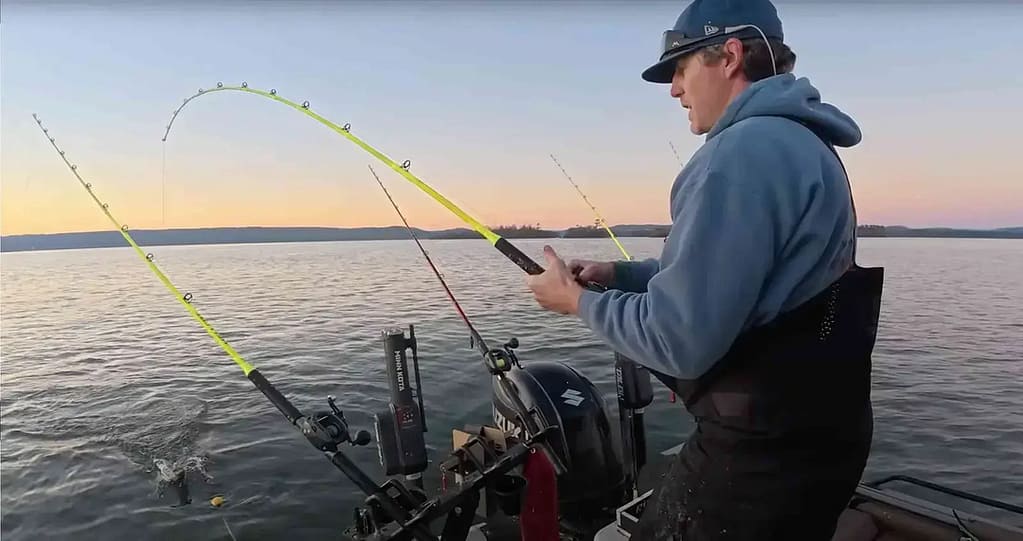
One of the defining trends for early 2026 is the increased importance of precise location targeting. Finding fish can be more crucial than choosing the perfect bait or technique.
- Deep Water: In lakes and reservoirs, look for catfish holding in deeper zones where temperatures are less variable.
- Rivers: Focus on bends, drop-offs, and areas with reduced current.
- Structure: Submerged logs, rock piles, and ledges are attractive to catfish and the baitfish they pursue.
Savvy anglers are using sonar, mapping software, and personal experience to consistently locate and target these key areas outperforming those who simply fish by chance.
Slowing Down for Best Results
Cold water requires a shift in pacing. Fast, aggressive presentations that entice strikes in summer often fall flat in winter. Instead, slowing everything down is the way to go.
- Let baits soak for longer periods with minimal movement.
- Use patient, subtle presentations that match the fish’s slower activity.
- Allow bait to remain naturally in high-probability spots, giving catfish time to notice and commit.
During colder months, patience becomes an essential part of your strategy.
Choosing the Right Bait for Cold Water
With catfish less active, bait selection takes on new importance. The most effective baits often have a strong scent and natural appeal.
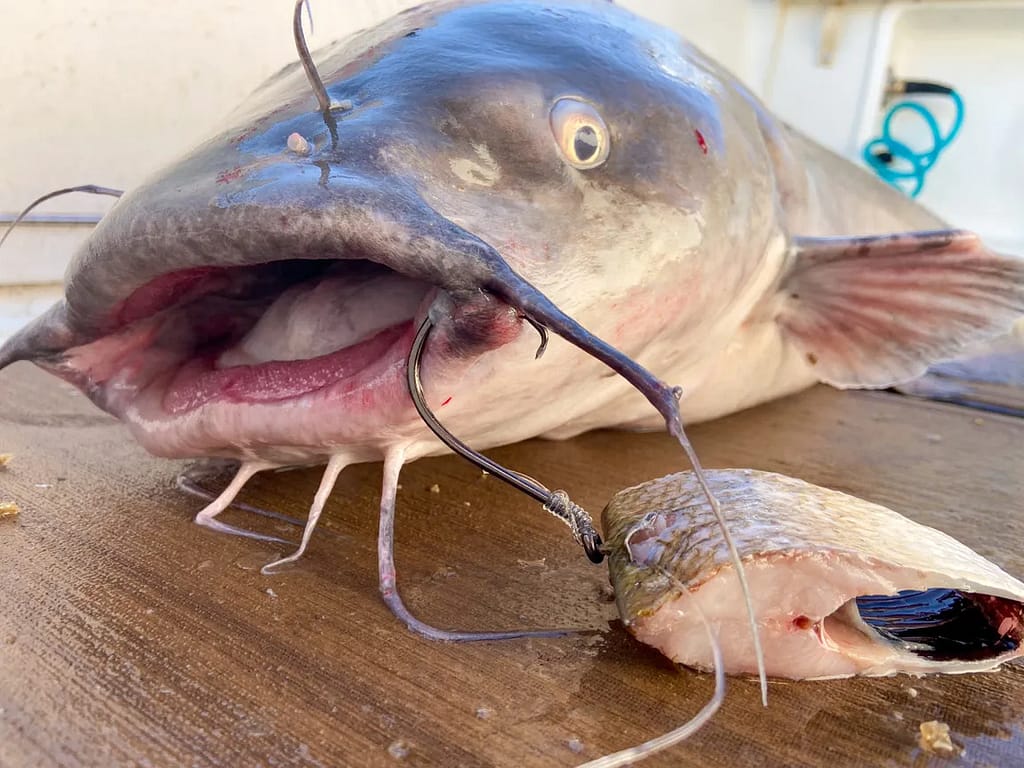
- Cut Bait: Remains a top choice, especially when sourced from local species. Its scent disperses effectively even in cold water.
- Live Bait: Works well in areas where catfish remain willing to chase a sluggish target.
- Prepared & Stink Baits: Can still be productive, but in cold, clear water, overpowering scents aren’t always necessary.
The goal is to present a meal that feels easy and rewarding for a catfish that isn’t overly active.
Timing Your Fishing Trips
Timing can be everything in cold water catfishing. While fish are catchable throughout the day, certain periods influence activity:
- Warmer Hours: Late morning to early afternoon often triggers increased feeding, even with small temperature upticks.
- Stable Weather: Consistent weather over several days improves the chances of active fish.
- Night Fishing: Still possible, but may require more patience in winter months.
Pay close attention to local conditions and tailor your trips accordingly.
The Role of Technology in Modern Catfishing
In 2026, technology is transforming cold water catfishing. Sonar and fish-finding devices are more advanced than ever, helping anglers pinpoint exact holding spots, understand fish depth, and locate schools of baitfish.
However, technology is only as good as the angler interpreting it. Combining electronic tools with traditional skills and careful observation results in the most consistent success.
Why Bigger Catfish Are Being Caught in Winter
One of the year’s most exciting trends is the prevalence of trophy-sized catfish during the cold months. Larger fish, which are cautious in warm water, can be easier to target when they congregate in predictable locations and move less frequently.
- Lower fishing pressure and competition during winter benefit those who venture out.
- Stationary catfish in known areas are more accessible to patient, persistent anglers.
These conditions create outstanding opportunities for landing record-setting catches in what was once considered the “off-season.”
Final Thoughts: Turning Cold Conditions Into Opportunity
Early 2026 is proving that cold water catfishing is no longer a waiting game it’s a strategic pursuit full of potential. Anglers who understand fish behavior, invest in location scouting, adjust presentations, and choose the right bait are discovering impressive results.
With a patient approach, the right tools, and a willingness to adapt, winter fishing is revealing itself as a prime time for catfish and a new favorite season for those who crave big catches and memorable days on the water.


