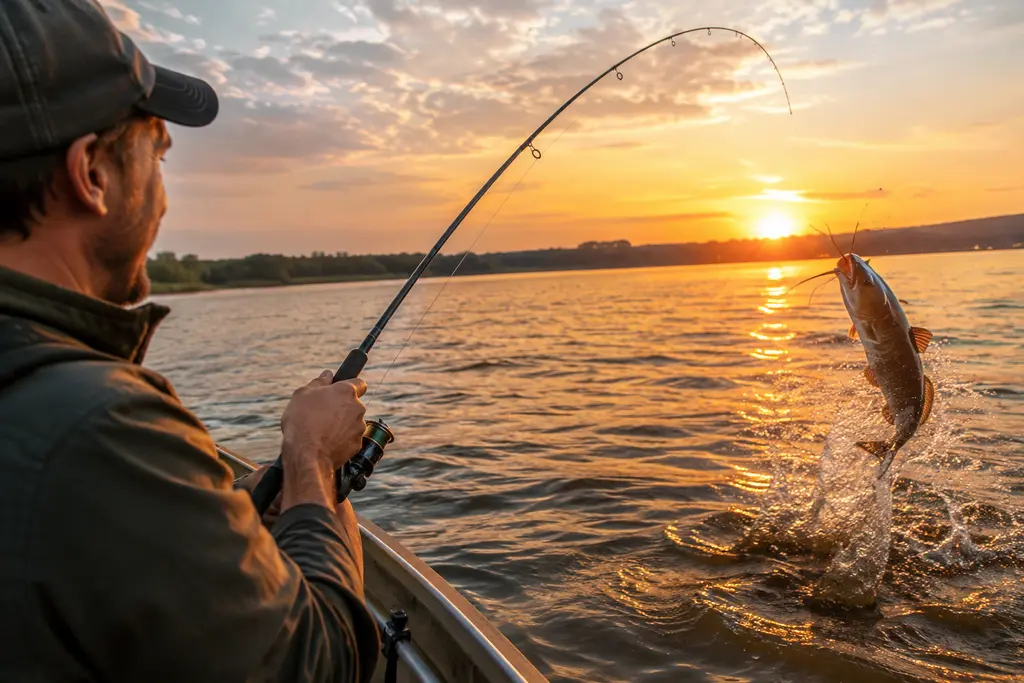
Maryland Catfish Regulations are not the headline target of Maryland DNR’s latest tournament proposal, but catfish directors should still pay close attention. I’m Wyatt McKenzie, and from a fish-behavior and tournament-operations angle, this is the kind of rule signal that can affect check-in flow, boat counts, catch documentation, harvest plans, and how you brief anglers before launch.
As of November 2, 2026, the most direct tournament proposal applied to Black Bass events, not catfish events. Still, organizers who run mixed-species series, invasive-fish events, or shared weigh-in operations should treat it as a planning cue. The proposal showed DNR interest in how tournaments are permitted and documented, including formats that do not use a traditional weigh-in stage.
What The Maryland Proposal Actually Says
Black Bass Events Set The Immediate Permit Question
Maryland DNR proposed requiring Black Bass tournaments with ten or more participating boats to obtain a tournament permit, even without a formal weigh-in location. The same proposal included catch-photo-release and catch-weigh-release formats, which matters because modern events often measure success through digital submissions instead of a single dockside scale Maryland DNR regulation changes.
The public comment deadline for that proposal was scheduled for 11:59 p.m. on November 2, 2026. If you were reading and acting on that date, that was the window for submitting input. For planning after that date, the safer habit is to check the DNR regulation changes page before publishing any Maryland event rules, especially if your series uses shared launches, CPR scoring, or multiple species divisions.
Why Catfish Directors Should Track A Bass Rule
Good tournament directors study rules outside their own target species because agencies often build systems one fishery at a time. That does not mean catfish permits automatically changed. It means the organizing behaviors DNR is watching are clear: boat count, event format, catch handling, release method, and whether the event has a central weigh-in site.
From a fish-psychology standpoint, the key lesson is control. Tournament pressure changes angler decision-making. If the rules are fuzzy at the ramp, anglers start guessing under stress. A clear director’s packet reduces panic decisions, improves fish handling, and keeps teams from changing their plan mid-event because someone heard a different interpretation on the dock.
Maryland Catfish Regulations And The Permit Signal
What Maryland Catfish Regulations Do Not Change
For blue catfish, the current recreational framework remains favorable for harvest-oriented tournament formats. Maryland DNR states there are no size limits, catch limits, or closed seasons for blue catfish in Maryland recreational fishing, and DNR promoted 2026 catfish tournaments as part of invasive removal efforts DNR catfish tournament announcement.
That matters for directors because blue catfish events can be built around removal without the same bag-limit math that shapes many sportfish tournaments. Even so, do not let “no size limit” turn into loose operations. You still need legal gear, clear boundaries, safe fish storage, accurate scoring, and a plan for what happens to harvested fish after weigh-in.
Commercial Sale Proposals Need Careful Boundaries
Maryland DNR also considered allowing properly licensed commercial harvesters to sell invasive species such as blue catfish, flathead catfish, and Chesapeake channa when those fish are collected through fish lifts. A fish lift is a system where fish gathering below dams are mechanically lifted upstream. That proposal is not a blanket green light for recreational teams to sell fish from a weekend tournament.
For Maryland Catfish Regulations, the practical move is simple: separate recreational tournament rules from any commercial-harvest discussion. If your event partners with commercial operators, document who is licensed, how fish are collected, where fish are held, and which part of the operation belongs to the tournament versus a commercial activity. If you cannot explain that chain cleanly, your anglers will not be able to either.
Building A Cleaner Tournament File
Use A Permit-Ready Event Folder
A catfish tournament director should be able to hand over a tight event folder without scrambling through texts and social posts. Build one master document for each event and update it as DNR posts changes. If your tournament grows from nine boats to ten or more, you should already know whether that threshold matters for your format or for any species division attached to the same event.
Use this structure before registration opens:
- Event format: harvest, live weigh-in, CPR, catch-weigh-release, or mixed format.
- Boat count: projected entries, final entries, late entries, and no-shows.
- Species rules: blue catfish, flathead catfish, channel catfish, bass side pots, or invasive-species divisions.
- Gear check: confirm that only legally authorized gear is allowed, especially after Maryland’s gear clarification became effective on August 31, 2026.
- Fish disposition: donation, personal harvest, processor delivery, or other lawful endpoint.
- Records: team names, boat numbers, launch time, check-in time, catch totals, and photo records when used.
If you also host events outside Maryland, keep your rules separate by state. A shortcut copied from another tournament can create trouble fast. For a broader planning angle, review how catfish regulation changes can shift event tactics before anglers ever launch.
Write Rules For The Ramp, Not The Desk
Rules need to survive cold fingers, wind noise, low light, and a line of boats waiting to launch. Put the most operational details at the top: eligible species, scoring method, off-limits water, legal gear reminder, check-in time, tie-breaker, and fish-handling expectations. Save long policy language for the full packet, but give anglers a one-page ramp sheet they can read in two minutes.
That is not just paperwork. Fish behavior rewards teams that commit to a plan. If anglers spend the first hour debating rules, they miss timing windows and make sloppy location choices. A well-briefed team can focus on current, depth, bait placement, and boat control instead of wondering whether a photo submission or harvested fish will count.
Catfish Event Tactics Under Current Rules
Design Harvest Events Around Flow
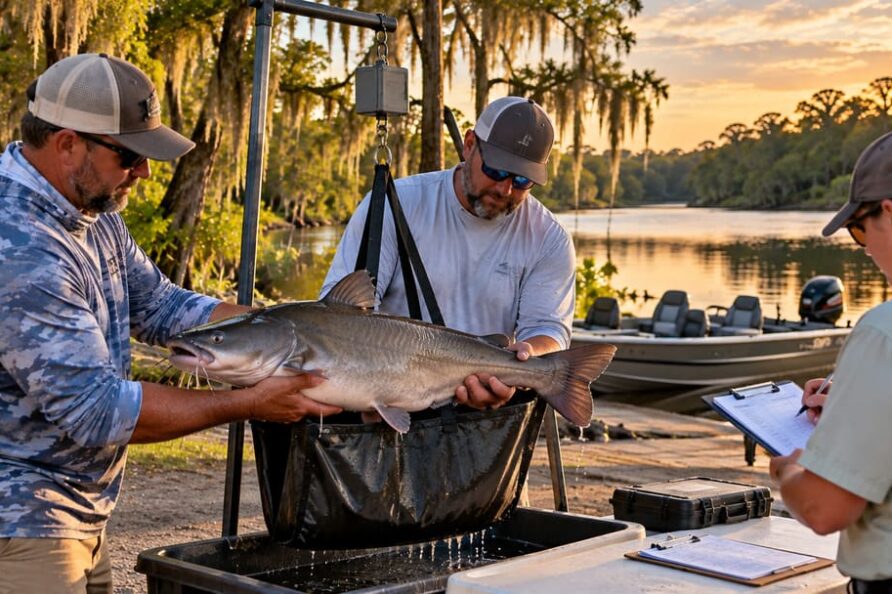
Because Maryland allows recreational blue catfish harvest without size or catch limits, directors can design events that move fish efficiently from boat to scale to final use. Think through the physical path before launch day. Where do trucks stage? Where do coolers go? Who verifies team numbers? Who records weights? Who controls the line so fish are not sitting longer than needed?
Invasive-focused catfish events often attract anglers with different skill levels. Some teams are seasoned river crews; others may be new to big-catfish harvest. Your pre-event briefing should cover acceptable containers, ice expectations if used, check-in etiquette, and what happens if a team brings in a species outside the tournament rules. Clean instructions keep the weigh station from turning into a guessing contest.
Plan For CPR Or Hybrid Formats Before They Are Needed
The Black Bass proposal specifically recognized CPR and catch-weigh-release formats. Catfish organizers should take that as a cue to tighten digital scoring before a rule forces the issue. If you use photos, define the measuring board, photo angle, identifier card, timestamp expectation, and what makes a submission invalid. If you use a hybrid format, explain which fish are harvested and which are documented by photo.
Do not wait until a protest to decide how clear a picture must be. Anglers under pressure see what they want to see; directors need standards that remove emotion. A clean photo protocol protects the field, protects the director, and keeps the focus on fishing skill.
Maryland Catfish Regulations For Tournament Day
Maryland Catfish Regulations should push organizers toward better habits, not fear. The immediate 2026 proposal focused on Black Bass tournament permitting, while blue catfish tournaments continued to benefit from a harvest-friendly recreational framework. The smart response is to build catfish events as if DNR could ask for a clear record tomorrow.
Before your next Maryland event, verify the DNR regulation page, record your boat count, define your format, brief legal gear, and document where harvested fish go. That routine helps directors protect anglers, keep events credible, and support the invasive-species removal goals that Maryland has already promoted through 2026 catfish tournament efforts.