Fishing regulations changes can turn a solid catfish plan into a messy one if you treat every lake, river, and border water the same. Catfish anglers are used to adjusting bait, depth, current, and boat position. The same discipline now needs to apply to creel limits, length limits, special regulation areas, and legal methods before the first bait hits bottom.
As of August 25, 2026, the research notes show several catfish rule shifts that had already taken effect across the United States, plus one Mississippi proposal that had not yet appeared finalized. For sport fishing teams, weekend anglers, and harvest-minded families, the practical lesson is simple: build rule checks into your fishing routine just like charging batteries, checking hooks, and icing bait.
Fishing Regulations Changes That Alter Catfish Tactics
Catfish rules are no longer something to skim once at the start of a license year. Some changes are broad statewide limits. Others are tied to a single lake, a named river section, a shared boundary water, or even a harvest method such as hand-fishing. That matters because tactics change once the legal target changes.
Track Fishing Regulations Changes By Water
The Iowa example is a good reminder that short-term rule changes can be tied to fishery work, not just long-term harvest policy. On April 29, 2026, the Iowa DNR announced that bag and length limits were lifted for channel catfish and other species at Lake LaVerne before a planned lake draining for restoration, and that relaxed period ran until May 15, 2026, according to the Iowa DNR notice. Because that window had already passed by August 25, 2026, anglers should treat it as a completed special case, not as a rule that still applies.
That single-water timing is the lesson. If you fish tournaments, family harvest trips, or scouting runs across several waters, do not assume yesterday’s lake rule applies at the next ramp. A printed regulation book in the glove box helps, but it can lag behind special notices. A pre-trip check of the named water is the cleaner habit.
Build Species Limits Into Rig Decisions
West Virginia’s 2026 special regulation areas show how species and size can change the plan. For waters in the Ohio River Reciprocal Agreement, the listed rules include a daily creel limit of four flathead catfish, with only one over 35 inches, and four blue catfish with a 25-inch minimum size and one over 35 inches on the Kanawha and Ohio rivers; hand-fishing for catfish is also subject to those limits in the listed material from West Virginia fishing regulations.
That kind of structure affects tackle and handling. If your goal is a legal meal of channel cats, your bait size, hook gap, and set location may look different from a trophy blue catfish hunt. If the water allows only one oversized fish in a category, the crew needs a plan before the bite: measure fast, decide fast, and release strong fish cleanly when they do not fit the day’s legal goal.
Tactic Shifts When Limits Change
Several 2026 updates in the research notes point in different directions. Some waters loosened harvest limits. Others added or clarified size-based limits for larger catfish. The smart angler does not treat those changes as paperwork. They shape where you fish, what you keep, and how you manage livewell or cooler space.
Harvest Rules Change Fish Handling
Arizona lifted the daily bag limit for catfish at Lakes Mead and Mohave from 10 to 25 catfish on January 16, 2026, aligning with Nevada rules for those shared waters. Virginia removed creel limits for blue catfish in the tidal Rappahannock and York rivers and in the James River below the freshwater-saltwater boundary effective January 1, 2026. Kentucky removed a 4-fish daily catfish limit in certain lakes and ponds for 2026–2027, with those waters following statewide rules.
For anglers, a higher limit does not mean sloppy boat work. It means the crew should be even more organized. Bring enough ice, separate species if local practice or inspection needs call for it, and keep fish in countable condition. If kids or new anglers are aboard, assign one adult to count every kept fish aloud. A legal harvest day can still go sideways if fish are mixed, miscounted, or measured after the cooler is already crowded.
Slot-Style Thinking For Trophy Catfish
Other updates put the attention on larger fish. Illinois rules effective June 1, 2026, included a 15-inch minimum for various catfish species in most waters, and on the Ohio and Wabash rivers allowed only one channel catfish at least 28 inches, one blue catfish at least 35 inches, and one flathead catfish at least 35 inches per day to be harvested. Mississippi’s Senate Bill 2660, effective July 1, 2026, classified wild freshwater catfish in the Mississippi River as game fish and set a rule allowing no more than one catfish over 34 inches per day; farm-raised catfish were exempt in the research notes.
That pushes anglers toward cleaner trophy routines. Keep a rigid measuring board where it can be used without stepping over rods. Wet the board before placing a large fish on it. Decide before the trip whether your goal is harvest, photos, or catch-and-release scouting. If the legal limit allows only one big fish, the first oversized fish kept may end the trophy harvest part of the day.
Pre-Trip Regulation Routine For Catfish Teams
A strong catfish plan now starts before the bait shop. Weather, water level, and moon talk get plenty of dockside attention, but fishing regulations changes deserve the same first-hour planning slot. If you are crossing state lines or fishing border rivers, make the rule check a team task rather than one person’s memory test.
Check Date, Water, Species, And Method
The Kansas hand-fishing rule in the research notes is a perfect example of method-specific planning. From June 15 through August 31, 2026, in posted areas statewide, hand-fishing for flathead catfish was allowed during daylight from sunrise to sunset, required a special permit, and prohibited hooks, lures, or artificial devices. Since August 25, 2026, fell within that date window, method and timing mattered for anyone planning that style of trip.
- Check the exact date of your trip, not just the license year.
- Confirm the named lake, pond, river, or river section.
- Separate blue, channel, and flathead limits in your notes.
- Write down length rules before you rig rods.
- Check whether hand-fishing, bank poles, or other methods have separate rules.
- Recheck special notices before long drives or tournament travel.
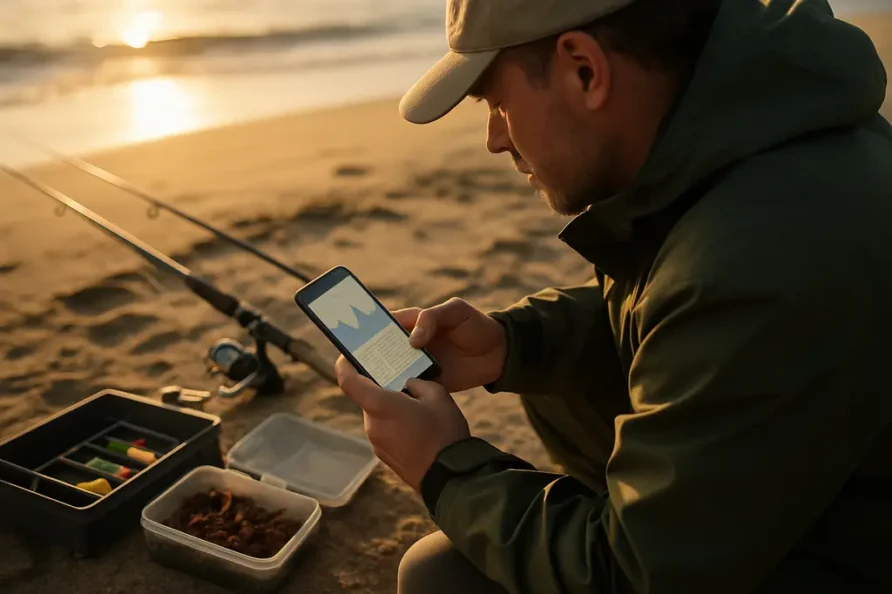
For Florida anglers who bounce between rivers, Fish Management Areas, and local ponds, a phone-based rule check can be part of the same routine as maps and weather; this same habit pairs well with a fishing rules app before the cooler leaves the truck.
Gear And Boat Habits That Keep You Legal
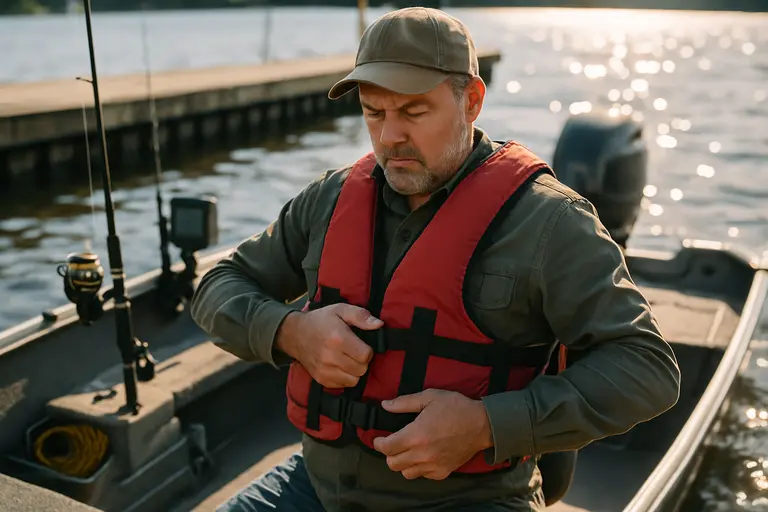
Good gear is not only rods and reels. For regulation-aware catfish anglers, the legal kit includes measuring tools, a way to record fish, and enough organization that nobody has to guess after dark. That is especially true during fast bites, tournament pressure, or family trips where several people are catching at once.
Mark Lengths Before Lines Get Wet
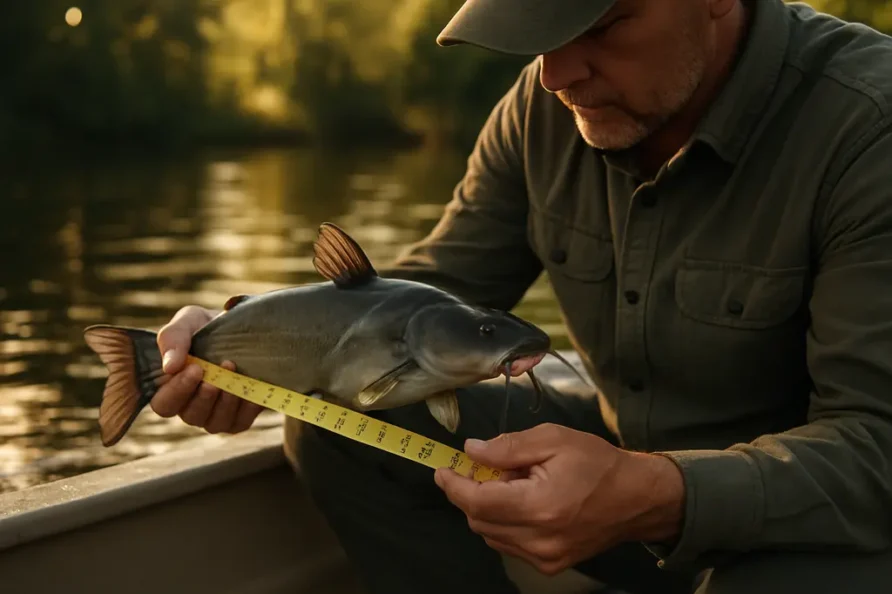
Mark key lengths on a hard measuring board before the first drift or anchor set. If your water has a 25-inch minimum, a 34-inch trophy threshold, or a 35-inch over-size line, make those marks obvious. Do not rely on rod decals, cooler lids, or memory. Catfish twist, slime the deck, and punish rushed measuring. A clear board saves time and helps fish go back faster when they need to be released.
Keep pliers, gloves, a landing net, and a camera ready so a legal decision does not become a scramble. If the fish is close to a limit line, measure it twice with the mouth and tail positioned consistently. If the fish does not clearly meet the rule, let it swim. That habit protects the angler, the fishery, and the reputation of catfish crews who take sport fishing seriously.
Assign A Rule Caller
On a team boat, one person should be the rule caller for the day. That angler tracks the count, species, and size decisions while the rest of the crew runs rods and boat position. In tournament-style fishing, this is no different from assigning someone to net fish or watch electronics. Clear roles reduce mistakes.
Missouri’s 2026 statewide limits in the research notes give a simple example of why role clarity helps: blue catfish daily limit 5 with possession 10, channel catfish daily limit 10 with possession 20, and flathead catfish daily limit 5 with possession 10, except where special rules apply. Once special rules enter the picture, the rule caller keeps the boat from mixing general limits with water-specific limits.
Fishing Regulations Changes For Better Catfish Trips
The best catfish anglers adjust quickly. They change sinker weight when current picks up, move bait when fish slide, and alter hook size when short bites start. Apply that same mindset to fishing regulations changes. A rule shift is not just a legal footnote; it is part of the pattern for the day.
Before your next catfish trip after August 25, 2026, build a short rule briefing into the plan: date, water, species, size, count, and method. If a proposal appears in agency notes, like the Mississippi live catfish possession and transport restriction proposed at the April 2026 MDWFP meeting for live catfish 34 inches or larger, treat it as uncertain until finalized. Fish hard, measure clean, and make the regulation check part of being a sharper sport angler.