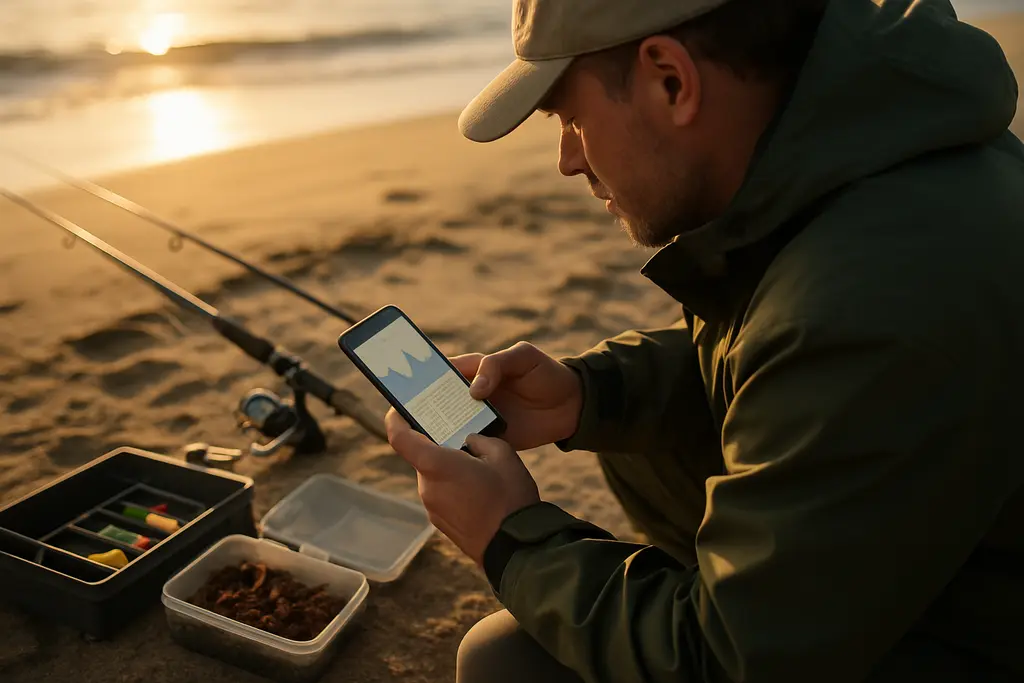
The 2026 surf fishing challenge at Pleasure Island rewards anglers who show up with more than a lucky rod and a cooler full of bait. As of October 12, 2026, the event is still ahead, with competition scheduled for October 16–18, 2026, according to the official tournament page. That gives you a short but useful window to tighten your gear, choose a realistic species plan, and think through how you will fish changing light, tide, wind, and beach structure.
I like planning for a fall surf event the same way I prep for a hard-fished boat day: remove the sloppy variables before the first cast. That means leaders tied, reels checked, bait strategy settled, rain gear packed, and a plan for where you will stand when the beach gets crowded. Pleasure Island can make you earn it. The angler who stays organized gets more clean presentations in the water.
Surf Fishing Challenge Planning Timeline
Surf Fishing Challenge Dates And Entry Decisions
The first planning call is simple: confirm your entry status and any side options before you spend another dollar on tackle. The listed entry fee was $75 per angler if registered by October 5, 2026, and $85 after that date; the optional Slot Red Drum TWT carried a separate $25 entry fee, also listed by the event organizer on the event information. If you are entering after the early deadline, build that higher fee into the trip budget instead of shaving money from bait, terminal tackle, or weather protection.
For this surf fishing challenge, I would split prep into three short work blocks. First, handle paperwork and rules. Second, rig tackle at home where your hands are dry and your headlamp is not buried in a truck box. Third, make a beach plan that can change with conditions. Tournament surf fishing has a funny way of exposing every shortcut. If your shock leader is questionable in the garage, it will not become trustworthy in a northeast wind.
Pack By Fishing Windows, Not Wishful Thinking
Dawn and dusk deserve special attention in fall surf plans. The research notes point to the hour before sunrise through the first two hours of light, plus the last hour before sunset through twilight, as high-value windows on many North Carolina beaches. Incoming tide, especially the final part of the rise through the first hour around high water, is also identified as productive for surf zones. Treat those windows like tournament periods inside the tournament. You do not want to be tying a rig, changing clothes, or searching for pliers during the best light of the day.
My practical move is to build two small terminal tackle packs: one for bottom rigs and one for quick changes. Put sinkers, swivels, beads, hooks, and leader material where you can reach them with wet hands. If the surf builds and a 3-ounce sinker starts rolling, you can step up without tearing apart the whole cart.
Build A Beach Kit That Holds Bottom
Rod, Reel, Line, And Leader Choices
A smart surf fishing challenge kit should cast far enough to reach clean water, but it also has to hold up to repeated rebaiting, sand, spray, and wind. The research notes recommend a 10- to 11-foot medium-heavy surf rod paired with a 4000- to 6000-size reel. That setup gives most anglers enough rod length for distance and enough backbone for heavy sinkers, larger bait, and a serious red drum or bluefish.
For line, the notes call for 20- to 30-pound braid and a heavier 40- to 60-pound leader when targeting larger predatory fish or fishing rougher surf. I like braid for bite feel and line capacity, but it punishes sloppy knots. Retie any connection that looks flattened, frayed, or burned. Surf sand is not kind. Neither are bluefish teeth, shell hash, or a fish that turns sideways in the wash.
| Gear Piece | Practical Setup | Why It Helps |
|---|---|---|
| Surf Rod | 10–11 foot medium-heavy | Handles longer casts, heavier bait, and stronger wash |
| Reel | 4000–6000 size | Balances line capacity with manageable weight |
| Main Line | 20–30 lb braid | Improves sensitivity and casting efficiency |
| Leader | 40–60 lb material | Adds abrasion resistance around fish, shells, and surf turbulence |
| Sinkers | 3–8 oz pyramid sinkers | Helps keep bait planted in moving water |
Rigs And Bait For Fall Surf Fish
Fish finder rigs and Carolina rigs both belong in the bag, with circle hooks a strong choice for bait fishing. For red drum, the research notes point to circle hooks and fresh cut mullet or larger pieces of menhaden as especially useful. If the beach is rough, fixed sinker approaches can keep the rig under control and reduce the mess of sliding hardware in heavy sweep.
Fresh bait matters. Old bait with soft edges and washed-out scent is like sending a résumé written in crayon. If mullet are present, match that forage with clean-cut sections sized to the fish you are trying to tempt. For smaller targets such as spot or sea mullet, scale the hook and bait down so you are not feeding fish without hooking them. Bring extra sinkers, because losing lead is part of surf work, not a personal failure.
Read October Water Before You Cast

Species Signals In Carolina Surf
October is a strong month for Carolina surf anglers. Pine Knoll Shores notes that red drum, bluefish, flounder, sea mullet, and spot are active in October surf zones, and that red drum push into the surf as water temperatures drop into the low 70s, encouraging feeding activity near the beach October fishing notes. That lines up well with a tournament format where anglers may need to adapt rather than wait all day for one perfect bite.
The mullet run is another key planning factor from the research. Finger mullet begin showing in mid-September through October, with larger mullet joining by October. Predators follow food, not our tournament hopes. If you see bait flipping tight to the wash, birds dipping, or nervous water near a slough, start there before bombing casts past the life.
Tide, Wind, And Beach Position
Wind can help or hurt. Heavy wind and northeast blows are noted as triggers that can move mullet schools toward the surf, while cooling water into the low 70s or high 60s helps fire up the fall pattern. That does not mean every rough day is automatic. It means you need enough sinker weight, a safe casting lane, and the patience to fish the edge where bait is being pushed.
Look for troughs, cuts, points, washouts, and edges where whitewater meets cleaner water. The cast does not always need to be heroic. Many good fish use the first trough, especially around lower light or moving water. If you want to sharpen that part of your beach game, study advanced shore positioning and apply the same observation habits to Pleasure Island: watch water first, then cast.
Why Pleasure Island Prep Matters On October 16–18
The surf fishing challenge will not be won by the angler with the heaviest cart if half that gear never gets used. It is more likely to favor anglers who keep bait fresh, stay comfortable in changing weather, hold bottom when the surf pushes, and make fast adjustments without turning the beach into a tackle-yard explosion.
Before you leave for Pleasure Island, run one last practical check:
- Confirm registration details, tournament times, and any side-entry choices.
- Pre-tie leaders and pack extra circle hooks, swivels, beads, and sinkers.
- Bring layered clothing plus a rain and wind shell so you can fish the best windows longer.
- Separate bait tools from clean gear, and keep a cutting board handy for mullet or menhaden.
- Check current fishing rules before keeping any fish, especially red drum.
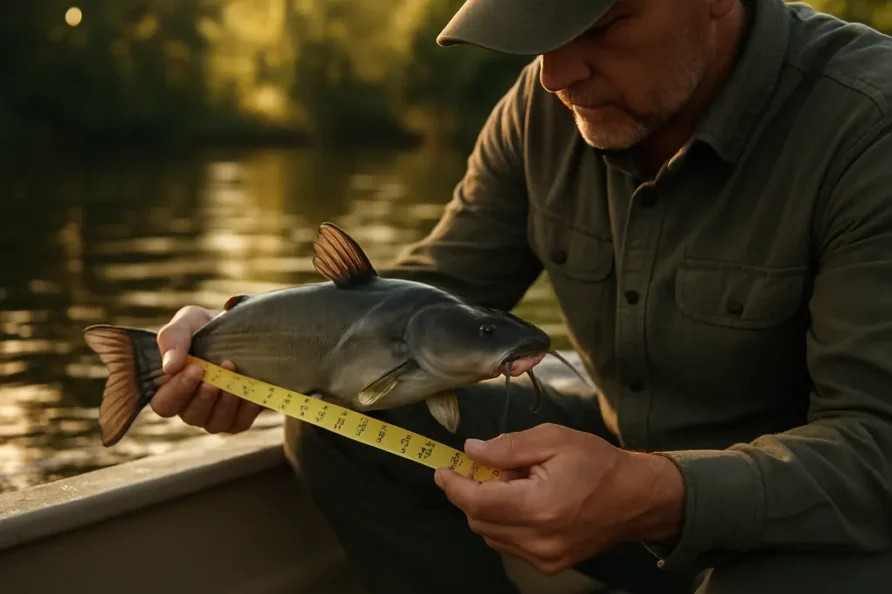
That last point matters because tournament focus can make anglers rush. Measure carefully, handle fish cleanly, and release anything that does not fit the rules or your plan. A calm angler makes better choices.
If I were packing for October 16–18, 2026, I would choose reliable gear over fancy gear, fresh bait over bargain bait, and beach observation over random long casts. The best tournament strategy is not complicated: fish the highest-percentage water during the best light and tide, keep your rigs working, and stay ready when a school of bait changes the beach in five minutes. That is the kind of prep that gives you a real shot in the Pleasure Island fall surf.