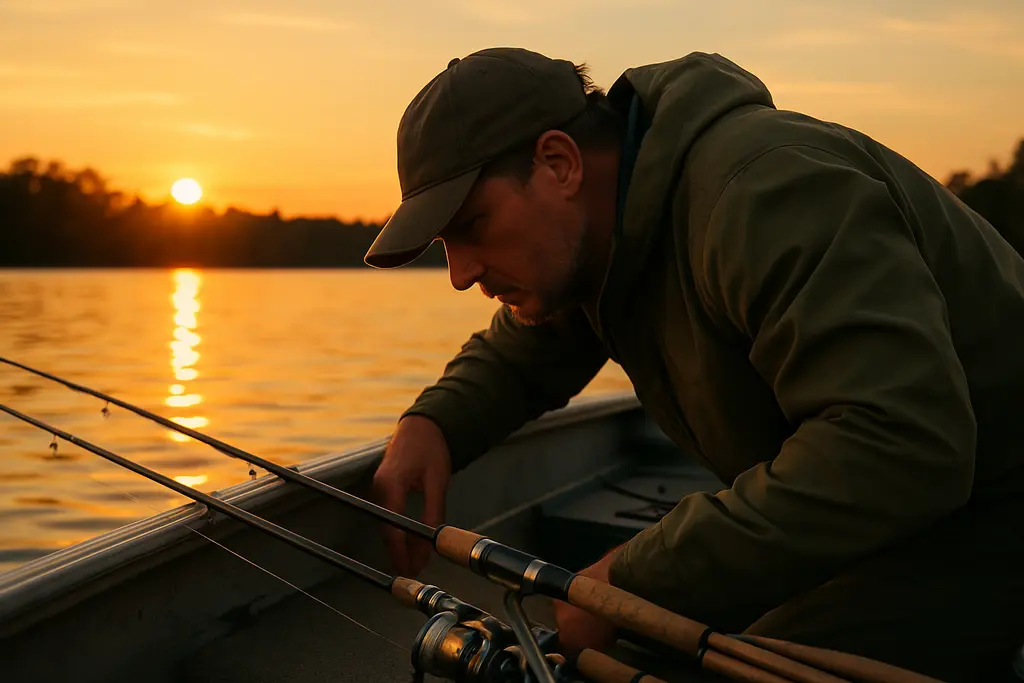
Arkansas Catfish Regulations changed in a very practical way on July 1, 2026, and catfish anglers should treat those changes like part of the pre-trip checklist, right alongside bait, ice, hooks, and fuel. The Arkansas Game and Fish Commission said the 2026-27 fishing regulations took effect on July 1, 2026, and that possession limits for fish were eliminated while daily creel limits remained in place AGFC regulation update. For catfish crews, that shifts the thinking from “How many fish are in my freezer?” to “What is my legal daily harvest on this water today?” That is a big difference for anglers who fish several days in a row or travel with family groups.
The key is not to turn a rule change into a free-for-all. Smart catfish strategy still starts with knowing the water, sorting the bite, handling fish cleanly, and checking the exact rule before the first rod goes out. These changes reward anglers who plan well. They also punish sloppy assumptions, because statewide rules and special water rules do not always match.
How Arkansas Catfish Regulations Changed The Plan
The biggest adjustment is mental. Possession used to sit in the background of many multi-day trips. After the July 1, 2026 change, the daily creel limit remains the number that shapes each day on the water, while fish that reach a final point of storage and consumption no longer count toward possession under the AGFC change. That does not mean every trip should be about filling every legal slot. It means anglers can plan meals, cleaning, storage, and return trips with less confusion about possession once fish are properly stored at the final point.
Arkansas Catfish Regulations For Daily Limits
The statewide daily limit for channel, blue, and flathead catfish combined is 10 fish per day, with no statewide minimum size limit, and some waters have special channel catfish rules Arkansas channel catfish rules. These Arkansas Catfish Regulations push anglers to identify their target before choosing tackle. If the plan is a mixed-bag catfish day, every channel, blue, and flathead matters against the combined daily limit unless a special rule applies. If the plan is a channel-catfish-focused trip on a special water, the harvest math can change.
No statewide minimum size limit also affects how you fish. Smaller catfish may be legal harvest, but that does not automatically make small hooks the best choice for every setup. If you are targeting eater-size channel cats, smaller cut bait strips, prepared bait, or worms on moderate hooks may help match the likely fish size. If you are hunting bigger blues or flatheads, heavier leaders and larger bait still make sense because the rule change did not change fish behavior.
Possession Limits Changed Storage Decisions
For camp trips and family fish fries, storage discipline matters more than ever. Keep the daily catch separated, label bags if several anglers are involved, and clean fish promptly when you are done fishing. The regulation change described by AGFC centers on fish reaching a final point of storage and consumption, so avoid casual cooler shuffling that makes it hard to explain what was caught, cleaned, or stored on a given day. Good records are not glamorous, but neither is arguing with your own cooler at the ramp.
Waterbody Choices And Harvest Strategy
Location choice now has even more weight. A casual Saturday catfish trip on a local pond is one thing. A planned harvest trip with several anglers is another. Before you pick bait, pick the rule set. That means checking whether the water follows the statewide combined daily limit, offers an extra channel catfish allowance, or has no limit on channel catfish.
No-Limit Channel Catfish Waters
Research notes list several waters where no limit on channel catfish applies, including Lake Erling, Marion-McCollum Greenlee in Monroe County, Lake Chicot, Grand Lake, and the Mississippi River main stem. That does not make every one of those waters fish the same. A lake setup often rewards anchoring near feeding lanes, using scent-heavy bait, and giving fish time to locate the spread. The Mississippi River main stem can demand more attention to current, safe anchoring, and bait placement because moving water changes how scent travels.
For sport fishing strategy, the better move is to match expectations to the water. On a no-limit channel catfish water, an angler may choose a higher-volume approach with multiple bait styles, frequent rebaiting, and careful cooler management. On a standard-limit water, the focus may shift toward sorting quality fish sooner and ending the harvest portion of the trip once the legal daily target is reached.
Bonus Channel Catfish Waters
The research notes also identify extra channel catfish opportunities. On the Arkansas River, 10 channel catfish may be taken in addition to the combined daily limit. Horseshoe Lake in Crittenden County and Tommy L. Sproles Lake Pickthorne also allow 10 channel catfish in addition to the daily limit. That extra allowance changes the trip plan because channel catfish can become a separate target rather than an incidental part of a mixed-catfish day.
| Rule Situation | What It Means For The Trip | Practical Strategy |
|---|---|---|
| Statewide combined catfish limit | Channel, blue, and flathead count together | Track every kept catfish by angler and stop harvest at the daily limit |
| No channel catfish limit waters | Channel catfish harvest is not capped on listed waters | Plan bait volume, ice, cleaning time, and safe storage before launching |
| Extra 10 channel catfish waters | Channel catfish may be kept beyond the regular daily limit on named waters | Separate channel catfish in the cooler and keep counts clear |
If you want a broader planning routine for changing rules, this piece on planning trips around rule changes pairs well with the same mindset: read the rule first, then build the fishing plan.
Gear, Bait, And Handling Adjustments

Good regulations strategy shows up in the tackle box. If your chosen water allows a higher channel catfish harvest, bring enough terminal tackle to keep fishing efficiently without retying every few minutes. If you are fishing a standard daily limit, carry gear that helps you sort fish cleanly and release unwanted fish quickly.
Match Hook Size To The Legal Harvest Plan
Without a statewide minimum size limit, some anglers may choose lighter tackle for eater-size channel catfish. That can be smart on stocked-style or smaller-water bites, but do not go so light that fish are played too long or released in poor shape. Medium spinning or baitcasting outfits, modest leaders, and hooks sized to the bait are often more useful than oversized gear for small channel cats. For bigger blue or flathead goals, larger hooks, heavier leaders, and bigger cut bait or live-bait presentations remain the better match.
Think in terms of lanes. Smaller baits close to the bank, near access points, or near known feeding areas can help find active channel catfish. Larger baits placed near deeper edges, current seams, or heavier cover are better suited to larger cats. The rule may decide what you can keep, but bait size still helps decide what you are likely to hook.
Keep Fish Care Simple And Clean
Harvest strategy is only useful if the fish are cared for properly. Bring enough ice, keep fish shaded, and decide before the trip where cleaning will happen. If several anglers are fishing from one boat, use a simple count system. A small notebook, phone note, or cooler divider can prevent mix-ups. This is not overkill. It is basic trip management for anglers who want to fish hard and stay within the rules.
- Check the specific water before launch, not after fish are in the cooler.
- Separate channel catfish when fishing waters with bonus or no-limit channel rules.
- Match bait size to the harvest goal: eater channel cats, mixed cats, or larger fish.
- Bring enough ice and bags if fish will reach final storage after the trip.
- Stop harvesting once the applicable daily limit is reached, then switch to catch-and-release if desired.
Why Arkansas Catfish Regulations Reward Better Trip Plans
Arkansas Catfish Regulations now give catfish anglers more reason to plan by waterbody, target species, and harvest goal. The best trips will not come from guessing at the ramp. They will come from reading the rule, choosing a water that matches your goal, and building a bait and storage plan before the first cast.
For a family fish fry, that may mean choosing a listed water with extra channel catfish opportunity and bringing more ice than usual. For a sport-focused trip, it may mean using the daily limit as a boundary while spending more time testing baits, current seams, and depth changes. Either way, the winning habit is the same: know the rule, fish with intent, and keep your counts clean. That is how regulation awareness turns into sharper catfish fishing, not just a thicker rulebook in the truck.