
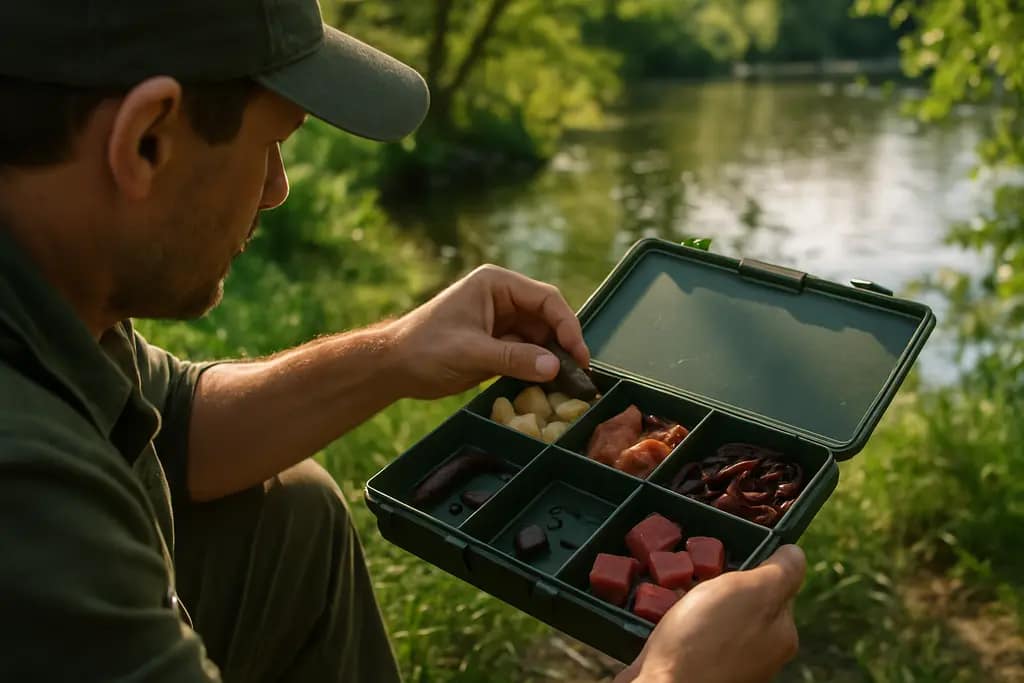

Late Summer Catfish bait work is part biology lesson, part tackle-room discipline, and part athletic grind. Hot water can punish sloppy bait care, lazy rig choices, and crews that stop thinking after the first rod goes out. I love this stretch of the calendar because it exposes habits. The teams that keep bait cold, fish the right depth, and move with purpose usually give themselves cleaner chances.
Recent competition-style lessons point in one clear direction: do not treat late summer as a one-bait problem. Tournament data can tell us which fish are showing up at the scales, while summer pattern reports can tell us where those fish are likely feeding. The smart move is to build a bait plan that starts deep, respects low-light feeding windows, and keeps every bait in better shape than your lunch cooler at a boat ramp cookout.
Late Summer Catfish Bait Lessons From Competition Data
Read The Scales Before You Rig
Competition results are not fortune cookies, but they are useful training film. The 2023 West Virginia tournament survey from the Ohio and Kanawha rivers reported that flathead catfish were numerically dominant, blue catfish made up about 22% of reported fish by count, and the average weight per catfish in tournaments was about 8.6 pounds West Virginia fisheries report. That matters because bait size, soak time, and hook gap should match the fish you are trying to weigh, not the fish you hope lives in your daydreams.
If a field is producing lots of flatheads, I want at least part of the spread built around bigger natural meals placed tight to cover, ledges, or depth breaks. If blue cats are a meaningful part of the catch, I want fresh cut bait and a plan that lets scent move through current or wind-driven water. If the average fish is closer to a solid eater than a true giant, I do not want every bait to be the size of a sandwich. Tournament discipline means giving yourself both a kicker-fish lane and a numbers lane.
Late Summer Catfish Depth And Freshness Cues
Lake Moultrie summer pattern notes from June through August point to a practical depth lesson: during hot summer days, catfish have been reported in deep water near the thermocline around 18 to 22 feet, then feeding shallower on ledges and humps at dawn, dusk, and overnight; the same report highlights cut gizzard shad presented at or just above that thermocline zone Lake Moultrie summer catfish patterns. That is the kind of detail a serious crew should turn into a starting plan, not a trivia answer.
For Late Summer Catfish work, I like to think in layers. One rod probes the depth where the bait can sit near that comfort zone. Another rod hits the uphill edge of a hump or ledge. A third rod checks the travel lane between them. If a bite comes shallow in low light, shift more baits up. If the only action comes deeper as the sun climbs, stop arguing with the fish and reset the spread.
Bait Choices That Match Heat, Depth, And Time
Fresh Cut Bait Is The Control Test
Fresh cut bait is my control test in late summer. If you cannot get a read on cut shad, skipjack where legal, or another legal local baitfish, you may be fishing the wrong depth, using pieces that are too large, or letting bait quality slide. Heat is brutal on bait. Keep bait shaded, cold, and out of dirty bilge water. Cut only what you can fish in the near term, because a bait that looks tired often gets fished with tired confidence.
Here is the gym-minded part: bait prep is work capacity. A crew that has one angler organized at the board, one watching rods, and one managing boat position wastes less motion. That saves shoulders, lower backs, and patience. Catfish tournaments can turn strong anglers into slumped lawn chairs by midnight if nobody has a system. Train your bait station like you train your hookset: repeatable, clean, and fast.
Use Attractors And Natural Baits With A Job
Prepared attractor baits, stink-style baits, and punch baits can earn a place, especially when you need action from smaller channels or want to test a bank-accessible zone. But they should have a job. Do not throw every smell in the boat because panic has taken the wheel. If the goal is one heavy fish, give priority to bigger natural baits, fresh cut bait, or legal live and fresh-dead offerings where rules allow. If the goal is filling a limit or learning a stretch, smaller attractor baits can help you map activity.
For shore-based formats, the bait plan changes. You may not be able to sit over deep structure, so casting distance, sinker shape, and line angle matter. A compact cut bait on a slip-sinker rig can reach deeper water from shore. A float-assisted presentation can keep bait from burying in soft bottom near weeds. The best crews practice these casts before event day, because late-night bank fishing is no place to discover your rig helicopters like a ceiling fan.
Rig Adjustments For Late-Summer Bait Control
Keep Bait In The Strike Zone
Rig choice should answer one question: where should this bait ride? A Carolina-style slip-sinker rig keeps bait near bottom and is a strong starting point for ledges, channel edges, and current seams. A Santee-style float lift can raise cut bait just enough to stay visible and keep it out of light debris. A slip float can help when fish slide shallower in low light or when you are working edges that would snag a bottom rig every cast.
My rule is simple: if the bait is right but the rod stays quiet, change its position before blaming the fish. Move it up, shorten the leader, lengthen the leader, reduce bait size, or change the cast angle. Sport fishing rewards athletes who make small adjustments without turning the boat into a circus. Calm hands catch more fish.
Build A Two-Lane Tournament Spread
A strong spread has purpose. Lane one searches for bites and tells you whether fish are active. Lane two targets bigger fish in the best-looking water. That might mean smaller cut pieces on one side and larger chunks or heads on the other. It might mean one bait near bottom and one lifted. It might mean soaking a big bait longer while rotating smaller search baits every 15 to 25 minutes based on conditions and local rules.
If you want a deeper event-day framework, the ideas in tournament catfish baits pair well with this late-summer approach. The key is not copying someone else’s cooler. The key is matching bait, rig, depth, and crew stamina to the water in front of you.
- Start With Freshness: Keep bait chilled, shaded, and cut close to fishing time.
- Fish In Layers: Place baits near depth breaks, thermocline-related zones, and low-light feeding shelves.
- Assign Each Rod A Job: Search rod, big-fish rod, shallow probe, or current seam rod.
- Change Position Before Panic: Adjust leader length, float lift, bait size, and cast angle.
- Protect The Crew: Rotate bait prep, rod watch, and boat duties to reduce fatigue.
Practice Drills For Better Bait Decisions
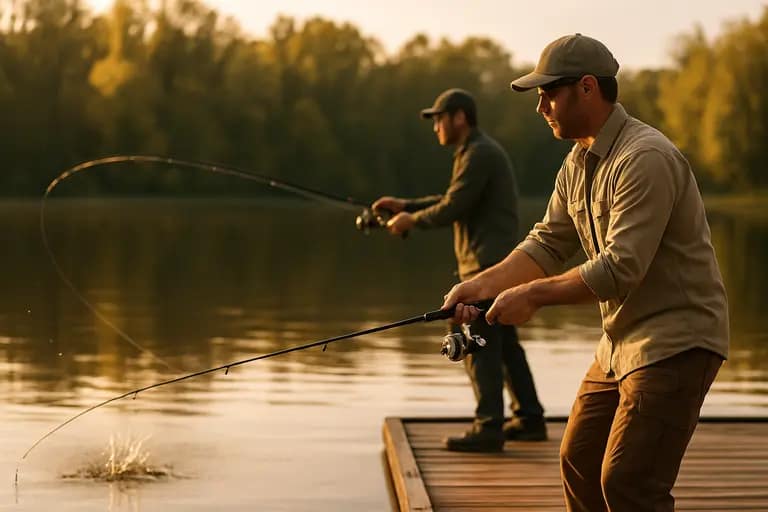
Run A Cooler-To-Rod Rehearsal
Here is a drill I use with anglers who want tournament habits without tournament chaos. Set up your bait cooler, cutting board, hooks, leaders, and sinkers at home or in the driveway. Time how long it takes to prep three legal bait sizes and rig them safely. Then do it again with gloves wet and headlamps on. If that sounds silly, remember that many late-summer bites come in low light. You should not need a committee meeting to bait a hook at 11:30 p.m.
This is where fitness pays off. Strong hips and a stable core help when you are bracing on deck, reaching into a cooler, or casting heavier rigs. Good shoulder mobility helps you cast without forcing every throw. Hydration and pacing keep your decision-making sharp. No fishery report can do your squats for you, but your body will show up in every bait change you make.
Log Every Bait Like A Coach
After each trip, write down bait type, cut size, depth, time, rig, and result. Keep it short. You are not writing a novel; you are building a playbook. Over several trips, patterns appear. Maybe heads get fewer bites but better fish. Maybe thin belly strips get fast action at dusk. Maybe lifted baits beat bottom rigs in one stretch and lose badly in another. That is useful information because it came from your water and your hands.
For Late Summer Catfish, this log should also include water temperature if you have it, moonlight, wind direction, and whether bait stayed firm or softened too fast. Those notes help you pack the next cooler with intent. The goal is not perfect prediction. The goal is fewer random choices.
Why Late Summer Catfish Bait Strategy Holds Up
A good Late Summer Catfish plan holds up because it is flexible without being messy. Start with fresh bait. Put it where fish can use it. Let tournament data shape your target species thinking. Let low-light windows influence your depth choices. Then make small, athletic adjustments until the rods tell you what is real.
The late-summer crew I trust is not always the loudest crew at the ramp. It is the crew with cold bait, organized rigs, steady bodies, and a notebook full of earned lessons. That is how bait strategy turns from guesswork into repeatable sport-fishing performance.


