
The available research from the Catfish Capital Challenge 2026 points to one clear lesson: tournament catfish baits work best when they are matched to species, water movement, and presentation. I do not have official weigh-in data tying each bait to a specific placing, so I am treating these as supported bait-pattern takeaways rather than verified team-by-team results. That still gives competitive anglers plenty to train with before the next launch.
As Hank Whitman, I look at bait the same way I look at conditioning. A strong angler does not just own gear; he repeats smart movements until the boat runs calmer under pressure. The bait tray should be organized, the rigs should be ready, and the crew should know why one bait goes down before another. That is how you turn bait choice from guesswork into a repeatable tournament process.
Tournament Catfish Baits By Target Species
Catfish are not one single puzzle. Blue catfish, channel catfish, and flathead catfish all reward different bait decisions. The Challenge research lined up with a practical pattern many catfish anglers already respect: use scent and oil for blues, heavy scent trails for channels, and live prey for flatheads.
Tournament Catfish Baits For Blue Catfish
Fresh cut shad stood out in the research as the top bait for blue catfish because it releases scent and natural oils that attract fish in current, a point supported by the CritPro catfish guide. That matters in tournament fishing because current can carry scent through a lane, giving your bait a bigger working zone than a quiet pocket would.
The practical move is simple: keep the shad fresh, cut it cleanly, and fish it where current can help spread the scent. If your bait has turned soft or washed out, you are asking tired scent to do fresh bait’s job. Rotate bait before it looks dead on the hook. I like a disciplined crew rhythm: one angler watches rods, one checks bait timing, and one tracks the drift or anchor angle. It sounds almost too basic, but late in a long event, basics beat panic.
Channel And Flathead Bait Choices
For channel catfish, chicken liver showed value because of its strong scent trail, especially in still water. Prepared baits, including punch and dip baits, were also reported as effective for channel catfish in warm weather, when strong-smelling oils can spread more widely. Nightcrawlers remained a reliable channel catfish option in rivers and ponds where earthworms are a natural food source.
Flathead catfish were a different assignment. Live bream, including bluegill, were preferred in the research because that choice fits a predatory feeding style. Tournament crews should treat this as a species filter. If you are trying to win with a bigger flathead, a lively bait that moves naturally may fit the target better than a scent-only offering. If you are building a numbers program for channels, scent-heavy baits and nightcrawlers may deserve more rod time.
| Target Catfish | Supported Bait | Best-Fit Situation |
|---|---|---|
| Blue catfish | Fresh cut shad | Current where scent and oils can move |
| Channel catfish | Chicken liver | Still water with a strong scent trail |
| Channel catfish | Punch, dip, and prepared baits | Warm weather with oil dispersion |
| Channel catfish | Nightcrawlers | Rivers and ponds with natural worm forage |
| Flathead catfish | Live bream or bluegill | Predatory feeding situations |
Rigging Tournament Catfish Baits With Purpose
With tournament catfish baits, the bait is only half the rep. The other half is how it moves, holds, and stays available to the fish. The research notes identified the Carolina rig as a versatile setup for bank and boat fishing because it lets bait drift naturally above the sinker. They also identified the slip sinker rig as a simpler still-fishing setup from the bank, with fewer components.
Carolina Rig Control
The Carolina rig makes sense when you want separation between weight and bait. That separation can help a bait move more naturally instead of looking pinned to the bottom like a gym bag full of sinkers. In current, that matters. A cut shad needs to work in the flow, not tumble into a dead angle. From a boat, the crew should check whether the sinker is anchoring too hard or sliding too freely. From the bank, the same question applies: is the bait sitting where fish can find it?
Tournament discipline means tying these rigs before the pressure hits. If your knots fail or your leader lengths vary wildly, you have introduced noise into your pattern. For a deeper look at the connection between rig parts and fish-ready presentation, the same-site breakdown on terminal tackle selection pairs well with this bait plan.
Slip Sinker Simplicity
The slip sinker rig earns its place because simple can be fast. Fewer parts mean fewer points of failure, especially for bank teams or anglers who are resetting after a missed bite. That does not mean sloppy. It means clean rigging, a bait that stays on the hook, and a setup that allows the fish to take the bait without fighting a fixed weight too soon.
Here is the fitness angle most anglers skip: rigging accuracy drops when hands and shoulders are tired. Train your grip, keep your shoulders loose, and practice bait changes at home. You do not need a circus routine. You need calm hands after hours in sun, wind, and boat chop. Ten clean practice rigs on a weeknight can save one ugly retie on tournament morning.
Artificial Lures And Gear Choices
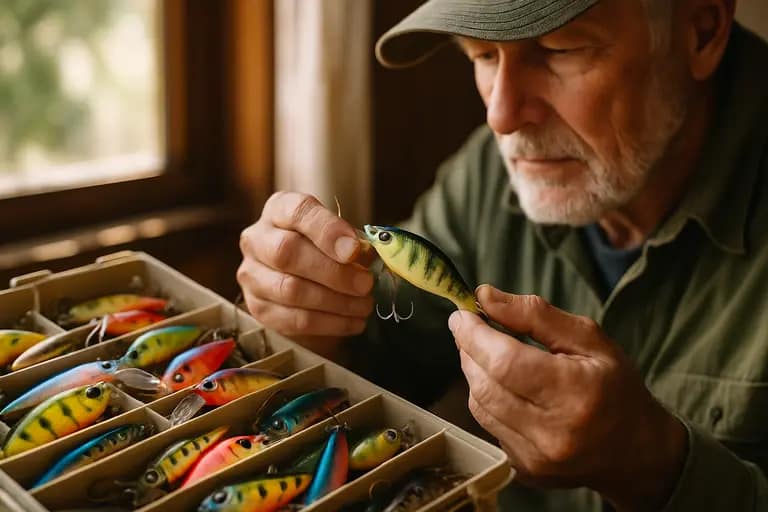
Live and cut baits dominated the research notes, but artificial lures still had a place in specific conditions. They were reported as productive when catfish were active in shallow or mid-depth water. Color also mattered: chartreuse, white, and fluorescent orange were noted for clear or shallow water, while black and purple were noted for muddy conditions, according to the AnglersBooking catfish guide.
When Lures Deserve Rod Time
I would not build a whole tournament plan around artificials unless the conditions support that call. Still, a lure rod can be useful when fish are active higher in the water column or when you need to test a zone quickly. The key is not to let lure experimentation steal time from a bait program that is already producing. Give the lure a defined job: check shallow activity, probe mid-depth fish, or confirm whether color contrast matters in that water.
Color selection should be practical, not emotional. Clear or shallow water calls for brighter options from the research notes. Muddy water points toward dark profiles. That does not promise a bite, but it gives the crew a clean starting rule. Tournament anglers do not need 40 colors rolling around the deck. They need the right few choices rigged and ready.
Rod And Line Matching
The research notes also gave gear ranges. Smaller catfish were paired with a 6-foot medium-power rod, spinning reel, and 12- to 15-pound monofilament. Larger catfish called for a 7-foot medium-heavy rod, baitcasting reel, and 20- to 30-pound monofilament. That is useful because bait choice and gear choice should not fight each other.
A heavy bait on a setup meant for smaller fish can reduce casting control. A larger fish on underpowered gear can stretch the fight and cost time. In tournament terms, tackle should support the target class. If your team is refining a full event plan, the broader thinking in catfish tournament strategy fits right beside bait selection: define the target, pick the water, then match the bait and tackle to that plan.
- Use fresh cut shad first for blue catfish in current-driven scent lanes.
- Keep chicken liver, prepared bait, and nightcrawlers ready for channel catfish work.
- Reserve live bream or bluegill for serious flathead targeting where legal and appropriate.
- Use lure color as a water-clarity decision, not a random preference.
- Match rod power and line strength to the size class you are targeting.
Catfish Capital Challenge Bait Decisions
The best lesson from the Catfish Capital Challenge 2026 research is that tournament catfish baits should be chosen with intent. Fresh cut shad, chicken liver, live bream, prepared baits, nightcrawlers, and selective artificials all have a lane. The winning habit is knowing which lane you are fishing before you drop the bait.
Build A Repeatable Bait Routine
Before your next event, write a bait card for the boat. Put species across the top, likely water condition underneath, and bait choices below that. Then assign crew jobs. Who cuts shad? Who checks live bait? Who handles liver or punch bait without contaminating every towel and reel handle in sight? A boat that handles bait cleanly fishes longer and thinks clearer.
That routine should include body management. Hydrate, stretch your hands, rotate jobs, and keep your back out of awkward positions during bait prep. Fishing is a sport, and tournament days ask for endurance. The angler who can still tie, cast, lift, and think after hours on the water has a real edge.
Use the Challenge takeaways as a training plan, not a magic recipe. Pick the bait for the species, rig it so it behaves naturally, match gear to fish size, and keep your crew sharp. That is how bait selection becomes performance instead of hope.


