
Catfish tournament strategy is no longer just about who brings the biggest fish to the scale. Modern events are starting to look more like a market, where teams weigh conditions, pressure, rules, species, payouts, and conservation value before deciding where to spend their limited time. The best anglers are not guessing; they are pricing risk before the first bait hits bottom.
The Betting Lens Helps Explain Tournament Decisions
That is the same kind of thinking bettors use when they compare market access, payout reliability, and risk tolerance through tools such as an Everygame sportsbook rating. The lesson for tournament anglers is not to gamble blindly. It is to respect information, terms, and risk before committing money, time, and confidence.
Leaning into a betting-style view does not mean pretending catfish tournaments are sportsbooks. It means recognizing that anglers are constantly making probability decisions. Which stretch has the highest floor? Which hole has the highest ceiling? How long should a team stay before moving? Is one giant fish worth more risk than five steady fish?
Sports bettors already understand that the best-looking outcome is not always the best value. A similar logic applies on tournament water. Anglers may love a famous bend, but if every serious team is there, pressure can erase the edge. A quieter secondary spot may offer better practical value, even if it looks less exciting.
Catfish Tournament Strategy Now Starts Before Launch
A serious catfish tournament is decided partly before the boat leaves the ramp. Anglers have to study water levels, weather, current, species rules, weigh-in format, bait availability, access points, and how much risk they are willing to take.
That sounds a lot like handicapping a market. A team may choose a safe spot with reliable eating-size fish, or swing for a deep-river hole that could produce one winning blue cat and nothing else. Neither decision is automatically right. The value depends on the event format.
A biggest-fish tournament rewards upside. A stringer event rewards consistency. A conservation derby may reward volume, harvest verification, or species removal. The rules create the odds, and the smartest anglers read those odds before choosing a game plan.
The Weigh-In Is Only One Scoreboard Now
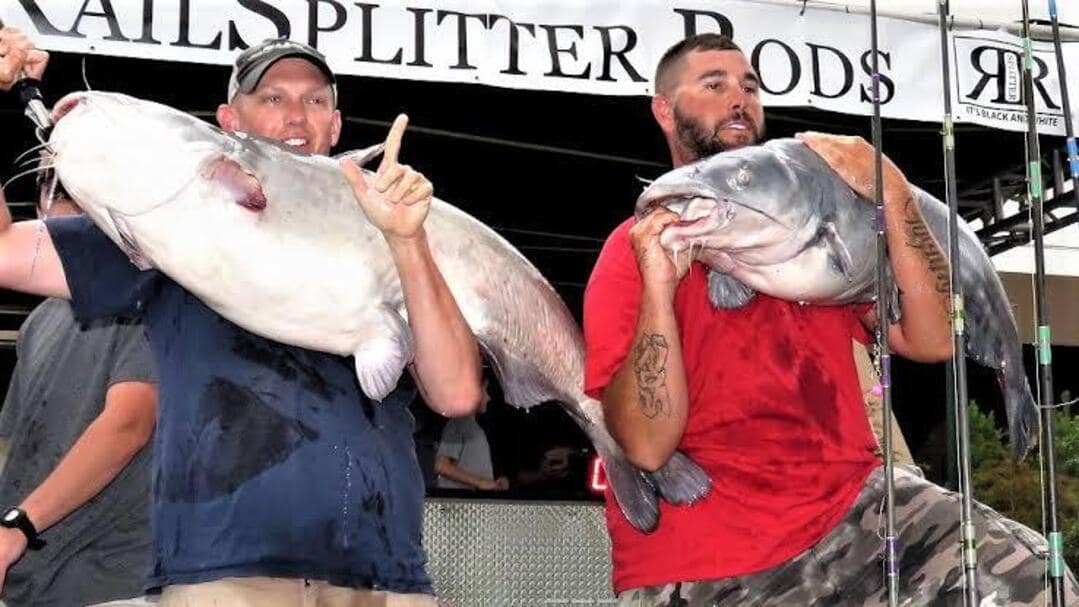
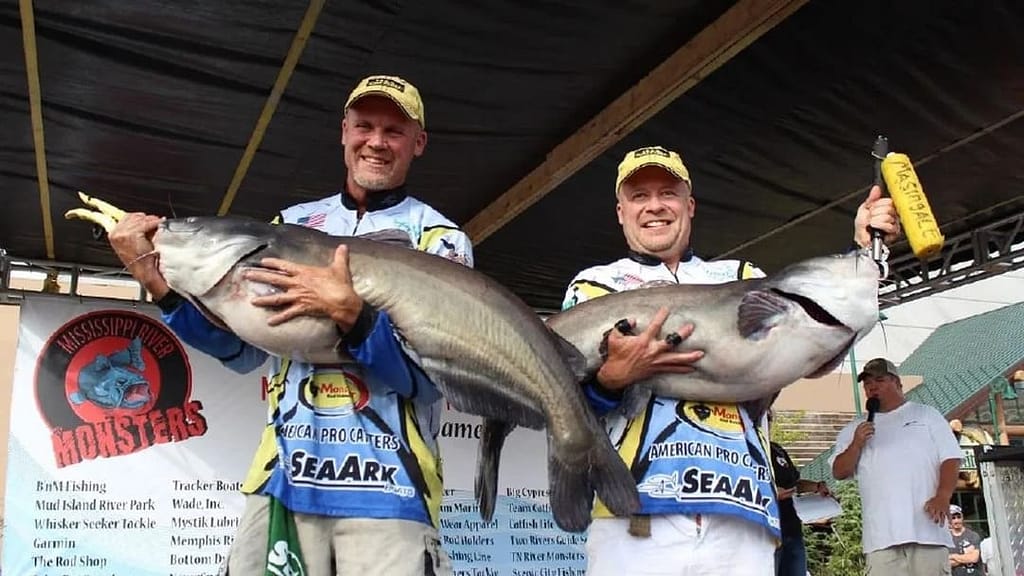
Traditional catfish tournaments still revolve around weight. That part is not going away. The scale gives the event drama, structure, and bragging rights. But the weigh-in is no longer the only thing giving these events meaning.
Some tournaments are tied to community fundraising. Others support local bait shops, marinas, restaurants, hotels, and guides. More recently, invasive-species events have added a conservation purpose that changes the story around harvest.
That shift matters because tournament catfishing now carries more pressure than the old “biggest fish wins” stereotype suggests. Prize structures, invasive-species categories, youth divisions, local tourism, and harvest goals can all change the way anglers approach an event. That same competitive tension is visible in tournament pressure, where preparation can matter as much as the fish sitting under the boat.
That model matters beyond Maryland because it shows what catfish tournaments can become when management goals and angler motivation line up.
Trophy Events and Removal Events Reward Different Anglers
The biggest mistake is treating every catfish tournament as the same contest. A team built for trophy blue cats may fish differently from a team trying to maximize invasive fish harvest. A bank division may reward access knowledge more than boat electronics. A youth or community event may prioritize participation and education alongside catches.
| Tournament Type | Main Goal | Winning Edge |
|---|---|---|
| Biggest fish event | Land one top-weight catfish | High-upside water and patience |
| Stringer event | Build total weight | Consistent bites and efficient culling |
| Bank division | Produce from limited access | Spot selection and casting angles |
| Invasive removal event | Harvest target species | Volume, legal handling, and reporting |
| Youth/community event | Build participation | Simple rules and accessible water |
| Charity event | Raise money and attention | Local turnout and sponsor support |
The table shows why tournament strategy has to match the format. A plan that is smart in one event can be weak in another.
Conservation Is Changing the Risk Calculation
Invasive blue catfish have changed how some agencies and organizers think about tournament value. In the Chesapeake Bay watershed, blue catfish are treated as invasive predators that can affect native species and commercial or recreational fisheries. That gives harvest-based tournaments a purpose beyond the leaderboard.
This conservation layer can also change angler behavior. A catch-and-release mindset may be standard in some trophy settings, but removal events may require harvested fish to count. That affects coolers, handling, reporting, cleaning, and how anglers think about the day’s work.
Harvest becomes strategy when the tournament’s mission is removal. Anglers are not only chasing a prize; they are helping convert fishing pressure into measurable effort.
For Florida anglers, the lesson is not that every catfish tournament should copy Maryland’s model. Florida waters have their own species mix, rules, and management priorities. The larger point is that tournament formats are becoming more flexible, and future events may attach more meaning to what gets caught, where it gets caught, and what happens after weigh-in.
The Next Edge Is Better Information
Future catfish tournaments are likely to reward teams that manage information better. That can include checking rules earlier, tracking water movement, studying tournament history, understanding payout structures, and knowing when to abandon a favorite spot.
Maryland’s 2026 catfish tournament push shows how far the model has moved. State officials promoted events targeting invasive blue catfish and other invasive fish, with several tournaments requiring harvested fish to qualify for rewards. The calendar included events built around prize money, public outreach, app-based reporting, youth participation, and ecosystem awareness through a 2026 invasive tournament push.
App-based reporting, verified photos, harvest categories, conservation awards, live leaderboards, and better sponsor integration may also become more common. Those tools can make events easier to follow and harder to fake. They can also give organizers more ways to tell the story of the tournament beyond one winning fish.
The pressure point is trust. Anglers want clear rules, fair scoring, reliable payouts, clean weigh-ins, and formats that do not reward confusion. Communities want events that bring people in without damaging the resource. Organizers have to satisfy both sides.
Catfish tournament strategy is becoming a blend of fishing skill, risk management, local knowledge, and event design. The heaviest fish will always matter, but the future of catfish tournaments may belong to anglers who understand the full board: the water, the rules, the payout, the pressure, and the purpose behind the event.


