
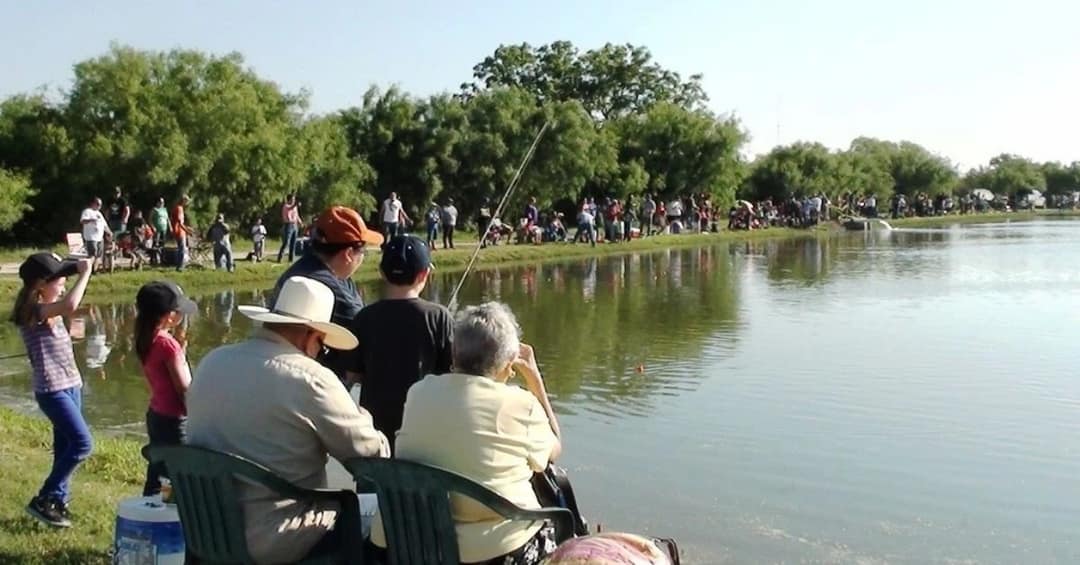

Catfish in pressured water are rarely difficult for one reason. The obvious dock, bridge corner, or park pond may still hold fish, but repeated casts, sinkers, footsteps, boat traffic, and familiar bait presentations can make the standard approach less useful.
Instead of asking whether catfish are present, ask which part of your presentation looks most like everyone else’s. Basic Florida catfish tactics still matter—structure, depth, bait, current, and timing—but pressure turns those fundamentals into a process of elimination.
Pressured Water Changes Catchability Before It Changes the Spot
A slow bite does not automatically mean a spot has been fished out. Recreational-angling research on other freshwater species has shown that direct capture experience can reduce short-term vulnerability to hooks, including experimental hook-avoidance behavior. That does not prove catfish react identically, but it supports a useful premise: catchability can change.
Pressure also concentrates repetition. A public dock may receive the same cast angles all week. A bridge abutment gets pounded from the easiest corner. A small pond sees similar prepared baits dropped onto the same clean bottom.
The answer is not to assume catfish have become geniuses. Stop giving them the most repeated version of the same opportunity.
Pattern Catfish in Pressured Water by Moving First
The first adjustment should usually be placement. Move before you change bait. If everyone can comfortably reach the center of a dock, test the outer edge, darker side, nearby depth break, or secondary cover.
Around bridges and park ponds, fish beside the obvious structure, not only on top of it. Test the downstream edge of a piling, a depression beyond the popular casting lane, vegetation beside the cleared bank, or the less convenient side of an access point.
Florida’s channel catfish habitat notes emphasize bottom fishing and the species’ use of holes and crevices. That makes small structural differences worth testing when the most visible water is receiving constant attention.
The pattern may begin one cast away from “the spot.”
Change One Variable at a Time
Pressured-water fishing gets messy when every slow period triggers five changes at once. New bait, lighter sinker, longer leader, different hook, different depth—then a fish bites and nobody knows why.
Keep the test clean. Change location first while holding bait and rig constant. If the new lane produces contact, you have learned something about position. If it does not, adjust presentation next, then bait size or type.
The goal is a repeatable pattern, not one lucky bite.
Pay attention to how contact develops. A firm run is different from tentative pickups. A bait that returns crushed says something different from one that comes back untouched. A spot that produces only after boat traffic fades deserves a different note than one that fires immediately.
Smaller Bait Is a Diagnostic Tool, Not a Rule
Downsizing is one of the easiest changes to test, but treat it as a question rather than a superstition.
A smaller piece of cut bait or trimmed prepared bait can create cleaner hook exposure, reduce bulk around the point, and offer a different-sized target than the large chunks commonly thrown for trophy cats. It can also help separate a bait-size problem from a location problem.
Do not shrink everything automatically. Large bait still has a place when forage size, target fish, current, or nuisance fish make it practical. Compare presentations instead. If a full-size bait sits untouched while a smaller piece gets picked up in the same zone, that is useful information.
If downsizing creates more taps but poor hookups, inspect the hook point and gap. The next adjustment may be rigging, not another bait change.
Read the Signals Before You Abandon the Water
Heavily pressured spots often provide weak signals before obvious ones. Treat those signals as prompts for the next test, not proof of a theory.
| Signal | What It May Suggest | Next Test |
|---|---|---|
| No activity in the obvious lane | Fish may be using secondary water, or the lane may be overworked | Shift to an edge, depth change, or less convenient angle |
| Pickups followed by drops | Bait bulk, resistance, or hook exposure may be limiting commitment | Try smaller bait or a freer presentation |
| One narrow zone gets all contact | Location is becoming the pattern | Tighten future casts around that lane |
| Bites arrive only after a quiet spell | Timing may matter more than bait choice | Record the window and revisit it |
| Activity stops with heavy foot or boat traffic | Disturbance may be affecting the immediate area | Back off or return during a quieter period |
The table is not a list of guarantees. It is a way to avoid random changes. When one signal repeats across trips, it becomes part of your local pattern.
Human Traffic Is a Fishing Condition Too
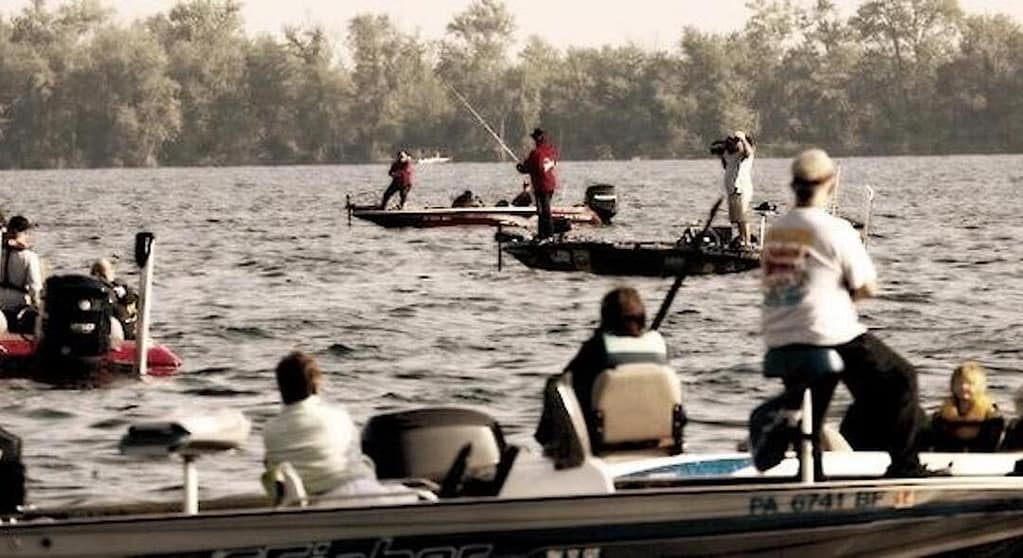
The biggest overlooked variable may be the angler schedule itself. A productive public spot can fish like two different places depending on whether it is crowded, recently disturbed, or quiet between waves of use.
Track pressure the way you track wind, current, water level, or cloud cover. Notice when bank traffic rises, when boats repeatedly cross a small zone, and whether better bites come before the crowd, after it leaves, or from water most people cannot reach comfortably.
Human traffic is data. On heavily used water, the quietest period or least convenient casting angle may matter more than chasing a supposedly perfect bait.
You do not always need secret water. You need a better read on familiar water.
Make Pressure Part of the Pattern
The best way to catch catfish in pressured water is not to search for a magic bait nobody else owns. Reduce repetition: change the lane, simplify the rig, test bait size, watch resistance, and learn when human activity changes the bite.
Pressure does not erase the fundamentals; it makes precision more valuable. Anglers who change one variable at a time and recognize small signals can turn a frustrating public spot into a repeatable pattern instead of another place they blame on “too much pressure.”


