
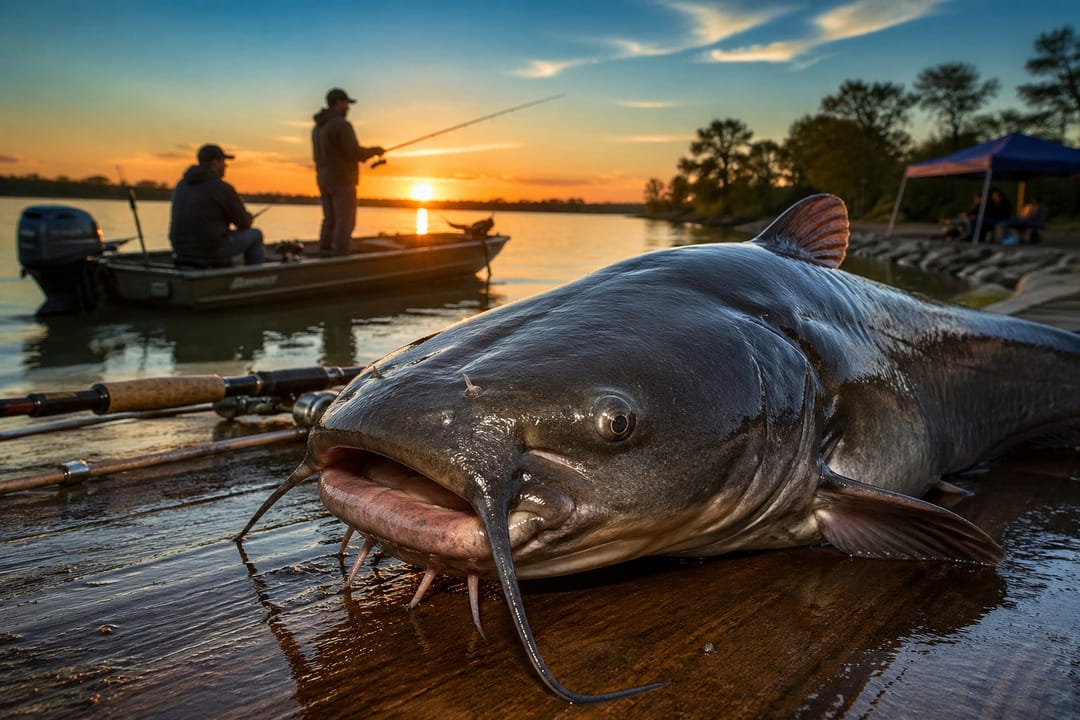

The first weekend of May is becoming more than a date on the calendar for Jackson County anglers; it is turning into a statement about family fishing, rural tourism, and the enduring pull of Lake Texana. The 3rd Annual Chasin’ Whiskers Catfish Tournament arrives May 2–4, 2026, at a moment when outdoor events with local identity and multigenerational appeal are gaining fresh relevance across Texas.
Why The Chasin’ Whiskers Catfish Tournament Matters Now
I look at the Chasin’ Whiskers Catfish Tournament as more than another weekend contest. It sits at the intersection of three trends that matter deeply in Texas right now: family recreation, regional tourism, and the continued cultural strength of freshwater fishing.
Catfish tournaments have always carried a different texture from many competitive fishing events. They are less polished than bass circuits, less exclusive than offshore tournaments, and often more accessible to children, weekend anglers, campers, and local families. That accessibility is precisely why this event has resonance. In Jackson County, the tournament gives Lake Texana a focused weekend identity: not merely as a reservoir where people fish, but as a gathering place where families, campers, youth anglers, and local businesses converge around a shared outdoor ritual.
The timing is significant. Early May in South Texas marks a seasonal transition. Spring warmth has settled in, school calendars are approaching their final stretch, and families are looking for weekend experiences that do not require a major trip or luxury budget. A tournament built around catfish, youth participation, and flexible fishing access is well positioned for that moment.
The Chasin’ Whiskers Catfish Tournament is scheduled for Saturday, May 2, through Monday, May 4, 2026, with Jackson County’s chamber calendar listing it as the 3rd annual event. The tournament is associated with Chasin’ Whiskers Catfish Tournament, a listed Jackson County Chamber of Commerce and Agriculture member connected to an annual May catfish event.
Event Snapshot
| Detail | Information |
|---|---|
| Event | 3rd Annual Chasin’ Whiskers Catfish Tournament |
| Dates | May 2–4, 2026 |
| Area | Jackson County, Texas |
| Fishing Water | Lake Texana |
| Format Emphasis | Family-friendly catfish competition |
| Eligible Fishing Areas | Lake Texana banks, piers, boats, and other permitted access points |
| Permitted Gear | Rod-and-reel or cane pole |
| Not Permitted | Trotlines or droplines |
| Registration Note | Pre-registration is strongly encouraged; participants must register by 9:00 a.m. to be eligible for weigh-in |
| Weigh-In Window | 11:00 a.m. to 1:00 p.m. |
The structure of the event is one reason it deserves attention. The rules create a defined competition, but they do not make the tournament feel remote or inaccessible. Participants may fish from banks, piers, boats, and other Lake Texana access points, while the rules keep the gear simple by allowing rod-and-reel or cane pole fishing and excluding trotlines and droplines.
Lake Texana Gives The Tournament Its Competitive Personality
A catfish tournament is only as compelling as the water behind it. Lake Texana gives this event real credibility because it is not merely a convenient backdrop; it is a legitimate freshwater fishery with a meaningful catfish profile.
Texas Parks and Wildlife identifies blue catfish and largemouth bass as the reservoir’s most popular sportfish, with blue catfish described as abundant and flathead and channel catfish also supporting noteworthy fisheries. That matters because a tournament like this depends on more than enthusiasm. It needs a water body with enough fish diversity, access, and angler confidence to sustain participation year after year. Chasin’ Whiskers Catfish Tournament
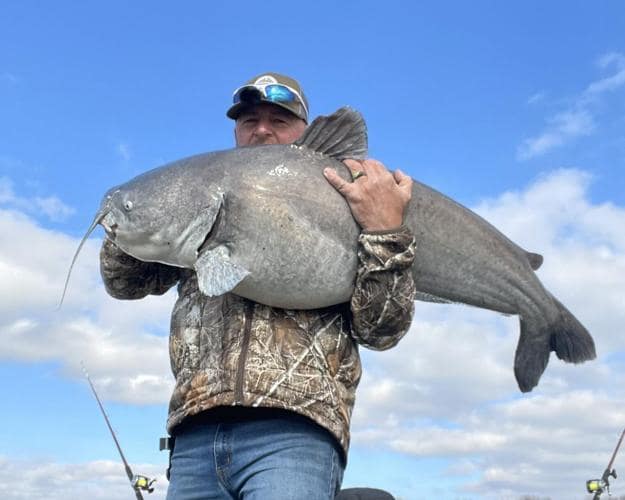
Lake Texana’s catfish profile gives anglers multiple strategic lanes. Blue catfish can reward patience, bait selection, and location awareness. Channel catfish often make events more approachable for younger or less experienced participants. Flathead catfish add the possibility of a heavy, memorable fish that can change a leaderboard quickly. In tournament terms, that mix matters. It means the lake can support both casual family participation and genuine competitive tension.
The reservoir also has a record-book dimension that sharpens the story. Lake Texana’s all-tackle records include blue catfish, channel catfish, and a much larger flathead catfish record, a reminder that the lake has historically produced notable catfish catches across species.
A Tournament Built For Families, Not Just Specialists
The most telling detail in the 2026 rules is not the prize money or the weigh-in window. It is the framing of the event as family fun for participating kids, with sportsmanship and good behavior treated as formal expectations. That language reveals the tournament’s identity.
This is not a format designed only for hardened tournament anglers with specialized gear and competitive routines. It is a community event that uses fishing as the organizing activity. That distinction matters. In many rural and small-town settings, fishing tournaments do more than crown winners. They bring families outdoors, teach young anglers how to follow rules, encourage respect for wildlife regulations, and make local parks and water access points feel active and valued.
The event includes two youth age groups: 6–10 and 11–16. That structure is important because it recognizes the practical differences between a younger child learning to fish and an older youth angler developing more independence and technique. It also helps avoid the discouraging imbalance that can occur when a six-year-old is competing directly against a teenager.
The rules also require participants under 12 to be accompanied by an adult at all times. That requirement is more than a safety note. It reinforces the event’s multigenerational design. The tournament becomes a shared activity between children, parents, grandparents, guardians, and mentors. In that sense, the Chasin’ Whiskers Catfish Tournament functions as a local outdoor classroom.
The Categories Add Strategy Without Overcomplicating The Event
A good family fishing tournament needs categories that are simple enough for children to understand but varied enough to keep the day interesting. The Chasin’ Whiskers format does that effectively.
The tournament categories include jackpot heaviest catfish, jackpot smallest catfish by weight with a minimum length requirement, heaviest three-catfish stringer, and a Fisherman’s Choice category for other eligible fish such as bass, crappie, perch, or gar.
That category mix is smart. The heaviest catfish category rewards the classic tournament pursuit: finding one fish big enough to separate from the field. The smallest catfish category, with a minimum 12-inch requirement, adds a playful inversion that gives more participants a realistic path to recognition. The three-fish stringer category rewards consistency rather than a single lucky bite. Fisherman’s Choice widens the day’s possibilities by acknowledging that fishing rarely obeys the plan anglers set at sunrise.
The rule preventing the same fish entered in the jackpot heaviest catfish category from also counting toward the three-fish stringer is especially important. It protects competitive balance. Without that type of restriction, one standout catch could dominate multiple divisions too easily. With it, participants have to think strategically about how to enter their fish.
That decision-making is part of what makes tournament fishing educational for youth anglers. Children learn that competition is not only about catching; it is also about judgment, timing, and understanding rules.
Rules That Keep The Competition Accessible
Tournament rules shape behavior. In this case, the rules appear designed to keep the event open, safe, and manageable.
Fishing is permitted anywhere on Lake Texana, including from banks, piers, and boats. That matters because it prevents the tournament from becoming a boat-only competition. Bank access is essential for affordability and inclusion. Many families can participate without owning a boat, hiring a guide, or investing in extensive equipment.
The gear rule is equally important. Rod-and-reel and cane pole fishing keep the contest familiar and approachable. The exclusion of trotlines and droplines reduces complexity and helps keep the event aligned with active, hands-on fishing. For a youth-centered and family-oriented tournament, that is the right balance.
The weigh-in rules also create a clear rhythm. Poles go in at 7:00 a.m., contestants may weigh in from 11:00 a.m. to 1:00 p.m., and participants must be in line before the 1:00 p.m. cutoff.
That schedule is practical. It gives families enough time to fish seriously without turning the day into an endurance test. It also creates a concentrated weigh-in period, which is often where the community energy of a tournament becomes most visible. Families gather, fish are compared, children watch the scale, and the event shifts from private fishing effort to public celebration.
Prize Structure And Participation Incentives
The prize structure is modest, clear, and appropriate for the event’s tone. First place in each category receives $75, second place receives $50, and third place receives $25, while Fisherman’s Choice is a first-place-only category. The first 50 participants to register receive a bucket and fishing towel, and door prizes are planned after the weigh-in, with winners required to be present.
This is not prize money designed to professionalize the event. It is incentive money designed to validate the effort. That distinction is important. In youth and family fishing events, the prize structure should enhance the experience without overwhelming it. The Chasin’ Whiskers format appears to understand that.
The bucket and towel incentive also fits the event perfectly. It is useful, symbolic, and age-appropriate. For a child, receiving a piece of fishing gear at registration can make the day feel official before the first cast is made. That small detail helps turn participation into memory.
The Local Tourism Value For Jackson County
Events like the Chasin’ Whiskers Catfish Tournament matter because they convert natural assets into economic and civic activity. Jackson County has the water, the parks, the campgrounds, and the fishing culture. A recurring tournament gives those assets a calendar anchor.
Visitors who come for a weekend fishing event may buy fuel, groceries, bait, meals, lodging, camping reservations, or supplies. Even when individual spending is modest, the cumulative effect can matter for a local economy. Just as important, events like this give families a reason to return. A child who fishes Lake Texana in a tournament at age eight may associate that place with achievement, family time, and seasonal tradition for years.
The tournament also strengthens Jackson County’s outdoor identity. Rural tourism works best when it feels authentic. Catfish fishing on Lake Texana is not an imported concept or a manufactured attraction. It is rooted in the local landscape. That authenticity gives the event editorial and promotional strength.
The Jackson County Chamber of Commerce and Agriculture’s listing of the event also signals the broader civic role of the tournament. This is not just a private outing; it sits within the county’s public-facing event ecosystem.
Why Catfish Are The Right Species For This Kind Of Event
Catfish are democratic fish. They can be pursued from a boat or a bank, with simple gear or refined technique, by a child holding a cane pole or an experienced angler reading structure and current. That makes them ideal for a family tournament.
Unlike some forms of fishing that can feel intimidating to beginners, catfishing has a low barrier to entry. The gear can be straightforward. The tactics can be taught quickly. The reward is tangible. A child does not need to master complex casting techniques or expensive electronics to feel part of the action.
At the same time, catfish are not simplistic. Serious catfish anglers understand bait choice, water temperature, depth, bottom composition, scent trails, feeding windows, and species behavior. A tournament on a lake with blue, channel, and flathead catfish gives experienced anglers enough complexity to stay engaged.
That dual nature is the secret of the Chasin’ Whiskers Catfish Tournament. It can be welcoming without being shallow. It can be competitive without becoming exclusionary. It can celebrate children while still respecting the skill involved in catching quality fish.
The Importance Of Compliance And Conservation
One of the strongest signals in the tournament rules is the repeated emphasis on following Texas Parks and Wildlife rules. For a public fishing event, that is essential. Youth anglers are not just learning how to catch fish; they are learning how regulated outdoor recreation works.
The rules reference Texas Parks and Wildlife requirements and include QR codes for catfish bag and length limits as well as freshwater bag and length limits. Participants must follow those rules while fishing the tournament.
That compliance framework matters because fishing tournaments can either reinforce conservation ethics or undermine them. The best events make regulations visible, understandable, and normal. For young anglers, that lesson may be as valuable as any prize.
Conservation also protects the future of the tournament itself. A catfish event depends on a healthy fishery, and a healthy fishery depends on responsible harvest, lawful conduct, habitat awareness, and continued public trust. The more a tournament normalizes those values, the stronger its long-term foundation becomes.
What Anglers Should Watch Strategically
Although this is a family-friendly event, anglers who want to compete seriously should think carefully about how the format affects strategy.
The 7:00 a.m. start creates an early opportunity to target active fish before the day warms further. The 11:00 a.m. to 1:00 p.m. weigh-in window means time management is critical. Anglers cannot simply stay out hoping for one more bite if they risk missing the cutoff. In a tournament with children involved, logistics may be as important as bait.
The category structure also creates choices. A participant with a strong catfish must decide whether that fish is best positioned for the heaviest catfish jackpot or whether the broader stringer category offers a better chance. Because the same fish cannot be used in both those ways, the decision has consequences.
Families fishing from the bank should prioritize comfort and efficiency. Shade, hydration, safe footing, and a manageable setup can determine whether children stay focused long enough to enjoy the experience. Boat anglers have mobility, but they also carry the burden of launch timing, safety, and travel back to weigh-in.
The smartest approach may be to treat the tournament not as a single contest but as a timed decision exercise. Where will the family fish first? How long will they stay without action? Which category is most realistic? When should they leave for weigh-in? Those questions make the day richer and teach young anglers the practical side of tournament thinking.
Community Events Are Built On Repeatable Traditions
The phrase “3rd Annual” matters. A first-year tournament introduces an idea. A second-year tournament tests whether the idea has staying power. A third-year tournament begins to feel like a tradition.
That is where the Chasin’ Whiskers Catfish Tournament now sits. It has moved beyond novelty and into the more meaningful stage of community expectation. Families can plan around it. Local organizations can promote it. Campers can associate early May with Lake Texana. Young anglers can measure their growth from one year to the next.
Tradition is not built by scale alone. It is built by repetition, memory, and identity. A child who competed last year may return with more confidence. A parent who watched from the bank may become more involved. A local business that saw weekend traffic may prepare more intentionally. Over time, that is how a fishing tournament becomes part of a county’s seasonal rhythm.
The Bigger Picture For Outdoor Recreation In Rural Texas
The Chasin’ Whiskers Catfish Tournament also reflects a larger opportunity for rural Texas communities. Outdoor recreation is one of the most durable forms of place-based economic development because it cannot be easily replicated elsewhere. A town can market a generic festival, but it cannot duplicate a specific lake, a specific fishing culture, or the emotional pull of a local tradition.
Jackson County has a credible advantage in Lake Texana. The tournament gives that advantage a narrative. It tells visitors why to come now, what to do when they arrive, and why the experience belongs specifically to this place.
For families, the value is even more direct. In an era when many children spend less unstructured time outdoors, events like this offer a practical alternative. They do not lecture families about nature; they invite them into it. They do not require expertise; they reward participation. They do not separate recreation from community; they merge the two.
That is why the Chasin’ Whiskers Catfish Tournament deserves attention beyond the fishing crowd. It is a small but meaningful example of how local outdoor events can strengthen civic life, support tourism, teach conservation, and create memories that outlast the weekend.
A Timely Test Of Tradition, Access, And Local Identity
The Chasin’ Whiskers Catfish Tournament matters right now because it captures something communities are increasingly trying to protect: accessible outdoor experiences that bring families together and give local places a stronger sense of identity. On May 2–4, 2026, Lake Texana will not simply be a fishing destination; it will be a stage for competition, mentorship, tourism, and memory-making.
The opportunity is clear. If the tournament continues to grow while preserving its family-first structure, it can become one of Jackson County’s most recognizable outdoor traditions. The risk is equally clear: events like this must maintain safety, conservation discipline, and community trust as participation expands. For now, the Chasin’ Whiskers Catfish Tournament stands as a compelling reminder that some of the most meaningful regional events are not built around spectacle, but around a child, a fishing pole, a patient adult, and the possibility of a catfish at the end of the line.


