
A fishing rules app can be the difference between a clean catfish trip and a mistake that happens at the cooler. Florida anglers often move between rivers, park lakes, canals, Fish Management Areas, and mixed-use waters where rules may not feel obvious from the bank. The fish may be easy to identify, but the regulation attached to that exact water can be easier to miss.
That is especially true for anglers who assume every catfish outing works the same way. Florida’s rule picture includes statewide freshwater regulations, special local rules, Fish Management Area details, and species-specific concerns. The same caution appears around non-native rule pressure, where knowing what fish you caught is only part of knowing what to do next.
A Fishing Rules App Helps With Location
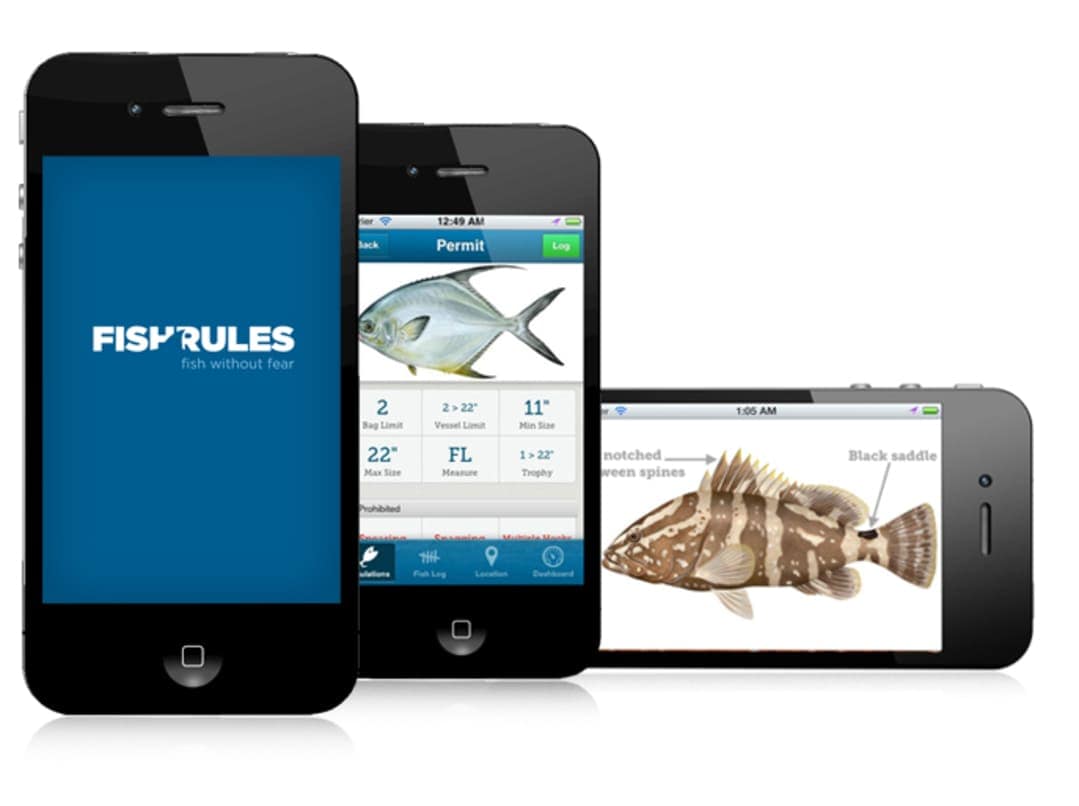
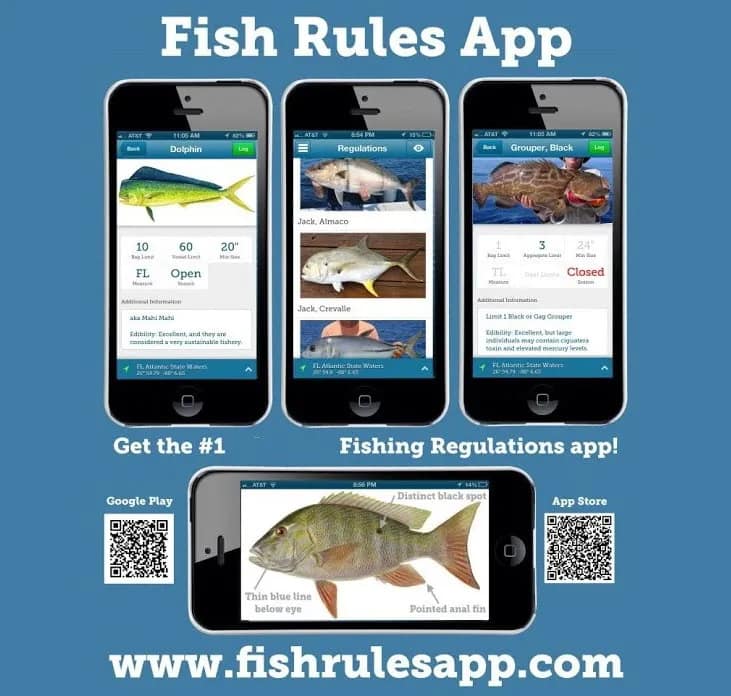
FWC promotes the Fish Rules App as a way to keep up with saltwater and freshwater fishing regulations, with location services enabled to show site-specific regulations. That matters because many fishing mistakes are not caused by bad intent. They happen because the angler remembers the wrong water.
The location-based rules feature is useful when anglers move from one public access point to another, especially near waters with special designations. A channel catfish rule on one managed water may not match a nearby lake. A gear method allowed in one area may be restricted in another.
The app should not replace judgment, but it can stop guesswork. Your location matters before your limit does.
Freshwater Rules Still Need a Human Check
Apps are helpful because they organize information quickly. They are not a reason to stop reading. Anglers should still confirm the species, the water name, the season, and any posted signs at the access point. If the app and the sign seem to conflict, the conservative move is to slow down and verify.
FWC’s freshwater regulation page says there are no new freshwater regulation changes for 2026-2027 and directs anglers to current rules for the latest information. That does not make the rulebook irrelevant. It makes accuracy easier for anglers who check before they fish through current freshwater rules.
This is especially important on Fish Management Areas, where local rules may cover bag limits, access hours, boat use, cast nets, trotlines, or cleaning fish before leaving the property.
The Fish Rules App Is Useful but Not Magic
The Fish Rules platform says it uses a phone’s GPS and calendar to show relevant regulations, and anglers can manually select a location when they have no signal. That flexibility is useful because fishing often happens where service is weak, phones get wet, or anglers forget to check until they are already at the ramp.
Still, no app can fix a careless setup. Anglers should check rules before leaving home, then confirm again at the water if they are fishing an unfamiliar area. Screenshots can help if service drops, but they should be current and tied to the right location.
The app is best used as a planning tool and a backup tool. It should not become a last-second excuse after fish are already in the cooler.
Catfish Anglers Have Specific Rule Traps
Catfish trips can involve more than a rod and reel. Some anglers catch bait. Some use multiple rods. Some fish at night. Some use boats, trotlines, or set lines where allowed. Those choices can bring rules beyond the simple question of how many fish can be kept.
A rule check should cover the whole trip.
| Rule Area | Why Catfish Anglers Should Check | Possible Mistake |
| Species ID | Catfish species may be treated differently | Keeping the wrong fish under wrong assumption |
| Bag limit | Fish Management Areas can vary | Overkeeping channel catfish |
| Gear method | Nets, trotlines, and hooks may be limited | Packing illegal gear |
| Access hours | Night bites may conflict with park rules | Fishing after posted closure |
| Location setting | Nearby waters may have different rules | Checking the wrong regulation |
| Posted signs | Local updates may appear on-site | Ignoring current access rules |
The table is not meant to make fishing feel complicated. It shows where simple mistakes usually begin.
The Next Pressure Point Is More Mobile Fishing
Florida anglers are mobile. They fish after work, travel on weekends, jump from ponds to rivers, and try new public access points when a bite goes cold. That mobility is exactly why regulation tools matter more now.
A paper memory of last season’s rule is not enough when the next trip might be a different county, a managed area, or a water with posted restrictions. More anglers using apps can reduce accidental violations, but only if they use the right settings and still read signs.
The future pressure point is convenience. The easier fishing information becomes, the more anglers may assume they checked enough. Fast information is not perfect information unless the location, species, and waterbody are correct.
The Best Rule Check Happens Before the Bait Gets Wet
The smartest routine is simple: check the app at home, confirm the exact water, read the posted sign, identify the fish correctly, and keep only what the rule allows. That routine takes less time than explaining a mistake later.
A fishing rules app is not about making catfishing less relaxed. It is about protecting the trip, the fishery, and the angler from preventable errors. Florida catfish anglers already think about bait, depth, weather, and timing. The next clean habit is checking the rule before the first keeper goes in the cooler.


