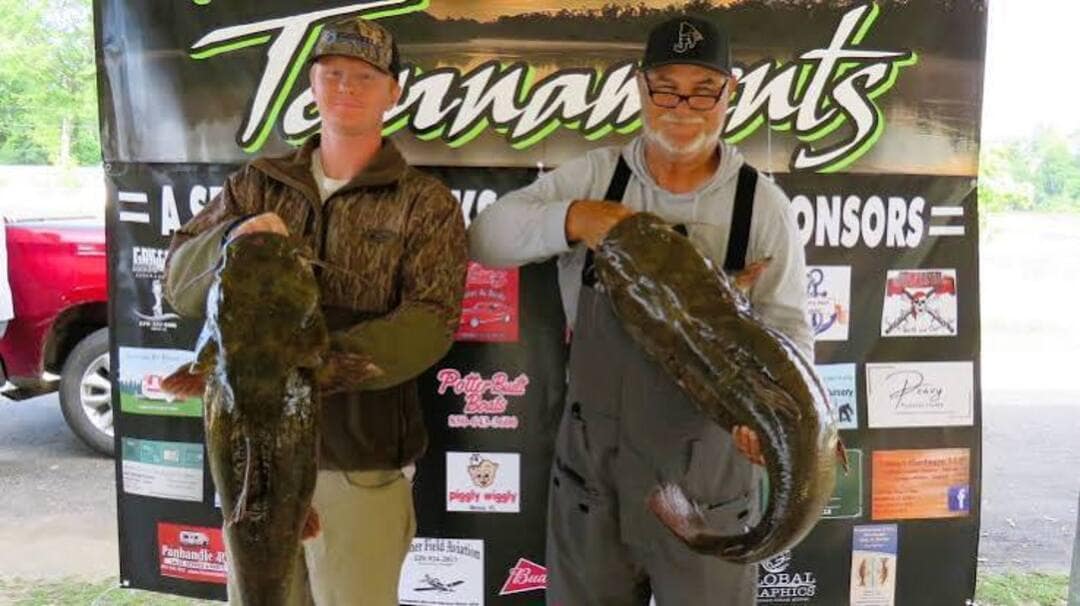

Florida catfish tournaments 2026 are harder to track than most anglers expect—and that’s exactly why a reliable calendar matters right now. While interest in competitive catfishing is rising across the Southeast, Florida’s tournament scene remains fragmented, local, and often invisible unless you know where to look.
That gap has created a strange reality: anglers are eager to compete, but the information is scattered across small-town posts, bait shops, and word-of-mouth. If you’ve already followed broader catfish tournament trends, you’ve seen the momentum—but Florida still lacks a centralized, dependable schedule. This calendar is built to fix that.
Why Most Florida Catfish Tournament Listings Fall Apart
Unlike bass or saltwater tournaments, Florida catfish events are rarely centralized under a formal trail. Most are:
- Locally organized
- Lightly advertised
- Updated or canceled with little notice
That creates a verification problem. Dates shift. Entry fees change. Rules evolve depending on river conditions or turnout. By the time many listings reach search results, they’re already outdated.
The solution isn’t just listing tournaments—it’s tracking which ones are actually confirmed.
Verified and Watchlist Events for 2026–2027
As of now, very few Florida catfish tournaments for late 2026 and early 2027 have been publicly confirmed with full details. What follows separates verified events from active watchlist tournaments—those with a history of running but no confirmed upcoming date yet.
| Tournament | Date | Location | Entry Fee | Format | Status |
|---|---|---|---|---|---|
| Big River Catfish Tournament (Florida River Fest) | Feb 28, 2026 (completed) | Apalachicola River (Blountstown) | $50–$100 | Big Fish | Past event / 2027 watchlist |
| Bristol Flathead Tournament | Not confirmed | Apalachicola River | Not confirmed | Big Fish | Watchlist |
| Wewahitchka–Blountstown Trail Events | Seasonal (varies) | Apalachicola system | $50–$150 | Big Fish | Watchlist |
| Lake Seminole Catfish Event | Not confirmed | Lake Seminole | ~$100 | Total Weight | Watchlist |
| Suwannee River Catfish Tournament | Not confirmed | Suwannee River | $50–$100 | Mixed | Watchlist |
| St. Johns River Shootout | Not confirmed | St. Johns River | $50–$120 | Total Weight | Watchlist |
The key takeaway is simple: confirmed schedules are limited, but recurring tournament zones are very real.
Where Florida Catfish Tournaments Actually Happen
Even without firm dates, the geography of Florida catfishing is consistent. Certain rivers and systems produce both fish and tournaments year after year.
Apalachicola River Corridor
This is the center of gravity. Towns like Bristol, Blountstown, and Wewahitchka have a long-standing flathead culture. Most serious events—especially big-fish formats—trace back here.
Lake Seminole and the Chattahoochee
Straddling the Florida-Georgia line, this area attracts anglers targeting both blue and flathead catfish. Tournament formats here often shift toward total weight competition, requiring multiple quality fish.
Suwannee River Basin
Less formal but still active, the Suwannee hosts occasional mixed-format events. Expect smaller entry fees and more local participation.
St. Johns River System
Central and Northeast Florida offer opportunities for channel and blue catfish tournaments, often with stricter fish-care rules and structured weigh-ins.
Entry Fees, Rules, and What Actually Changes
If you’ve fished one tournament, it’s tempting to assume they all run the same. That’s not how Florida works.
Here’s what tends to vary most:
- Entry fees: Typically $50 to $150, but can shift depending on payouts and sponsorship
- Formats: Big Fish dominates river events; Total Weight shows up more in lake systems
- Rules: Night fishing, check-in windows, and live-well requirements differ widely
Some tournaments prioritize speed and simplicity. Others enforce strict fish-handling protocols. Understanding those differences ahead of time is a competitive advantage most anglers overlook.
The Hidden Risk: Planning Around Unverified Dates
Traveling to a tournament that doesn’t exist—or has quietly moved—is more common than most anglers admit.
The underlying issue isn’t a lack of events. It’s a lack of confirmed information. Weather delays, low turnout, and local coordination challenges can shift schedules quickly.
That’s why checking official sources matters. For example, state-level fishing rules and licensing requirements are always enforced regardless of tournament format, and they’re clearly outlined in current Florida freshwater fishing regulations.
For specific events, even well-known tournaments like the annual Apalachicola competition require confirmation through their official pages, such as the latest river festival tournament details, before making plans.
How to Track Real Tournaments Before They Go Public
Most Florida catfish tournaments don’t start on search engines—they start locally.
To stay ahead:
- Monitor regional fishing groups and bait shops
- Watch for recurring event names tied to specific towns
- Track river conditions that typically trigger tournaments
- Pay attention to spring and fall patterns when events cluster
This is where experienced anglers gain an edge. They don’t wait for polished listings—they follow the signals.
The Signals That Will Shape the 2027 Calendar
Looking ahead, several pressure points will determine how the 2027 tournament calendar develops.
First, participation is growing. More anglers are targeting catfish competitively, especially in North Florida. That demand increases the likelihood of new or expanded events.
Second, fish care and regulation are becoming more visible. Expect tighter rules around live wells, handling, and weigh-ins, especially in larger or more formal tournaments.
Third, digital visibility is improving—but slowly. More organizers are posting events online, but consistency remains an issue. Until that changes, verified calendars will outperform generic listings.
Why This Calendar Matters Right Now
Florida catfish tournaments 2026 are not missing—they’re just hard to find unless you know the ecosystem behind them. That creates both a challenge and an opportunity.
Anglers willing to track verified information, follow local patterns, and confirm details before traveling will always be ahead of the crowd. The rest will keep chasing outdated listings.
As the scene grows into 2027, the biggest advantage won’t be gear or location—it will be knowing which tournaments are actually happening, when they’re confirmed, and how they’re run.


