
Florida’s freshwater fisheries offer year-round opportunities for anglers, but early spring consistently stands out as one of the most productive windows for targeting catfish. As winter conditions fade and temperatures begin to stabilize, catfish activity increases significantly across many of the state’s lakes and river systems. March, in particular, is widely regarded by experienced anglers as one of the best months to pursue these hard-fighting fish.
From the expansive waters of Lake Okeechobee to the winding stretches of the St. Johns River and smaller inland reservoirs, catfish become more aggressive during this time of year. Environmental factors such as warming water temperatures, increased baitfish movement, and shifting feeding patterns combine to create ideal fishing conditions.
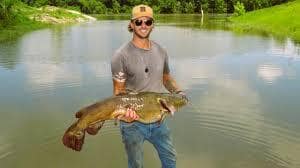
For both seasoned anglers and newcomers, March offers an excellent opportunity to target channel catfish, bullheads, and the larger blue catfish that inhabit many Florida waterways.
Seasonal Changes Trigger Increased Catfish Activity
One of the primary reasons March delivers such strong catfish fishing is the gradual shift in water temperature that occurs as spring begins. Throughout winter, cooler conditions can slow down catfish metabolism, making them less active and more selective about feeding.
As temperatures begin to climb in early spring, these fish respond quickly. Even modest increases in water temperature can trigger more consistent feeding behavior. Catfish that spent much of the colder months conserving energy start roaming larger areas in search of food.
This seasonal transition often results in a noticeable uptick in bites. Anglers frequently report improved catch rates during March because catfish are actively hunting and preparing for the months ahead. In many Florida waters, this period represents the beginning of a prolonged stretch of strong fishing that continues into late spring.
Rising Water Temperatures Improve Feeding Patterns
Water temperature plays a crucial role in determining how catfish behave. During March, temperatures across Florida’s freshwater systems typically begin to reach ranges that stimulate regular feeding.
Catfish thrive when water temperatures move into the mid-60s to low-70s Fahrenheit. These conditions increase their metabolism, prompting them to search for food more aggressively. As a result, anglers often find that catfish respond better to a wide variety of baits compared with colder winter months.
Another advantage during this period is that catfish tend to move away from deeper winter holding areas and begin exploring shallower structures. This makes them easier to target from boats, docks, and even shoreline fishing spots.
Florida’s Diverse Waterways Provide Ideal Habitat
Another reason March is so productive for catfish anglers is the variety of habitats available throughout Florida. The state’s freshwater network includes large lakes, slow-moving rivers, reservoirs, and smaller ponds all capable of supporting healthy catfish populations.
Some of the most popular locations include:
- Lake Okeechobee, one of the largest freshwater lakes in the United States and home to sizable catfish populations.
- The St. Johns River, where anglers regularly catch channel catfish and bullheads along deeper bends and channels.
- Lake Kissimmee, known for its productive fishing grounds and consistent spring action.
Each of these waters offers unique structures such as submerged timber, vegetation edges, and deep channels where catfish often gather. In March, these fish begin moving more frequently between these habitats, increasing the chances of successful outings.
Increased Food Sources Stimulate Catfish Movement
Spring also brings a noticeable increase in available food sources within freshwater ecosystems. As aquatic life becomes more active, catfish have access to a wider variety of prey including insects, baitfish, and crustaceans.
This abundance of food often leads catfish to roam farther from their typical resting areas. Instead of remaining stationary in deep holes, they move along channels, drop-offs, and flats while searching for meals.
For anglers, this increased movement can translate into more consistent action. Fish that might have been difficult to locate during winter become easier to intercept along common travel routes such as river bends, creek mouths, and shallow feeding zones.
Night Fishing Opportunities Improve in Early Spring
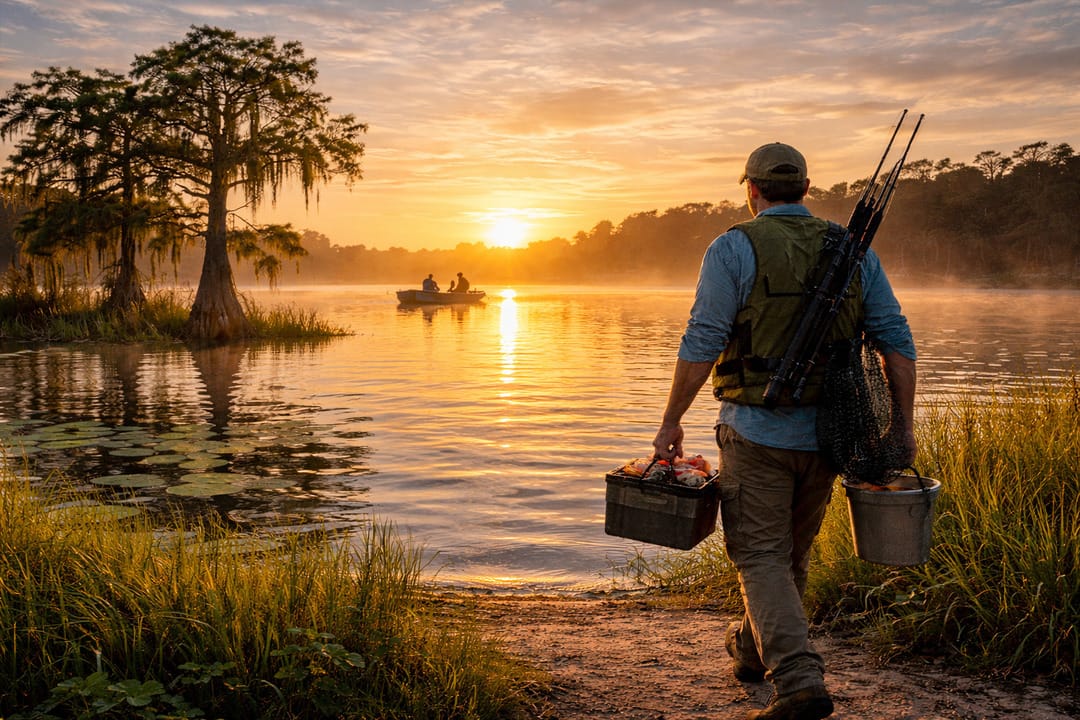
Although catfish can be caught during daylight hours, many anglers consider nighttime to be the most productive time to pursue them. March provides particularly favorable conditions for after-dark fishing across Florida.
As temperatures remain comfortable during the evening and baitfish become more active near the surface, catfish often move into shallower waters under the cover of darkness. These feeding patterns create ideal opportunities for anglers fishing from boats, docks, or shorelines.
Night fishing also allows anglers to avoid heavier daytime boat traffic on popular lakes and rivers. The quieter environment can make fish less cautious and more willing to strike bait.
Popular Baits and Techniques Used During March
Catfish are opportunistic feeders, which means they will strike a wide range of bait options. However, certain choices tend to perform especially well during the early spring season.
Anglers often rely on natural baits that release strong scents into the water. Commonly used options include cut bait, chicken liver, nightcrawlers, and prepared stink baits designed specifically for catfish.
Many fishermen prefer bottom-fishing rigs that allow bait to rest near the lake or riverbed, where catfish frequently forage. Patience is often rewarded, as catfish rely heavily on their sense of smell and may take time locating bait.
While elaborate gear setups are rarely necessary, maintaining a steady presentation and choosing productive fishing locations can significantly increase success rates.
Spring Weather Creates Comfortable Fishing Conditions
Another advantage of catfish fishing in March is the comfortable weather that often accompanies the start of spring in Florida. Unlike the intense heat and humidity that dominate summer months, early spring typically provides milder temperatures and more pleasant conditions for anglers.
These moderate conditions make longer fishing trips more enjoyable, whether anglers are spending a few hours on a local riverbank or an entire day exploring large lakes.
Additionally, early spring often sees fewer recreational boaters on the water compared with peak summer months. This can reduce disturbances and create a more relaxed fishing environment.
A Productive Start to Florida’s Spring Fishing Season
For anglers across Florida, March signals the beginning of one of the most productive stretches of the freshwater fishing calendar. Catfish activity increases noticeably as warming temperatures, abundant food sources, and changing seasonal patterns encourage these fish to feed more aggressively.
Whether targeting channel catfish in large lakes or pursuing bullheads along quiet riverbanks, anglers often find that early spring delivers reliable opportunities for both casual outings and serious fishing trips.
With favorable conditions across many of the state’s waterways, March continues to stand out as one of the best times of year to pursue catfish in Florida. As the season progresses and temperatures continue to rise, fishing opportunities are likely to remain strong, giving anglers plenty of reasons to head back onto the water.


