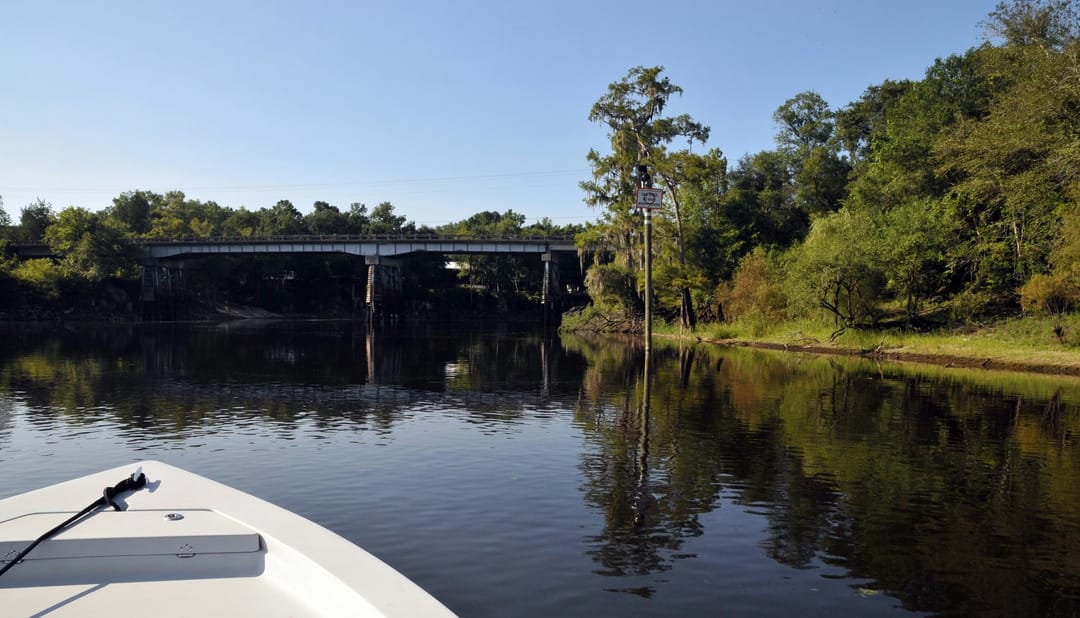

Catfish fishing in Florida remains one of the most consistent and rewarding freshwater experiences, especially as seasonal conditions begin to shift in early 2026. While recent cold fronts and fluctuating water levels have temporarily slowed activity in some regions, warming temperatures are now triggering increased feeding behavior across many waterways.
Unlike other species that can be highly sensitive to environmental changes, catfish are known for their resilience. They continue to feed even in less-than-ideal conditions, making them a reliable target for anglers throughout the year. However, knowing exactly where they are biting right now can make the difference between a slow outing and a productive day on the water.
The key lies in understanding how catfish respond to changing weather patterns, water temperatures, and habitat conditions.
Prime River Systems Producing Strong Catfish Action
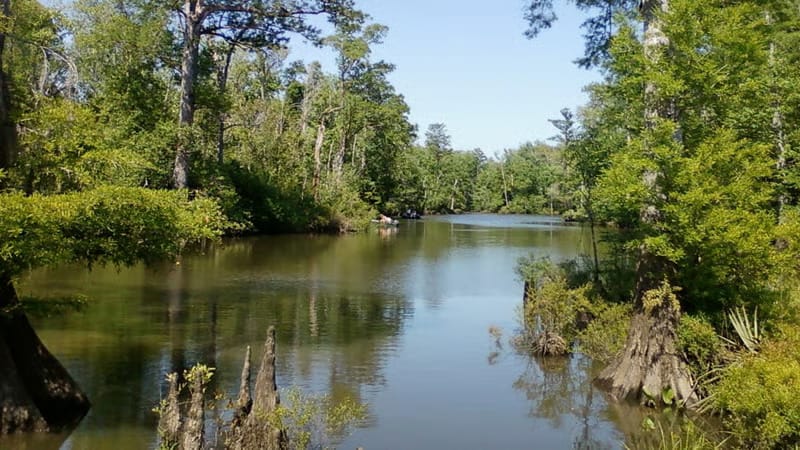
Rivers across Florida are currently among the most productive environments for catfish. Moving water naturally concentrates food sources, making these areas ideal feeding grounds. As a result, catfish tend to gather in predictable zones such as deep channels, bends, and areas with strong current breaks.
The Escambia River in Northwest Florida is a standout location at the moment. Anglers are reporting steady action, with both quantity and size improving as water temperatures gradually rise. The river’s natural structure featuring submerged logs, sandbars, and deep holes creates perfect ambush points for feeding catfish.
Another hotspot is the Choctawhatchee River, which has gained attention for producing large blue catfish. This system benefits from consistent current flow, which keeps oxygen levels high and baitfish active. As a result, catfish remain aggressive, particularly in deeper sections where the current slows slightly.
Fishing along riverbanks during late afternoon or evening hours has proven especially effective. These transitional periods often trigger increased movement as catfish leave deeper cover to feed.
Lake Seminole and Reservoir Hotspots
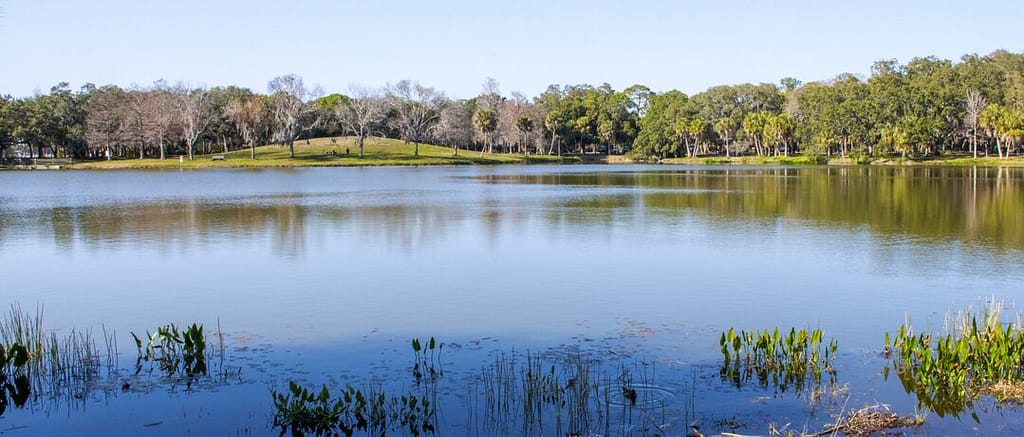
While rivers are currently producing consistent results, lakes and reservoirs are also showing promising activity. Lake Seminole remains one of the most talked-about locations for catfish anglers in 2026.
Despite recent windy conditions and water level fluctuations, anglers continue to land quality fish by focusing on deeper structures. Catfish in lakes often congregate around submerged ledges, drop-offs, and creek channels, where they can find both shelter and food.
One of the advantages of lake fishing is the ability to target specific depth zones. As temperatures begin to stabilize, catfish are gradually moving out of deeper winter holding areas and becoming more active along transitional zones.
Fishing near the bottom remains essential in these environments. Slow presentations and patience are key, as catfish in lakes may take longer to locate bait compared to their river counterparts.
The Role of Water Temperature and Seasonal Shifts
Seasonal transitions play a critical role in determining where catfish are biting at any given time. In Florida, the shift from late winter into early spring creates a period of adjustment for fish.
During colder spells, catfish tend to stay in deeper, more stable water where temperatures fluctuate less. However, as conditions warm, they begin to move into shallower areas in search of food.
This movement is not immediate or uniform. Instead, it occurs gradually, with fish often staging along depth changes. These transition zones where shallow and deep water meet are among the most productive areas to target right now.
Anglers who pay attention to subtle temperature changes, even just a few degrees, can significantly improve their success rate. Warmer pockets of water, especially those exposed to sunlight, often attract increased activity.
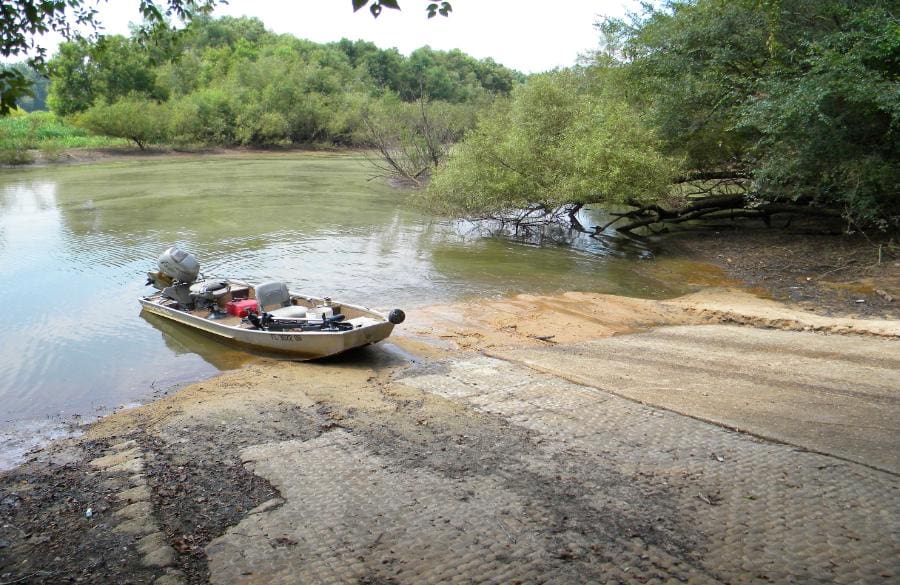
Identifying High-Probability Catfish Locations
Finding catfish is less about luck and more about recognizing patterns in their behavior. These fish are opportunistic feeders that prefer areas where food is readily available and energy expenditure is minimal.
Key locations to focus on include:
- Deep holes in rivers and lakes
- Areas with submerged structure such as logs or rocks
- Current breaks where water flow slows down
- Shorelines with vegetation or natural cover
These environments provide both protection and feeding opportunities, making them reliable targets throughout the day.
In many cases, the most productive spots are not in open water but rather along edges—where different types of habitat meet. These transition zones act as natural highways for fish movement.
Why Night Fishing Is Producing Better Results
Another important trend in current catfish activity is the increased success of night fishing. Catfish are naturally more active during low-light conditions, relying on their heightened sense of smell and vibration detection to locate food.
Evening hours, particularly just after sunset, are proving to be highly productive across Florida. During this time, catfish often move into shallower areas to feed, making them more accessible to anglers fishing from both boats and shorelines.
Night fishing also offers the advantage of reduced fishing pressure, allowing fish to behave more naturally. This can lead to more consistent bites and larger catches.
Adapting to Changing Conditions for Better Results
Fishing conditions are rarely static, and adapting to changes is essential for success. Recent weather patterns in Florida have demonstrated how quickly conditions can shift, affecting fish behavior.
Anglers who remain flexible adjusting their locations, techniques, and timing are more likely to find success. For example, if river currents are too strong, moving to a nearby lake or calmer section can yield better results.
Similarly, experimenting with different depths and locations within the same body of water can help identify active fish zones. Persistence and observation often lead to breakthroughs.
Final Thoughts: Staying Ahead of the Bite
Knowing where catfish are biting right now in Florida requires a combination of awareness, adaptability, and understanding of fish behavior. Rivers like the Escambia and Choctawhatchee are currently delivering strong action, while lakes such as Lake Seminole continue to produce quality catches despite challenging conditions.
As temperatures continue to rise, activity is expected to improve even further, opening up more opportunities for anglers across the state. By focusing on structure, depth transitions, and optimal feeding times, you can significantly increase your chances of success.
Ultimately, the difference between an average fishing trip and a memorable one often comes down to location. With the right approach and a clear understanding of current conditions, Florida’s waters are offering plenty of opportunities for those willing to seek them out.


