
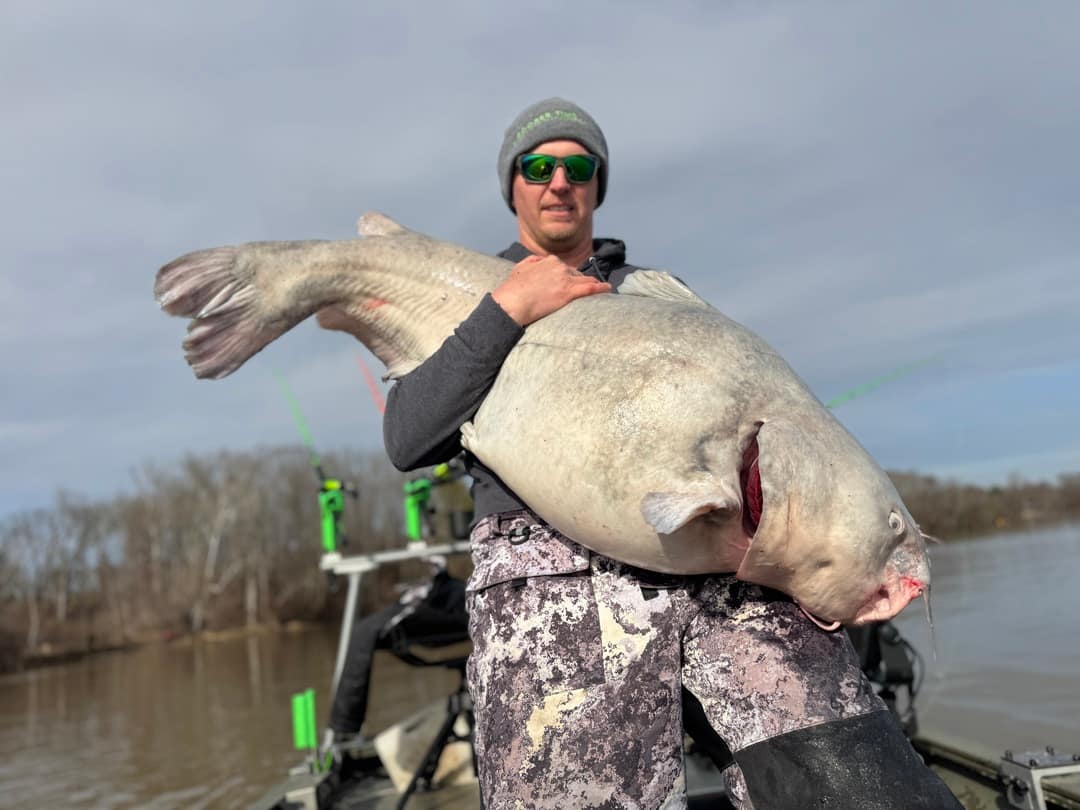

Catfish are among the most adaptable freshwater species, thriving in rivers, lakes, and reservoirs across a wide range of climates. Yet despite their resilience, their feeding habits are far from random. Like many fish species, catfish respond directly to environmental changes, particularly those tied to seasonal transitions.
Understanding seasonal feeding behavior is essential for anglers who want to maximize their catch rates. From water temperature shifts to bait availability, each time of year brings unique conditions that influence how, when, and where catfish feed. By aligning fishing strategies with these natural patterns, anglers can significantly increase their chances of landing both numbers and trophy-sized fish.
The Role of Water Temperature in Feeding Activity
Water temperature is one of the most influential factors governing catfish behavior. As cold-blooded animals, catfish rely on external temperatures to regulate their metabolism. This means their feeding intensity rises and falls in direct response to seasonal temperature changes.
During colder months, catfish metabolism slows considerably. They conserve energy by feeding less frequently and often remain in deeper, more stable water. As temperatures begin to rise in late winter and early spring, their metabolism increases, triggering a noticeable uptick in feeding activity.
The most active feeding typically occurs when water temperatures range between 70°F and 85°F (21°C to 29°C). Within this window, catfish become more aggressive, actively searching for food and covering larger areas. For anglers, this period represents prime fishing conditions.
Spring Awakening: The Start of Aggressive Feeding
Spring marks a turning point in the annual feeding cycle of catfish. As water temperatures climb and daylight hours increase, catfish emerge from their winter lethargy and begin feeding with renewed intensity.
This period is often referred to as the “pre-spawn feeding phase.” During this time, catfish consume large amounts of food to build energy reserves for spawning. Natural food sources such as shad, insects, and smaller fish become more abundant, creating ideal feeding conditions.
Shallow waters warm faster than deeper areas, making them hotspots for early spring activity. River systems, tributaries, and flats near spawning grounds often see increased catfish movement. Anglers targeting these areas during spring can experience some of the most productive fishing of the year.
Summer Patterns: Peak Feeding and Night Activity
Summer is widely considered the peak season for catfish feeding. With warm water temperatures and abundant food sources, catfish are at their most active. However, the intense heat of midday often pushes them into deeper or shaded areas where the water is cooler and oxygen levels are higher.
One of the defining characteristics of summer feeding behavior is the shift toward nocturnal activity. Catfish are naturally adapted to low-light conditions, and during the summer months, they often feed more aggressively at night. This allows them to avoid predators and take advantage of cooler temperatures.
Anglers who fish during early morning hours, late evenings, or overnight often see the best results. In addition, areas with structure such as submerged logs, drop-offs, and channels tend to hold feeding catfish during this season.
Fall Transition: Feeding for Survival
As summer fades into fall, catfish enter another critical feeding phase. With water temperatures gradually decreasing, they begin to prepare for the upcoming winter months. This period is characterized by increased feeding activity as catfish work to build fat reserves.
Unlike the consistent warmth of summer, fall brings fluctuating conditions that can influence feeding patterns. Cooler nights and shorter days signal the need for catfish to feed more efficiently. They often target high-protein food sources and may travel longer distances in search of prey.
During this time, catfish can be found in both shallow and deep waters, depending on daily temperature variations. Anglers who adapt to these changing conditions by adjusting bait and location can continue to experience strong fishing success well into the season.
Winter Slowdown: Reduced Activity but Not Inactivity
Winter presents the most challenging conditions for catfish anglers. As water temperatures drop significantly, catfish metabolism slows, resulting in reduced feeding frequency. However, it is a common misconception that catfish stop feeding altogether.
In reality, catfish continue to eat during winter, but their feeding windows become shorter and less predictable. They tend to remain in deeper waters where temperatures are more stable and may only feed during brief periods of favorable conditions.
Patience and precision are key during this season. Slow presentations, smaller baits, and targeting deep holes or channels can yield results, even in cold conditions. While winter fishing may not produce high numbers, it can still offer opportunities for dedicated anglers.
The Influence of Food Availability and Habitat
Beyond temperature, the availability of natural food sources plays a crucial role in shaping catfish feeding behavior. Seasonal changes affect the movement and abundance of prey species such as baitfish, insects, and crustaceans.
For example, spring often brings increased baitfish activity, while summer supports a wide variety of aquatic life. In contrast, winter sees a decline in available food, contributing to reduced feeding activity.
Habitat also plays a significant role. Catfish are known to seek out areas that provide both shelter and access to food. Structures like submerged timber, rocky bottoms, and river bends often serve as feeding zones throughout the year.
Understanding how food availability and habitat interact with seasonal changes allows anglers to make more informed decisions about where and when to fish.
Adapting Fishing Strategies to Seasonal Behavior
To successfully target catfish year-round, anglers must adjust their techniques based on seasonal conditions. This includes selecting appropriate bait, choosing the right fishing locations, and timing outings to match peak feeding periods.
For instance, spring and fall may call for aggressive tactics and larger bait presentations, while winter requires a more subtle and patient approach. Summer, on the other hand, often rewards those who fish during low-light conditions and focus on structure.
Rather than relying on a single method, successful anglers remain flexible and responsive to environmental cues. Observing water temperature, weather patterns, and fish activity can provide valuable insights that lead to better outcomes.
Turning Knowledge into Success
Seasonal feeding behavior is a fundamental aspect of catfish fishing that cannot be overlooked. Each season presents its own set of challenges and opportunities, shaped by temperature, food availability, and environmental conditions.
By understanding these patterns, anglers can move beyond guesswork and adopt a more strategic approach. Whether it’s targeting shallow waters in spring, fishing at night in summer, or slowing down techniques in winter, aligning with seasonal behavior is the key to consistent success.
As the fishing landscape continues to evolve, one thing remains constant: those who understand the rhythms of nature will always have the advantage.


