
Florida’s freshwater fishing scene continues to thrive in 2026, and catfish remain one of the most accessible and rewarding species for anglers statewide. Among the most popular targets are the so-called “barbed” catfish more accurately known as the Channel catfish and the larger, hard-fighting Blue catfish. While both species share similarities, their preferred habitats, feeding behavior, and growth potential differ significantly.
Understanding where and how to target each species can make the difference between a slow outing and a cooler full of quality fish. Here’s a detailed breakdown of where Florida anglers should focus their efforts in 2026.
Understanding the Difference: Channel vs. Blue Catfish
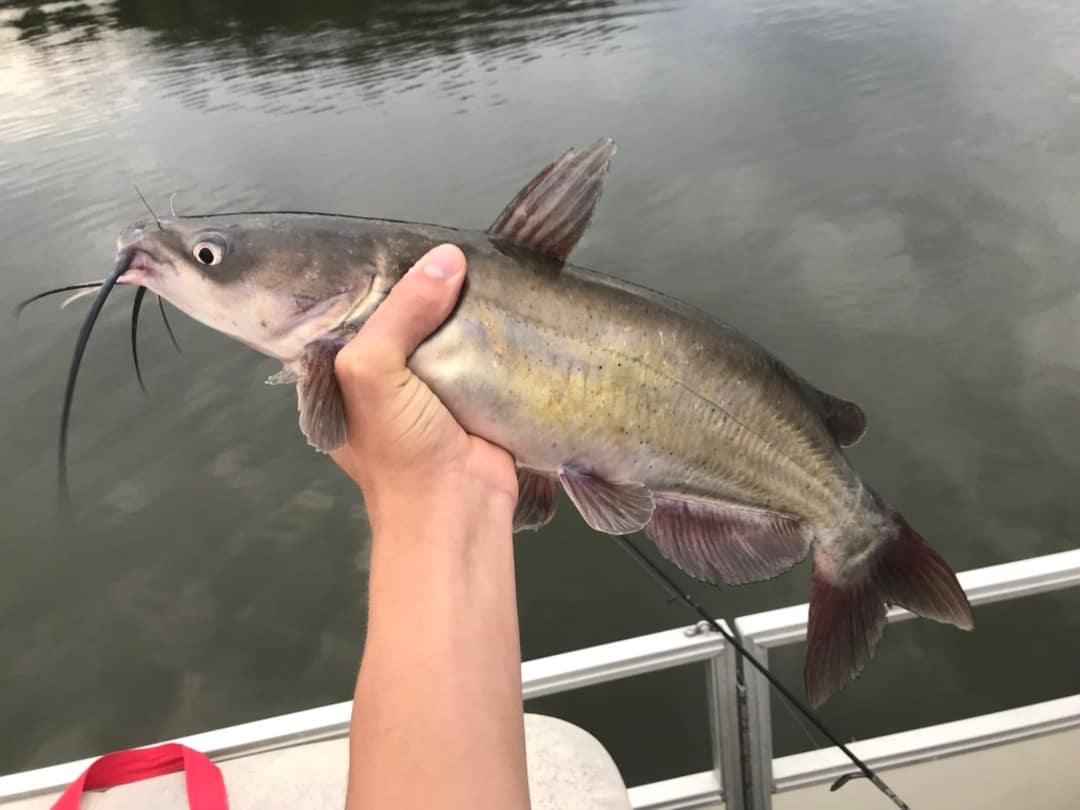
Before choosing a fishing location, it’s important to distinguish between these two species. Channel catfish—often casually referred to as “barbed catfish” due to their whisker-like barbels are widely distributed across Florida’s lakes, rivers, and reservoirs. They typically range from one to five pounds, although larger specimens are certainly possible.
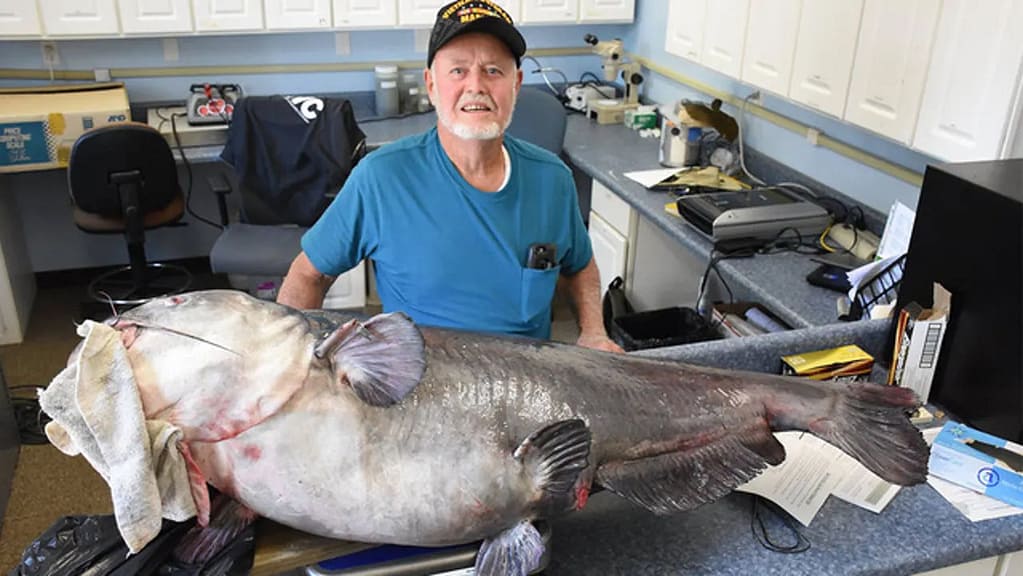
Blue catfish, by contrast, are known for their impressive size potential. In favorable waters, they can exceed 20 pounds, with trophy-class fish pushing even higher. Their elongated bodies, slate-blue coloring, and forked tails set them apart from channel cats.
From a behavioral standpoint, channel catfish are more tolerant of warmer, shallow environments and are often found in smaller lakes and ponds. Blue catfish prefer deeper, cooler waters and are commonly associated with large river systems.
Best Locations to Target Channel (Barbed) Catfish in Florida
Channel catfish thrive in diverse freshwater environments throughout the state. In 2026, anglers continue to find consistent action in:
St. Johns River System
St. Johns River remains one of the most productive waterways for channel catfish. Its slow-moving current and abundant forage create ideal conditions. Anglers fishing near submerged timber or deeper bends often experience steady bites, particularly during early morning and dusk hours.
Central Florida Lakes
Lakes around Orlando and Ocala including smaller public-access lakes offer excellent opportunities for bank and kayak anglers. These waters often warm quickly in spring, increasing catfish activity levels.
Lake Okeechobee
Lake Okeechobee is widely known for bass fishing, but it also supports healthy channel catfish populations. Fishing near grass edges and drop-offs can yield solid catches, especially during warmer months.
Channel catfish are opportunistic feeders, making them accessible to anglers using a range of bait options—from nightcrawlers and shrimp to prepared stink baits.
Where to Find Blue Catfish in 2026
Blue catfish require more strategic targeting due to their preference for deeper and more structured habitats. In Florida, they are more concentrated in select waterways rather than statewide distribution.
Upper St. Johns and Larger River Channels
In deeper segments of the St. Johns River, anglers have increasingly reported larger blue catfish catches. Focus on river bends, channel drop-offs, and areas with stronger current flow.
Panhandle Rivers and Reservoirs
Northern Florida rivers and reservoirs near the Georgia border have established blue catfish populations. These waters tend to provide cooler temperatures and deeper structure conditions favored by blues.
Unlike channel catfish, blue catfish are highly responsive to cut bait, particularly fresh shad. Larger specimens often patrol deep channels during daylight hours and move shallower during low-light periods.
Seasonal Strategy: Timing Your Effort
Water temperature remains a critical factor in catfish success. In spring and early summer 2026, warming waters trigger increased feeding activity for both species. However, their response differs slightly.
Channel catfish become more active in shallow flats as temperatures climb. Targeting areas with muddy bottoms or submerged vegetation can improve success rates.
Blue catfish, on the other hand, may remain in deeper water during peak daylight heat, especially in summer. Anglers targeting blues often find better results during evening hours or overcast days.
Bait and Rigging Differences
Though both species respond to scent-based bait, there are notable distinctions in preference and presentation.
Channel catfish often bite on:
- Nightcrawlers
- Shrimp
- Commercial dip or stink bait
Blue catfish typically respond best to:
- Fresh cut shad
- Cut mullet
- Larger chunks of oily baitfish
For channel cats, simple bottom rigs with moderate sinker weight work well in lakes. Blue catfish anglers frequently opt for heavier tackle and sturdy circle hooks to manage larger fish in current-heavy environments.
Gear Considerations for Each Species
While light to medium tackle can suffice for channel catfish, targeting blue catfish requires heavier equipment. A medium-heavy rod paired with strong braided line is often recommended for trophy blues.
Because blue catfish can make powerful runs, ensuring your drag system is smooth and reliable is essential. Channel catfish, though spirited fighters, typically do not demand the same level of heavy-duty gear.
Conservation and Regulations
Anglers should always consult current Florida Fish and Wildlife Conservation Commission (FWC) regulations before heading out. Size limits and bag limits may vary depending on region and species.
Responsible harvesting practices help sustain healthy populations of both channel and blue catfish. Catch-and-release for larger blue catfish is encouraged, particularly for trophy-sized specimens that contribute to breeding success.
Choosing the Right Target for Your Trip
Ultimately, deciding whether to pursue channel or blue catfish depends on your fishing goals.
If you’re seeking steady action, family-friendly fishing, and easy accessibility, channel catfish provide a reliable option across much of Florida.
If your objective is landing a heavyweight trophy and testing your tackle against a powerful freshwater species, blue catfish present an exciting challenge though they require more deliberate location scouting.
Final Thoughts: Florida Catfish Opportunities in 2026
Florida’s freshwater ecosystems continue to support thriving catfish populations, offering diverse opportunities for anglers at every experience level. Channel catfish dominate many lakes and slow-moving rivers, providing consistent action throughout the year. Blue catfish, while less widespread, reward those willing to seek deeper channels and stronger currents with the potential for trophy-sized catches.
By understanding habitat preferences, adjusting bait selection, and tailoring gear appropriately, anglers can significantly increase their success rate in 2026.
Whether you’re fishing from the bank at sunset or navigating a river bend by boat, Florida’s catfish waters offer an enduring blend of accessibility and adventure making both channel and blue catfish worthy targets this year.


