
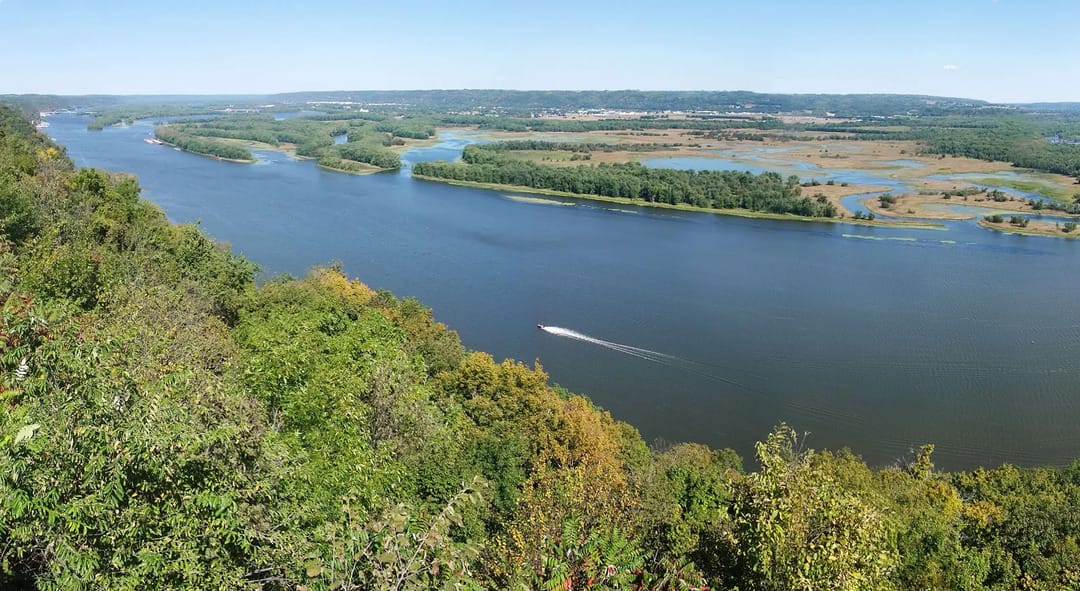

Anglers across the United States are reporting encouraging news this season: the catfish bite is improving in several major river systems, creating ideal opportunities for both recreational and experienced fishermen. Recent fishing reports from multiple regions suggest that warming water temperatures, stable river levels, and increased food availability are encouraging catfish to feed more actively.
These seasonal changes are particularly noticeable in rivers throughout the Midwest and southern United States, where catfish populations remain abundant and widely targeted by anglers. Rivers such as the Mississippi River, the Ohio River, and the Arkansas River have all produced promising reports of increased catfish activity.
For anglers who have been waiting for the right moment to head back onto the water, this improvement in the bite represents an excellent opportunity to target larger fish and enjoy productive outings.
Seasonal Conditions Driving Catfish Feeding Behavior
One of the primary reasons behind the recent improvement in catfish catches is the gradual transition in seasonal conditions. As water temperatures begin to rise, catfish become more active and begin searching for food more aggressively.
Temperature plays a significant role in catfish metabolism. During colder months, these fish tend to remain sluggish and conserve energy. However, as conditions warm, their feeding patterns intensify. Increased current flow from rainfall or snowmelt can also help stimulate activity by moving baitfish and other food sources through river channels.
Catfish are opportunistic feeders, meaning they take advantage of changing conditions to locate prey. When water levels stabilize and currents carry nutrients downstream, catfish often gather near deep holes, river bends, and underwater structures where food accumulates.
These factors combine to create ideal feeding conditions, leading to stronger and more frequent bites for anglers.
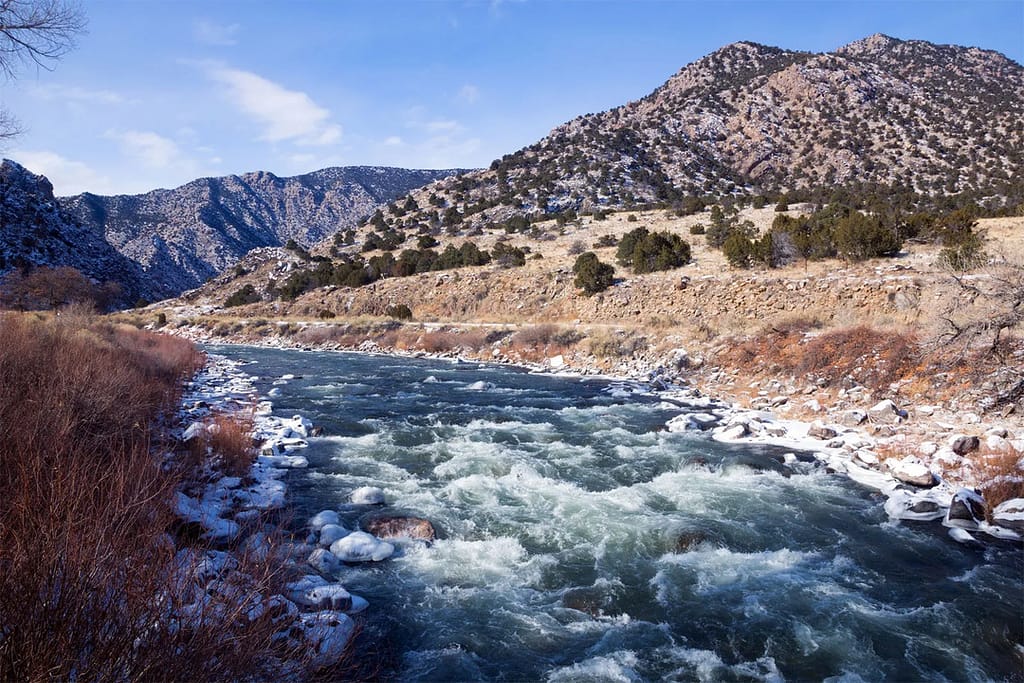
Productive Rivers Showing Strong Catfish Action
Recent fishing reports indicate that several rivers across the country are producing steady catfish catches. Anglers targeting deeper channels and current breaks are experiencing the most success.
In particular, sections of the Little River have produced consistent results for anglers fishing in deeper water areas. Reports suggest that catfish are being caught most frequently at depths between 12 and 16 feet, especially near submerged structure or areas where the current slows.
Similar reports have emerged from stretches of the Mississippi River and Ohio River, where anglers are landing both channel catfish and blue catfish. Large river systems often support multiple species of catfish, making them ideal destinations for anglers looking for trophy fish.
These waters offer diverse habitats, including deep pools, sandbars, and rocky ledges, all of which provide excellent feeding zones for catfish.
Popular Baits Producing Results
While location plays a major role in successful catfishing, the choice of bait can also make a significant difference. Many anglers have reported strong results using traditional catfish bait options.
Some of the most productive baits currently being used include:
- Cut bait such as shad or skipjack
- Punch bait and cheese-based mixtures
- Catalpa worms
- Chicken liver and other natural baits
These bait options are effective because they release strong scents into the water, helping catfish locate the source even in murky conditions.
Catfish rely heavily on their sense of smell rather than eyesight when feeding. This means scent-based bait can attract fish from considerable distances, increasing the chances of a successful catch.
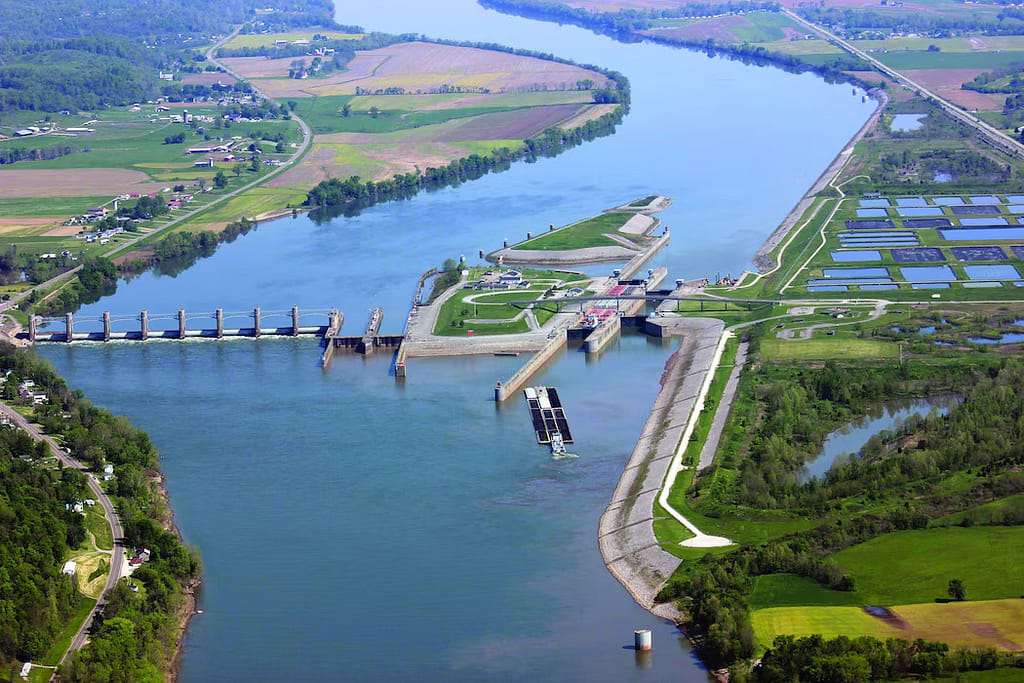
Targeting the Right Locations
Understanding where catfish tend to gather is essential for successful fishing. River systems contain numerous structures that can concentrate fish in specific areas.
Some of the most productive catfish locations include:
- Deep river holes
- Current breaks behind rocks or logs
- Channel edges and drop-offs
- Areas near submerged timber
These locations provide both shelter and easy access to food, making them ideal spots for catfish to wait for passing prey.
Anglers who position their bait near these structures often see more consistent bites compared to those fishing in open water.
Blue, Channel, and Flathead Catfish Active
Another reason the fishing outlook is promising is the presence of multiple catfish species in many river systems. Anglers targeting rivers this season have been catching a mix of:
- Blue catfish
- Channel catfish
- Flathead catfish
Each species behaves slightly differently and may prefer different habitats within the same river system.
Blue catfish often occupy deeper channels and are known for their impressive size. Channel catfish are more widely distributed and commonly caught by recreational anglers. Flathead catfish, meanwhile, prefer structure such as logs or submerged trees where they can ambush prey.
This diversity provides anglers with the chance to target different species during the same fishing trip.
Why Catfish Fishing Remains So Popular
Catfish fishing continues to attract anglers of all skill levels due to its accessibility and excitement. Unlike some forms of fishing that require specialized equipment or expensive gear, catfishing can often be enjoyed with relatively simple tackle.
Many anglers appreciate the challenge of catching large fish while also enjoying the relaxed pace that catfishing often provides. Whether fishing from a riverbank, boat, or dock, the experience can be both rewarding and social.
In addition, catfish are known for their strong fighting ability once hooked. Larger fish can produce thrilling battles that test an angler’s patience and skill.
Outlook for the Coming Months
If current fishing reports continue to hold true, the coming months could produce some of the best catfish fishing conditions of the year. As temperatures continue to rise and fish activity increases, anglers may see even stronger bites in rivers across the country.
Spring and early summer are traditionally excellent seasons for targeting catfish, particularly in rivers where water flow and food supply remain steady.
For anglers eager to experience the improving bite firsthand, now may be the perfect time to prepare rods, gather bait, and head toward their favorite river fishing spot.
With favorable conditions developing and fish becoming more active, the outlook for catfish fishing appears promising for the season ahead.


