
The best billfish tactics from the 2026 Pirate’s Cove Billfish Tournament did not come from guesswork. They came from scoreboard pressure, verified releases, smart lay-day choices, and a late charge by a crew that kept fishing like the leaderboard was still wide open. The 43rd annual event ran August 10-14, 2026, with boats fishing three of four scheduled fishing days, and the 2026 rules placed all boats under the same release-points system whether they carried omni-directional sonar or not Pirate’s Cove rules recap.
For anglers who care more about clean execution than dock talk, that detail matters. The tournament was not just a flashy offshore scorecard. It was a working classroom. Ninety-four boats competed, the fleet released 448 billfish, and Tarheel, a 64-foot Bayliss captained by John Bayliss, finished with 2,200 points and collected $560,095 across entered categories 2026 tournament results. Those numbers give serious crews something useful: a pressure-tested look at how decisions stack up over multiple fishing days.
Billfish Tactics From The 2026 Scoreboard
Billfish Tactics For Release Points
The clearest lesson is simple: know the scoring system before you decide how aggressive to be. In 2026, a verified blue marlin release carried more value than an unverified one, while white marlin, sailfish, spearfish, and unverified blue marlin releases were lower-value releases under the tournament’s points structure. That is not just paperwork. It changes how a cockpit should behave the second a fish shows itself.
A crew chasing release points needs a verification plan before lines go in. Who grabs the camera? Who confirms species? Who keeps the daily card visible if the rules require it? Who stays locked on the rod angle while the mate handles leader work? If that sounds boring, imagine losing high-value points because the proof was weak. Tournament fishing has plenty of chaos already. Verification should not be one more loose end.
For your own spread of billfish tactics, turn release documentation into a drill. Run it at the dock. Run it during a slow troll. Assign jobs by name, not by hope. One angler fights. One crew member films. One confirms the tournament identifier. One logs time and species. That rhythm keeps the team from turning a hot bite into a cockpit argument.
Why Release Volume Can Beat Early Comfort
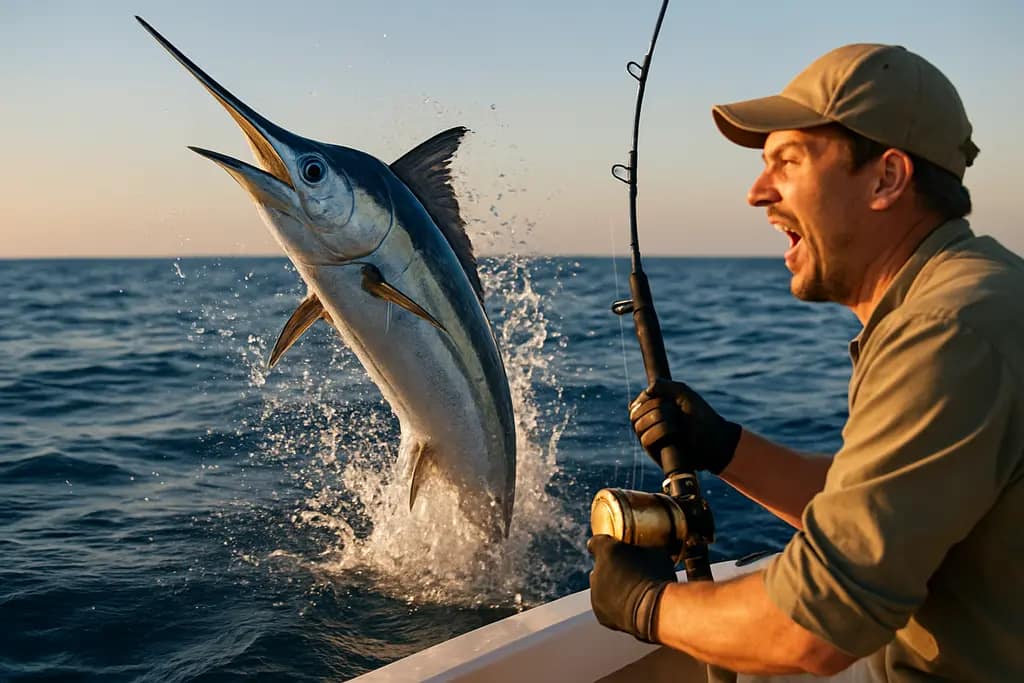
Tarheel’s Day 3 performance showed how fast a tournament can tilt. The boat released six sailfish, two blue marlin, and a white marlin on that day, earning the daily win and moving into championship contention. That kind of mixed-species release day is a reminder that tournament crews should avoid getting emotionally married to only one bite pattern once the day starts changing.
If sailfish are showing and marlin are still possible, a disciplined crew keeps catching. That does not mean abandoning the plan every ten minutes. It means reading the water, staying alert to species mix, and keeping the cockpit ready for the next bite instead of daydreaming about the one that got away. High release counts create scoreboard pressure. They also protect a team from relying on one heroic fish.
Crew Decisions That Separated The Field
Lay-Day Strategy Is Not A Rest Day Guess
The 2026 format required teams to fish three of four scheduled fishing days, which made the lay-day choice a tactical decision rather than a casual break. A good lay-day call should weigh weather windows, fatigue, boat condition, and what the crew believes about the bite. Nobody gets that call right by staring at the dock and asking who looks tired.
Build a lay-day process before tournament week. Check the marine forecast, but also check your crew. Are your anglers making clean decisions? Are mates sharp on the leader? Is the captain seeing the spread clearly, or has four hours of glare turned the bridge into a guessing booth? Tired crews miss details. Fresh crews still need a reason to sit out. The point is not to rest because resting feels nice. The point is to fish your strongest three days.
This is where boat control and crew communication start to pay back all those practice hours. If you need a sharper framework for angles, drift, and keeping the boat where the bite is developing, study tactical boat positioning and adapt the core habits to offshore trolling. Different water, same truth: boat placement shapes opportunity.
Final-Hour Pressure Rewards Prepared Teams
On Friday, August 14, 2026, Tarheel added 300 points with about two hours left on the final day and moved past Builder’s Choice and Stream Weaver. That is the kind of finish every captain wants and every rival hates. It also teaches a useful lesson: the last two hours deserve the same discipline as the first two.
Too many crews fade late. Sandwich wrappers pile up, camera batteries are low, leaders are not checked, and the spread gets a little lazy. Fish do not care that the crew is tired. If the rules allow lines in, the team has to keep behaving like the winning bite is still swimming behind the boat. These billfish tactics are not glamorous, but they win arguments with the clock: fresh leaders, charged cameras, clear radio discipline, and anglers who know their job before the rigger clip pops.
Species Mix And Meatfish Lessons
Do Not Ignore Side Divisions
The 2026 event also awarded meatfish divisions, including heaviest dolphin at 25.4 pounds, heaviest wahoo at 41.9 pounds, and heaviest tuna at 67.3 pounds. Those divisions do not replace billfish focus, but they can affect how a crew thinks about opportunity during a long day offshore. If tournament rules allow side entries and the crew is prepared, species variety can spread risk.
That does not mean dragging a confused spread that does nothing well. It means understanding every line in the water. If a lure or bait choice can create a legal meatfish chance without hurting your release plan, the crew should know why it is there. If it slows down the main mission, pull it. Tournament spreads should have purpose, not decoration.
Use Species Variety Without Losing The Main Target
Tarheel’s big Day 3 included sailfish, blue marlin, and white marlin releases. That is not a small detail. It shows the value of staying mentally flexible while still fishing with intent. A crew that only celebrates one species may miss the scoreboard value of another. A crew that chases everything at once may fish like a garage sale.
The practical answer sits in the middle. Keep the main plan built around billfish releases, then train your crew to identify and execute cleanly across the species likely to appear. Calls should be short. Rod assignments should be obvious. The angler should know whether to push drag, settle in, or simply keep steady pressure based on the fish and tackle in play. Smart billfish tactics rely on recognition as much as reaction.
Practice Plan For Tournament Crews
Run A Verification Drill Before Lines In
If there is one habit I would borrow from the Pirate’s Cove result sheet, it is this: practice the non-fishing tasks until they feel like fishing tasks. Verification, logging, camera work, leader checks, and crew communication all become part of the catch. Treat them that way.
- Assign the camera role before leaving the dock. The person filming should know where to stand and how to avoid blocking the angler or mate.
- Call species clearly. If the crew is unsure, say so and keep recording until the fish gives a better look.
- Protect the final hour. Save energy, spare leaders, and camera power for the part of the day when standings can still flip.
- Debrief after each release. Ask what was clean, what was slow, and what needs to be fixed before the next bite.
These habits are not only for big-money tournaments. Charter crews, club teams, and weekend anglers can all benefit from cleaner systems. Better systems reduce panic. Less panic means better decisions. Better decisions put more fish on the board and more smiles on the ride home.
Train For Sonar-Era Efficiency Without Depending On It
The 2026 scoring change around sonar use is a useful reminder: equipment can help, but it does not replace crew readiness. If a boat has advanced fish-finding tools, the crew still has to convert marks and opportunities into clean releases. If a boat does not have those tools, it still needs tight spread management, sharp eyes, and disciplined cockpit work.
Build practice days around decisions, not just hookups. Change a teaser position and watch the spread. Rotate anglers through the chair or stand-up positions. Practice clearing lines without turning the cockpit into a yard sale. Review how the captain calls out a fish and how each crew member responds. Strong billfish tactics are usually a stack of small tasks done correctly under pressure.
Why Pirate’s Cove Billfish Tactics Matter
The 2026 Pirate’s Cove Billfish Tournament offered a clean lesson for every serious offshore angler: late points count, verified releases count, and crew systems count. Tarheel’s win was built on a major Day 3 surge and a final-day move that came with roughly two hours left. That is enough evidence for me to keep the crew sharp until lines are out, not until everyone feels satisfied.
Take the tournament lesson back to your own boat. Decide your lay-day logic before emotions get loud. Know the scoring rules before the first bite. Keep documentation gear ready. Train for mixed-species action without losing focus. Most of all, fish the final hours with purpose. That is where polished billfish tactics stop being theory and start showing up on the board.


