
Let’s be honest – most fishermen treat their body like a rental car with unlimited mileage. Gas station hot dogs and energy drinks might feel like fuel, but they’re not effective. They’re like putting regular unleaded in a high-performance engine.
Your fishing performance isn’t just about gear and technique. When you’re battling a trophy fish or working tricky currents for hours, your body operates at athletic levels. Research shows that optimal performance doesn’t need special diets. It just needs the right angler nutrition principles.
Think of your metabolism as the engine and your food as premium fuel. We’re exploring how macronutrients make the difference between landing legends and telling “the one that got away” stories.
Energy-Boosting Food Choices
While politicians talk about money, anglers should think about carbs. Your body uses carbs like a Tesla uses electricity – well and for a long time.
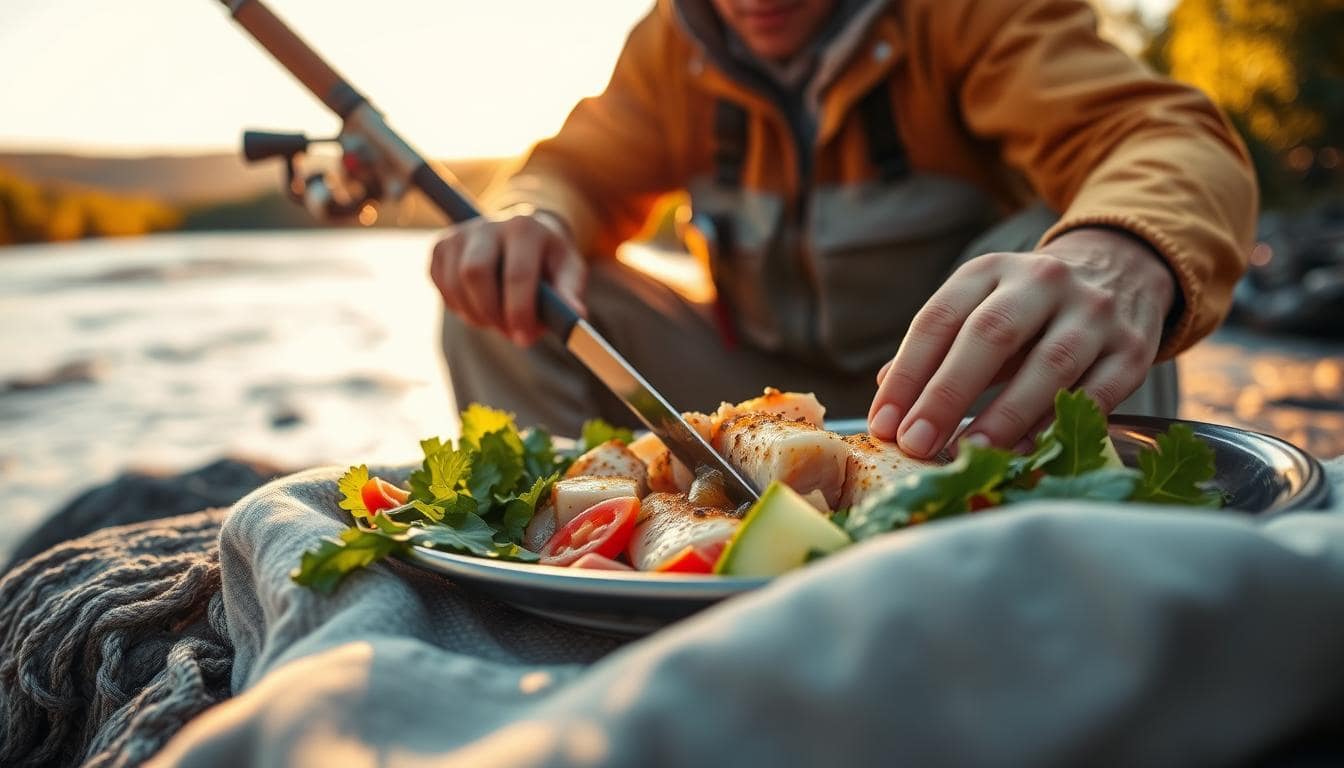
Complex carbs give you energy that lasts for hours. Think whole-grain bagels, oatmeal, or quinoa salad. These are your strategic reserves – the energy that keeps you focused when that trophy fish appears late in the day.
Simple carbs are your tactical weapons. Fresh fruit, yogurt, or granola bars deliver quick energy hits when you need immediate fuel. These snacks become critical during intense fishing moments.
I’ve watched more tournaments than I can count, and the pattern is clear. The anglers who plan their nutrition like Navy SEALs plan missions consistently outperform those who don’t. Their secret weapons?
- Trail mix with nuts and dried fruit
- Whole-grain crackers with peanut butter
- Fresh bananas and apples
- Dark chocolate for those 4 AM starts
One tournament pro I observed pulled a perfectly portioned quinoa container from his cooler while others ate potato chips. He won that day, and I’m certain his food choices contributed more than luck.
For a complete guide on fishing nutrition, check out this complete guide to angler nutrition. It covers everything from meal timing to hydration strategies.
Remember: your best snacks aren’t just fuel – they’re competitive advantages. Pack smart, fish longer, and outlast the competition both politically and piscatorially.
Hydration Tips for Long Days
Dehydration is a silent killer on fishing trips. While everyone focuses on lures and line weight, your body needs water. I’ve seen anglers defeated by dehydration more than by tricky fish.
On hot days, you sweat a lot without noticing. You can lose up to 32 ounces per hour in humid weather. That’s four cups of fluid gone while you’re perfecting your cast.
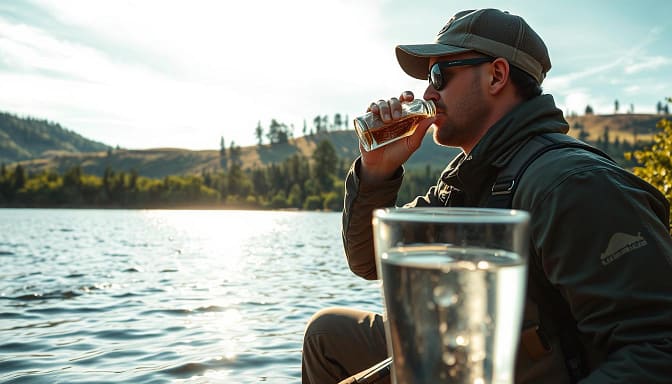
Make your water bottle your most valuable gear. Drink 4 ounces every 15-20 minutes, even if you’re not thirsty. Waiting for thirst means you’re already behind.
Should you use sports drinks or water? For tournaments or extreme weather, electrolyte drinks are good. But for regular fishing, water with salt and lemon is better.
Check your urine color. If it’s like apple juice, you’re dehydrated. Clear or light yellow means you’re doing well.
Don’t overlook hydration. Proper hydration keeps your mind sharp for important fishing decisions. When you’re well-hydrated, you’ll catch bites others miss.
For more hydration solutions for fishing, we’ve got you covered. We offer smart strategies beyond just drinking water.
Dehydration can make your brain shrink. No wonder you make poor decisions when you’re thirsty. Keep fluids nearby, drink regularly, and your fishing will improve.
Packing Healthy Meals Afloat
Let’s dive into the secret of top anglers. They don’t just show up with fast food. Instead, they pack their coolers like pros, ready for a long day on the water.
Switching to bento boxes changed my game. My meals were now perfectly portioned and kept me going all day. It wasn’t just about the food; it was about feeling like a pro.
Great tournament meals need three things: keeping food at the right temperature, texture, and taste. Ice packs are key, placed above your food to keep it cool. Waterproof containers help keep your food fresh and dry.
Choose foods that get better with time. Teriyaki chicken and spaghetti and meat sauce get better as they sit. Soft tacos stay together, making mealtime a breeze.
What makes tournament meals stand out?
- Compartmentalized containers prevent flavor bleed
- Strategic ice placement creates temperature zones
- Foods that taste good cold (no warm yogurt surprises)
- Portion control that matches energy expenditure
- Quick-access snacks for sudden energy needs
Pros treat their coolers like a command center. Each item has its spot, based on when it’s needed and how sensitive it is to temperature. Pre-made tournament meals go in the cold zone, while snacks are easy to grab.
Planning your meals like a pro can give you an edge. It’s not just about eating; it’s about fueling your performance when every cast matters.
Your cooler might look like a mess to others. But when you’re the only one casting well at 3 PM, your tournament meals strategy is your secret weapon.
When & What to Eat
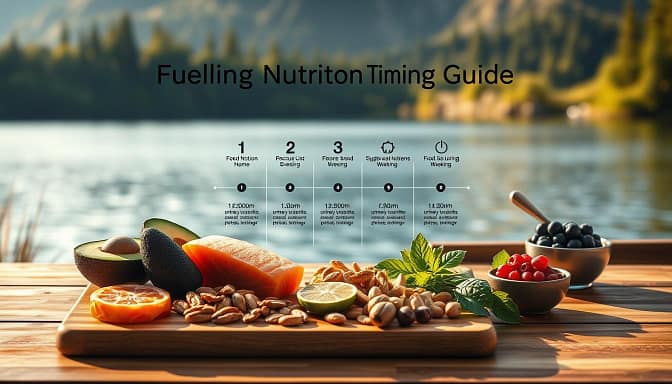
Meal timing is key, not just for Olympic athletes. It’s vital when you’re fighting a big fish on an empty stomach. I’ve found the 3-2-1 rule to be lifesaving on bad fishing days.
Three hours before fishing, eat a big meal. Go for complex carbs like oatmeal or whole grain toast. Two hours later, have a big snack. And one hour before fishing, just have a little bit to eat.
What you eat is as important as when. Your pre-dawn breakfast should be full of carbs and light on fats. I learned this the hard way after a bacon-heavy breakfast made me sleepy.
While fishing, eat small amounts often. It’s like fishing with a steady retrieve, not jerky motions. I keep energy bars and nuts handy for quick snacks between casts.
After fishing, your body needs nutrients. I used to drink beer right away, but it made me feel terrible. Now, I eat a protein-rich meal within an hour of finishing.
Timing is not just about avoiding hunger. It’s about performing better. Get it right, and you’ll fish longer, focus better, and recover faster. Get it wrong, and you might lose expensive gear.
Avoiding Fatigue
Fatigue is like your body’s warning light. That feeling of tiredness in the afternoon, where even experienced anglers make mistakes? It’s not just tiredness. It’s diminished cognitive function and slower reaction times. Your brain is running out of fuel.
I’ve seen tournament pros miss strikes they’d normally catch. Their casting gets worse, like the stock market. It’s not about drinking more coffee. It’s about knowing fatigue builds up over time. The third day is when the difference shows.
Fluid loss really affects strength and endurance. Iron transports oxygen to cells, preventing fatigue. It’s not about being tough. It’s about giving your cells what they need.
Timing your nutrients is key. Keep blood sugar levels steady, avoiding energy highs and lows. When my focus starts to fade, I grab a snack. Sometimes, the best thing to do is to pause and refuel.
Pay attention to your body’s signals. When your concentration wavers, it’s a sign to prioritize nutrition. In fishing and life, it’s often better to prevent mistakes than to try to fix them.
Conclusion
Treating your body like a high-performance machine makes fishing exciting. Good nutrition keeps you sharp during fishing. It’s what separates casual anglers from those who catch a lot.
Meal planning is as key as choosing the right lure. Your body needs the same care as your fishing gear. Creative meals keep you at your best all day.
For your next fishing trip, choose your meals wisely. You’ll stay focused and ready for anything. A well-fueled body could land you the big catch. Now, go make some fishing memories.


