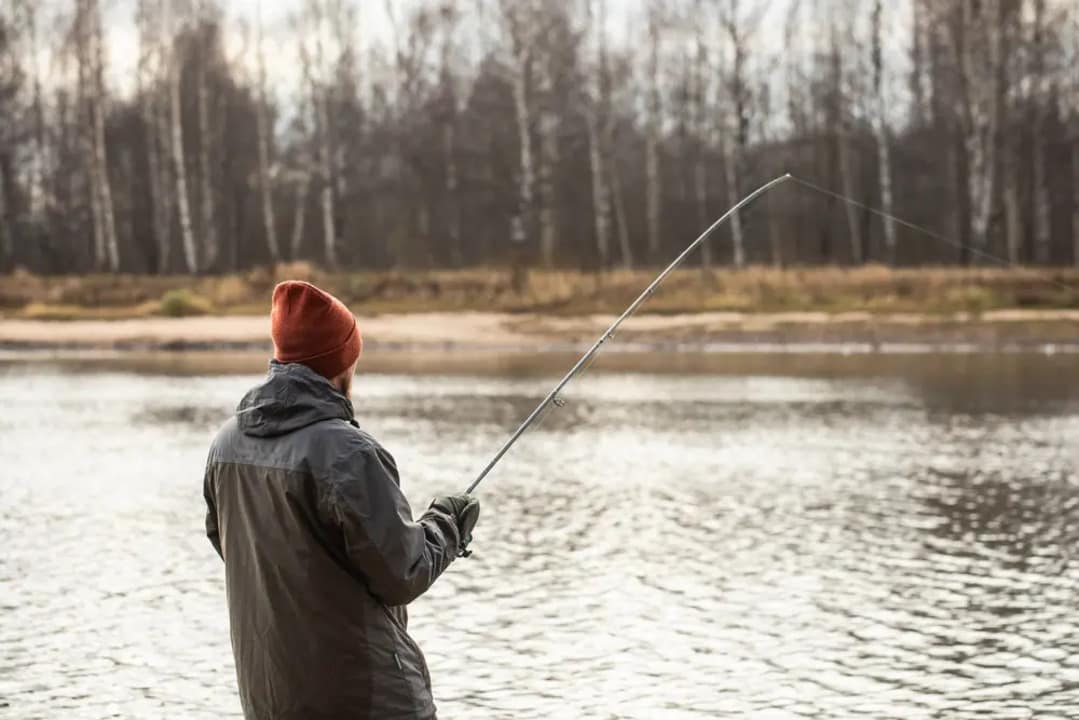

Learning to read catfish water is the difference between casting with a plan and simply soaking bait where the bank looks comfortable. Catfish may be opportunistic, but they are rarely random; current, depth, scent, cover, and bait movement usually point to the better water before the first rod goes out. The best anglers see those clues early and spend less time waiting in dead water.
That matters because catfishing rewards patience only after location is right. A productive hole, seam, or inflow can make simple tackle look brilliant, while poor water makes even perfect bait feel useless. This same location-first mindset connects naturally with fishing deep river holes, where current and depth often decide whether catfish are feeding or simply holding.
Read Catfish Water Before You Pick a Bait
Bait matters, but water decides whether that bait has an audience. Catfish use smell, vibration, and bottom structure to find food, so the best cast usually lands where scent can travel and fish can feed without wasting energy.
A good first scan starts with movement. Is water pushing around a bend? Is a creek pouring into a lake? Is wind stacking bait along one shoreline? Is foam collecting along a line that shows current direction? Those small signals help narrow a large stretch of water into a few high-percentage targets.
The mistake is treating every open bank as equal. The water has a pattern, and catfish tend to use the parts that deliver food with the least effort.
Current Seams Are Catfish Highways
A current seam is where faster water meets slower water. In rivers and spillways, seams often appear as lines, wrinkles, bubbles, or drifting debris moving at different speeds. Catfish use those edges because food gets carried past them while they hold in softer water.
Do not cast only into the hardest current. Heavy flow may move bait quickly, drag rigs out of position, and force fish to work too hard. The better target is often the inside edge of the push, the downstream side of a logjam, or the soft pocket behind a rock, piling, or bend.
USGS water tools can help anglers check river level and flow trends before a trip, especially after rain or during low-water periods. A quick look at real-time conditions through the National Water Dashboard can explain why yesterday’s productive seam disappeared overnight.
Eddies, Foam Lines, and Muddy Inflows Give Away Feeding Lanes
Eddies are turning pockets of slower water near current. They are valuable because drifting food can circle or pause there. Catfish do not need to chase as hard, and a well-placed bait can sit longer in the strike zone.
Foam lines also deserve attention. Foam, leaves, pollen, and small debris often collect where surface flow concentrates. That same line can carry insects, small fish, and scent. If a foam line leads toward cover or a drop-off, it deserves a bait.
Muddy inflows are especially important after rain. Dirty water entering clearer water can create a feeding edge, not just a visibility problem. Catfish are comfortable using scent in stained water, and fresh runoff may carry worms, insects, and other food into the system. Color changes can be targets, not warnings.
Drop-Offs and Bottom Changes Matter More Than They Show
Catfish spend much of their time near bottom features anglers cannot see from shore. A drop-off, ditch, ledge, channel swing, or hard-to-soft bottom transition can hold fish even when the surface looks empty.
Bank anglers can read these clues indirectly. A steep shoreline often continues underwater. A point may extend farther than it appears. A river bend may cut a deeper outside edge while the inside turn stays shallow. Windblown banks may collect bait and scent, especially when they meet deeper water.
The best approach is to cast different distances and angles until the bottom tells a story. A sinker that falls quickly may be hitting deeper water. A rig that drags through leaves, shell, sand, or mud reveals bottom texture. Those details help build a map.
Use this quick reading guide before choosing your first cast.
| Water Clue | What It Usually Means | Best First Cast |
|---|---|---|
| Current seam | Food moving beside softer holding water | Edge of the faster flow |
| Eddy | Food circling or slowing down | Downstream pocket |
| Foam line | Surface flow concentrating debris and scent | Along the foam edge |
| Muddy inflow | Runoff carrying food and odor | Color-change line |
| Steep bank | Possible nearby depth change | Parallel to shoreline |
| Bait flickers | Small fish or insects active | Slightly deeper nearby water |
A table cannot replace time on the bank, but it keeps the first 20 minutes focused. The goal is not to cover everything; it is to test the most logical feeding lanes first.
Bait Movement Shows Whether the Cast Is Working
A bait that sits where scent can move is different from bait that disappears into dead water. After casting, watch the rod tip, line angle, and drift. If the rig rolls constantly, the current may be too strong. If the bait never moves scent away from the hook, the spot may be too still.
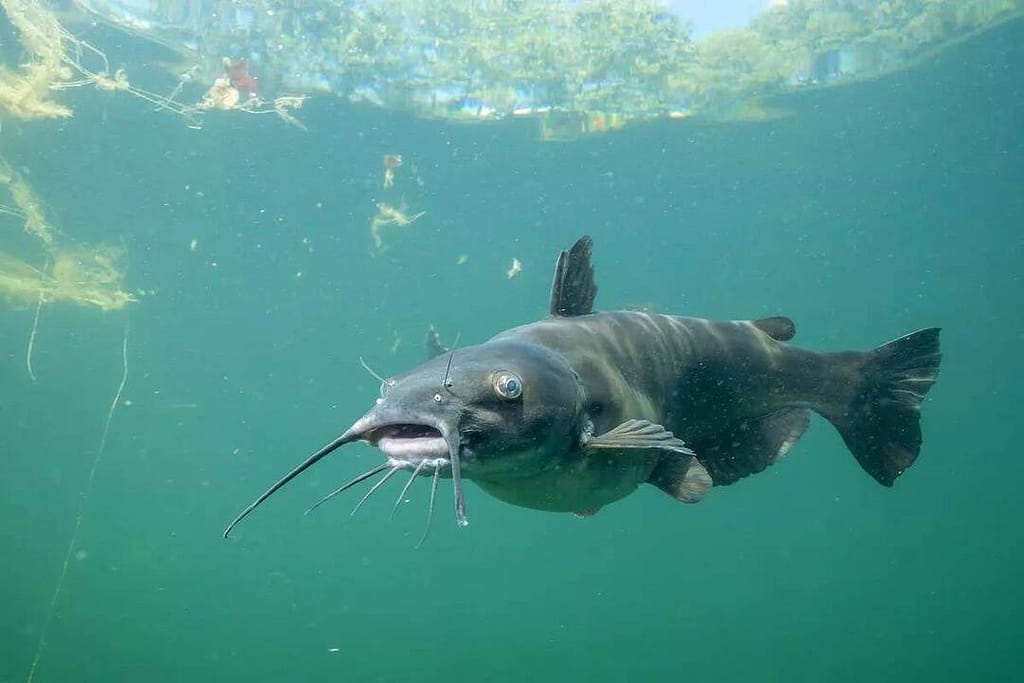
The Florida Fish and Wildlife Conservation Commission notes that catfish locate food by smell and often respond well to strong-odor baits such as chicken liver, shrimp, cut mullet, and stinkbaits. That makes location even more important because scent must travel through useful water, not just sit in place near empty bottom. The agency’s catfish guidance also notes that many catfish become active near dusk and at night, which can make water-reading even more valuable before light fades on Florida catfish spots.
A good water read does not guarantee a bite, but it gives the bait a job. Scent needs a lane.
The Next Signal Is When the Water Changes
The best catfish water is not fixed. Rain, heat, boat traffic, wind, falling water, and nighttime cooling can shift feeding lanes within hours. A productive seam in the morning may weaken by afternoon. A quiet inflow may turn alive after a storm.
The pressure point for anglers is movement. If the first cast was based on a real clue but nothing happens, adjust with purpose. Move from hard current to softer edges, from shallow flats to nearby depth, or from clear water to stained water where scent travels better.
Learning to read catfish water gives every trip a sharper starting point. The opportunity is simple: spend less time guessing, more time interpreting, and more time placing bait where catfish already expect food to move. The water is never silent; the question is whether the angler is watching closely enough before casting.


