
Florida catfish regulations can look simple until an angler pulls into a Fish Management Area and finds a different rule posted at the water. That is where the easy weekend trip can turn into a costly mistake: channel catfish limits, gear rules, motor restrictions, and access hours may change from one managed lake or pond to the next. The smarter play is to check the local rule before the first bait hits bottom.
Catfish anglers often think in terms of bait, depth, current, and weather, but managed waters add another layer. The same setup that works on open water may not be legal everywhere, and the difference matters just as much as finding the right hole. Picking the right species and water still matters, especially when comparing Florida catfish waters, but Fish Management Areas require a rule-first mindset.
Florida Catfish Regulations Are Not One-Size-Fits-All
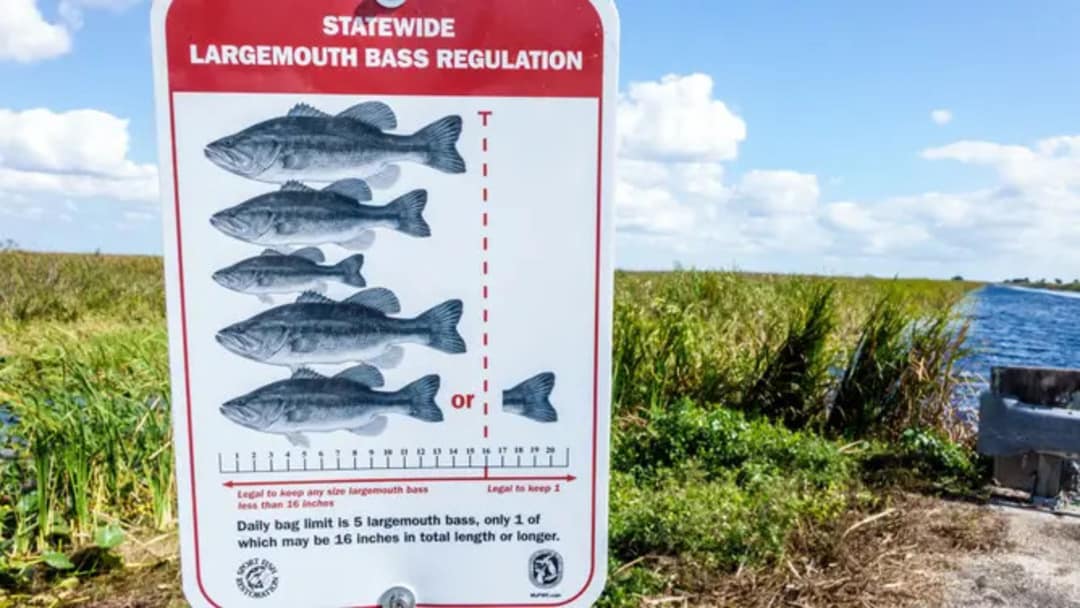
The biggest misunderstanding is assuming the statewide freshwater rulebook answers every catfish question. It gives the base, but Fish Management Areas can carry special limits or restrictions that override the casual assumption anglers bring from another lake.
That matters because many catfish are treated differently from traditional game fish, but channel catfish rules can still vary by location. Some managed waters list no bag limit for channel catfish, while others set a six-fish limit or add more specific restrictions. In a few places, the rule is not only about how many fish an angler keeps, but also how the fish may be taken.
The practical takeaway is simple: the water name matters. A rule that applies at one Florida lake may not apply at another lake in the same region.
Fish Management Areas Add Local Pressure Points
Fish Management Areas are managed for public access, fish production, angling opportunity, and site-specific conditions. That is why the rules can feel more detailed than a normal lake outing. A small urban pond with stocked fish and bank pressure does not have the same management needs as a large natural lake.
The FWC’s Fish Management Area rules show how much variation can exist. Some waters restrict gasoline motors. Others prohibit cast nets, minnow seines, swimming, firearms, or certain kinds of gear. Trotlines may be allowed in one place, limited by time in another, or restricted around docks and public-use areas.
That can surprise anglers who treat catfish as a low-maintenance target. Catfishing often rewards patience and simple gear, but managed waters demand a more careful read. Legal access is part of the pattern, not a separate issue to check later.
The Rules That Should Be Checked Before Every Trip
The first check is the channel catfish bag limit for the exact water. Do not rely on memory from a previous trip unless it is the same Fish Management Area and the same current rule cycle. Limits can be different even among familiar counties.
The second check is gear. Rod and reel may be straightforward, but cast nets, minnow seines, wire traps, bush hooks, set lines, and trotlines can carry location-specific restrictions. Catfish anglers who use bait-catching gear or passive gear need to be more careful than anglers carrying one spinning rod and a tub of worms.
The third check is access. Some managed waters have posted hours, boat limitations, idle-speed rules, or restrictions on where vehicles may go. A legal fish can still become part of an illegal trip if the angler violates access or boating rules tied to that water.
Use this simple pre-trip scan before fishing a Florida Fish Management Area.
| Rule Area | What to Check | Why It Matters |
|---|---|---|
| Bag limit | Channel catfish limit for that named water | Some areas list no limit; others set smaller limits |
| Gear | Rods, nets, trotlines, traps, or bait-taking rules | Legal methods can change by management area |
| Access | Open hours, posted closures, parking, bank access | Some rules are tied to public-use schedules |
| Boats | Gas motors, idle speed, airboats, horsepower limits | Boat rules can shape where and how anglers fish |
| Local signs | Posted updates at ramps or entrances | On-site rules may clarify current restrictions |
The table does not replace the official rulebook, but it gives anglers a cleaner checklist. The most common mistake is checking only the species rule and ignoring the site rule.
Catfish Limits Can Change the Whole Fishing Plan
A six-fish channel catfish limit changes how an angler should approach a day. It may encourage more selective harvest, faster release decisions, and better cooler discipline. A no-bag-limit water creates a different choice, though responsible harvest still matters if the goal is to keep the fishery productive.
This is also where species identification becomes more than trivia. Channel catfish, blue catfish, white catfish, bullheads, and nonnative catfish may not always be viewed the same way in every context. Misidentifying fish can create confusion when the rules refer to a specific species.
The safest habit is to identify the fish before it goes in the cooler. If there is doubt, photograph it, compare key features, and avoid turning a guess into a possession problem. A fast limit check beats a ramp-side argument after the trip.
Licenses, Signs, and Rule Updates Deserve a Fresh Look
A Florida freshwater fishing license is generally required to take or attempt to take freshwater fish unless an exemption applies. That basic requirement still matters in Fish Management Areas, even when the target is common, stocked, or considered easy to catch. Anglers should check the freshwater regulations before relying on old screenshots, forum comments, or outdated printed copies.
The official rulebook also notes that rules can change between publications. That is a key point for catfish anglers because management decisions can be local, practical, and tied to a specific water. A favorite pond may have a posted update that does not match what an angler remembers from last season.
The best routine is boring but effective: check the named water online, read the entrance sign, confirm gear, then fish. If a rule looks unclear, the conservative choice is usually better than assuming the most flexible interpretation.
The Next Pressure Point Is Local Compliance
The future of Florida catfishing will not be shaped only by bigger fish, better bait, or more tournament attention. It will also depend on anglers proving that public waters can handle pressure without creating enforcement problems.
That pressure is especially visible in urban and heavily used Fish Management Areas. More bank anglers, more family fishing trips, and more harvest attention can make site-specific rules more important. A simple channel catfish limit is not just paperwork; it is one way managers balance opportunity with crowding, stocking, and fair access.
Florida catfish regulations are worth checking because they protect both the trip and the water. The angler who knows the limit, gear rule, access window, and posted restrictions has a better chance of fishing confidently instead of guessing. In managed waters, the best catfish plan starts before the bait bucket opens.


