
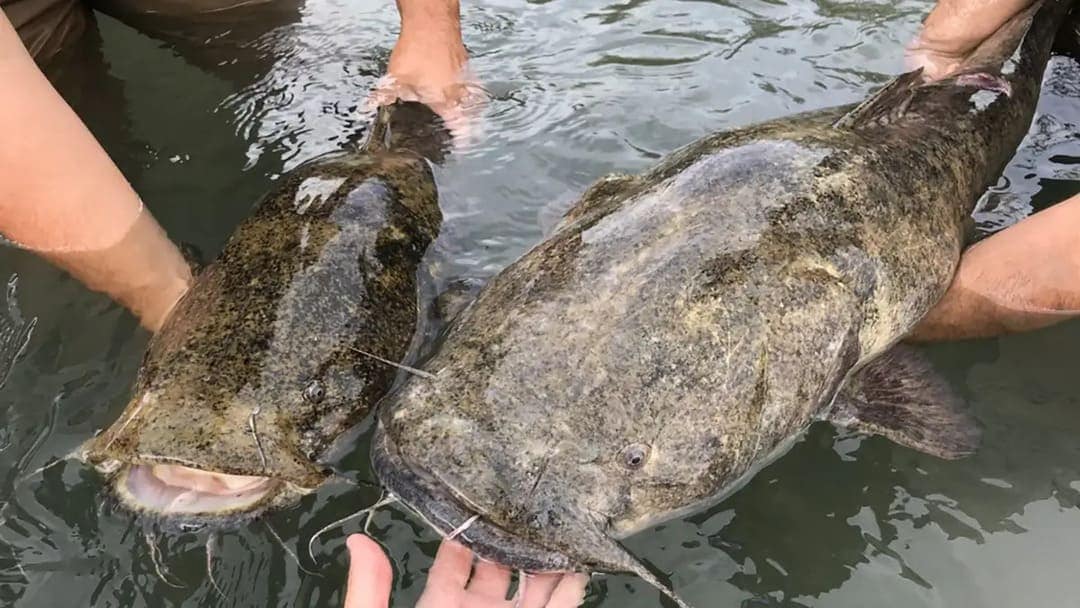

Trying to catch catfish after rain can feel confusing because the same storm that wakes up one bank can ruin another. Heavy runoff pushes food, scent, mud, and current through the water at once, and catfish respond fast when the conditions line up. The trick is not simply fishing after a storm; it is knowing which part of the water changed in a way catfish can use.
Rain gives anglers a short tactical advantage because catfish are built to feed where visibility is poor and scent matters. A broader look at murky water tactics helps explain the visibility side, but post-rain catfish fishing adds another layer: moving water, fresh food, and a bite window that can open and close quickly.
Why Rain Can Make Catfish Feed Hard
Catfish do not need clear water to hunt. Their whiskers and sensory system help them track food by smell and vibration, which is why a muddy shoreline is not automatically bad news. After rain, water often carries worms, insects, small baitfish, and organic material into creeks, ponds, lakes, and river edges.
That sudden food movement can pull catfish out of lazy holding areas. A dead bank may turn active if runoff starts pushing scent across it. A shallow flat that looked empty before the storm may become useful if bait gets swept over it.
The catch is that not all rain helps. A light, steady rain can cool the surface and add activity. A violent storm may flood the system, scatter bait, and create unsafe current. The best post-rain bite usually happens where fresh water enters with enough flow to move food, but not so much force that fish have to fight it.
Where to Catch Catfish After Rain
The best spots after heavy rain are rarely random. Start where water enters the system: creek mouths, drainage pipes, culverts, ditch outflows, feeder creeks, and flooded cuts along the bank. These areas act like conveyor belts, moving scent and food into zones catfish can patrol.
In rivers, look for current seams instead of the hardest current. Catfish may sit just off the push, using slower water to hold position while food drifts past. Outside bends, logjams, undercut banks, and the downstream side of structure can all become stronger after rain if they collect bait.
In ponds and small lakes, the best area is often the dirtiest incoming water meeting slightly cleaner water. That color line can create a feeding edge. Cast one bait into the stained flow and another just outside it, then let the fish tell you which side is working.
FWC notes that Florida catfish anglers commonly target channel, flathead, blue, white catfish, and bullheads, with many catfish feeding heavily by smell and favoring bottom presentations with strong-scented baits. That makes post-rain runoff especially relevant when choosing where to set up near Florida catfish waters.
Best Baits When the Water Turns Muddy
Muddy water rewards scent, oil, and natural movement. Fresh cut bait is often the strongest choice when bigger catfish are the target because it releases oils and scent into the current. Shad, mullet, bluegill where legal, and other baitfish can work well when matched to local rules.
Chicken liver, shrimp, worms, and stink bait also have a place, especially for channel catfish and smaller waters. Worms can be especially useful after rain because runoff naturally washes them into the water. The bait should smell strong enough to travel but still stay on the hook long enough to fish effectively.
Do not overlook bait size. Small bait can get picked apart when the water is active. Oversized bait can reduce bites if fish are feeding on smaller washed-in food. A smart spread uses one strong-scent bait, one natural cut bait, and one smaller option until the pattern appears.
The Mistake That Wastes the Muddy-Water Bite
The biggest mistake after rain is fishing yesterday’s spot just because it worked before the storm. Catfish may still use deep holes, but rising water often changes the feeding lane. If runoff is pouring into the bank and the angler keeps throwing only to the deepest middle water, the bait may sit below the active zone.
The second mistake is staying too long in dead water. Rainy conditions can create a powerful bite, but it usually has signs: bait activity, moving water, fresh debris, birds working, or small fish flicking near the edge. If a spot has no current, no scent movement, and no visible change from the rain, it may not be worth an hour.
Safety belongs in the strategy too. Rain can raise rivers quickly, make banks slick, and turn small crossings dangerous. The Virginia Department of Wildlife Resources warns that rain can improve fishing by moving food and increasing activity, but lightning, rising water, strong currents, and slippery surfaces can make wet-weather fishing hazardous. Use that same caution around rain fishing safety.
Rainy-Day Catfish Strategy by Water Condition
| Water Condition | Best Target Area | Better Bait Choice | Main Risk |
|---|---|---|---|
| Light rain | Shallow banks near cover | Worms or shrimp | Moving too deep too soon |
| Heavy runoff | Creek mouths and culverts | Cut bait or stink bait | Unsafe current and debris |
| Rising water | Flooded grass and edge cover | Worms or fresh cut bait | Fish scatter across new water |
| Muddy river | Current seams and logjams | Oily cut bait | Casting into current too strong |
| Falling water | Drop-offs near inflows | Cut bait on bottom | Bite fades as food movement slows |
When the Post-Rain Bite Starts to Fade
Post-rain fishing is a timing game. The first productive window often comes when runoff begins carrying food into the system. The second can happen as the water stabilizes and catfish settle along seams, holes, and edges where scent still travels.
The fade usually begins when water stops moving food. If the inflow slows, the mud settles, and bait activity disappears, catfish may slide back toward deeper holes, heavier cover, or nighttime feeding routes. That does not mean the day is over, but it does mean the plan should change.
Watch the water instead of the clock. Fresh foam lines, drifting leaves, insects, minnows, and color changes all reveal where water is still working. If the current stops carrying scent, your bait loses reach.
The best way to catch catfish after rain is to treat the storm as a map, not a mood. Find where runoff enters, fish the softer edge of current, use bait with enough scent to travel, and move when the water stops telling you something. Heavy rain can create one of the best catfish windows of the week, but only for anglers who read the mud before it settles.
Catfish Feed FAQ’s
Do catfish bite better after rain?
Catfish can bite better after rain when runoff moves food and scent into the water. The best action usually comes near inflows, creek mouths, current seams, and flooded banks where catfish can feed efficiently.
What bait works best for catfish in muddy water?
Fresh cut bait, worms, shrimp, chicken liver, and stink bait can all work. In muddy water, scent matters more than appearance, so choose bait that releases odor and stays on the hook.
Where do catfish go when the water rises?
Catfish often move toward flooded edges, creek mouths, current breaks, and softer water near structure. They may avoid the strongest current while feeding close to areas where runoff delivers food.


