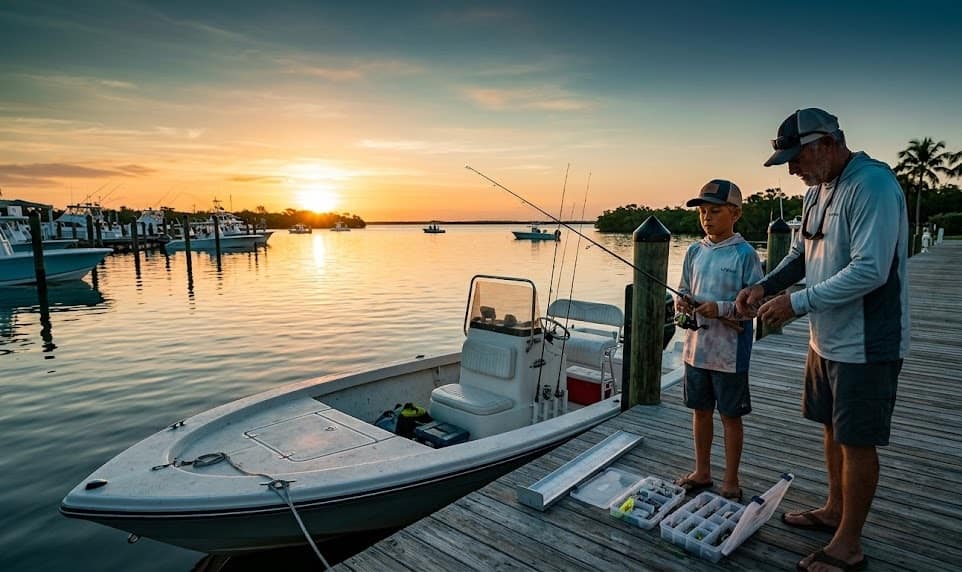

The 2026 CCA Florida STAR Youth Tournament is more than a summer fishing contest. For Florida families, young anglers, guides, tackle shops, boaters, and conservation-minded tournament organizers, it gives youth fishing a statewide platform from Memorial Day weekend through Labor Day. The event runs from May 23 to September 7, 2026, and CCA Florida has shifted STAR into a youth-only competition for anglers ages 6 through 17, putting scholarships, catch documentation, community service, and saltwater stewardship at the center of the format.
That structure fits a larger change in competitive fishing. Florida’s young anglers are not just learning how to cast, identify species, and read tide movement. They are learning how organized tournaments work: registration, rules, photo submissions, digital scoring, fish handling, and conservation habits. For a site built around serious angling and tournament culture, that makes STAR one of the clearest windows into how Florida fishing can build its next generation without losing the practical values that make the sport work.
Why STAR’s Youth-Only Format Changes The Tournament Conversation
CCA Florida’s decision to make the 2026 STAR Tournament youth-only gives the event a sharper identity. The official event page says the competition is now dedicated to scholarships, boats, community service hours, and prizes for kids ages 6 through 17, with $100,000 in college scholarships still attached to the program through the 2026 CCA Florida STAR tournament.
That matters because youth fishing events can sometimes become side divisions attached to adult competition. STAR reverses that model. The young anglers are not an add-on to the tournament; they are the tournament. That shift changes how families prepare, how adults mentor, how sponsors think about long-term participation, and how conservation messaging reaches the anglers who will shape Florida’s waters over the next decade.
The youth-only structure also lowers the intimidation factor. A 10-year-old catching a snapper, a 14-year-old logging trout entries, or a 17-year-old chasing the Teen Challenge is not competing against seasoned adult tournament teams with years of electronics, boat setup, and species-specific experience. The result is a format that rewards participation, responsibility, and documentation as much as high-end tournament polish.
That is why this event pairs naturally with broader Florida tournament coverage. Competitive fishing keeps growing when families can see a path from casual weekend trips to structured events, and that same progression has appeared in recent catfish tournament season coverage, where preparation, rules, water reading, and event discipline separate serious anglers from casual entries.
How Scholarships And Random Drawings Keep The Event Accessible
The scholarship model is one of STAR’s strongest features. CCA Florida says the tournament will continue awarding $100,000 in college scholarships to youth anglers ages 6 through 17, with winners determined by random draw from eligible entries. That format is practical for a youth tournament because it gives more families a reason to participate without turning the summer into a winner-take-all pressure test.
A young angler does not need to land the heaviest fish in Florida to matter in this competition. The eligible catch, the correct identifier, the proper submission, and the willingness to stay active through the summer all carry value. That matters for families fishing from shorelines, piers, flats boats, kayaks, bridges, and small family vessels across the state.
The random-draw structure also makes the tournament more resilient across Florida’s varied fishing geography. A family in the Panhandle does not fish the same waters as a family in the Keys. An angler near Tampa Bay may build a summer around snook, trout, redfish, or sheepshead, while a family on the Atlantic side may chase different species windows. A format that accepts daily entries across many saltwater species gives the event statewide reach instead of favoring one region too heavily.
| STAR Feature | Why It Matters For Youth Anglers | Practical Effect For Families |
|---|---|---|
| Youth-only format | Keeps the spotlight on ages 6–17 | Less pressure from adult tournament comparison |
| $100,000 in scholarships | Connects fishing participation with education | Gives families a long-term reason to enter |
| Random drawings | Rewards eligible participation, not just biggest fish | Makes the event more accessible |
| iAngler submissions | Teaches digital tournament habits | Builds documentation discipline |
| Trash Division | Links fishing with shoreline stewardship | Creates community service value |
The scholarship setup also helps fishing compete with other youth sports. Baseball, soccer, basketball, and football often offer clear seasonal structures, camps, and development language. Fishing has sometimes been treated as more informal, even when it demands patience, skill, and local knowledge. STAR gives young anglers a real calendar, a clear incentive, and a summer-long reason to stay engaged.
Why Digital Catch Documentation Teaches Real Tournament Habits
The 2026 STAR format is built around digital submissions. The iAngler Tournament page lists the competition dates as Saturday, May 23, 2026, to Monday, September 7, 2026, and describes the event as a youth fishing tournament with Youth Scholarship and Trash divisions. Registration is handled through iAngler, and entries must be submitted through the app or the tournament website.
That process matters because tournament fishing is increasingly tied to clean documentation. A catch is not just a catch once prizes, scholarships, and leaderboards are involved. Anglers need to understand deadlines, identifiers, photo requirements, species rules, and entry limits. STAR teaches those details in a family-friendly structure.
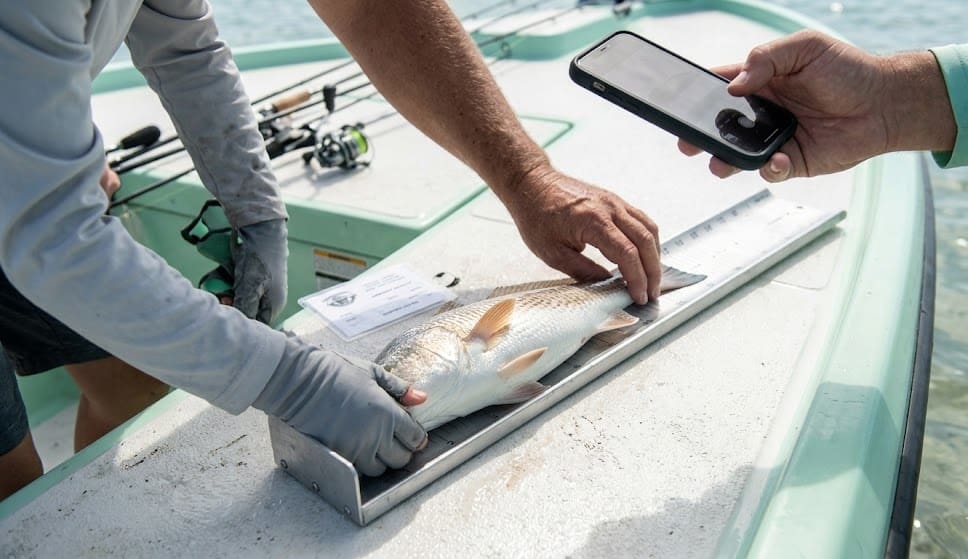
The rules require entries to be submitted within 24 hours of each catch, with digital photographs showing the fish and the 2026 STAR Official Identifier. Tarpon and bonefish receive extra handling rules, including in-water photographs and release requirements. Those details push young anglers toward better habits: plan before the trip, know the target species, keep the identifier ready, avoid sloppy photos, and respect fish that demand careful handling.
This is where adult mentorship becomes central. Parents, captains, guides, older siblings, and family friends are not just driving the boat or baiting hooks. They are teaching young anglers how to follow the competition framework. That is a valuable lesson for anyone who may later fish adult tournaments, captain’s meetings, weigh-ins, catch-photo-release events, or conservation-centered formats.
For adult readers who follow the wider sports internet, it is also useful to keep youth fishing coverage separate from gambling-adjacent sports discussion. Forums and comparison spaces such as best offshore sportsbook apps belong in a different lane from youth angling development, where the focus should stay on rules, family participation, fish handling, and responsible outdoor competition.
How The Trash Division Connects Competition With Stewardship
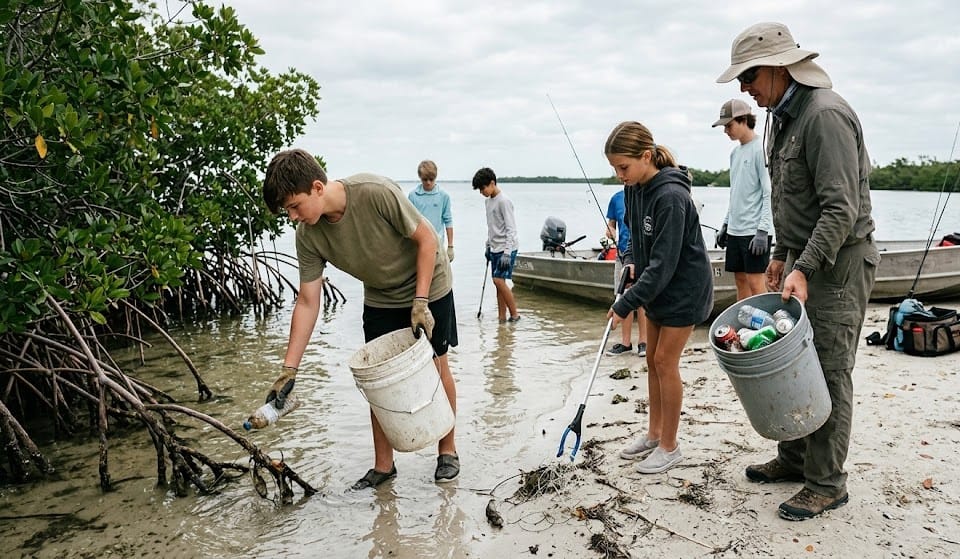
The STAR Trash Division may be the most useful part of the tournament for Florida’s long-term fishing culture. Youth participants can submit cleanup entries by collecting a minimum five-gallon bucket of garbage from a shoreline or while fishing on the water, using the STAR Identifier in the photo submission. The format also allows larger debris to be reported with location details so it can be removed.
That creates a direct link between fishing access and responsibility. Young anglers learn that the boat ramp, shoreline, mangrove edge, pier, jetty, marina, and spoil island are not just places to use. They are places to protect. For Florida, that lesson carries real weight because fishing pressure, coastal growth, tourism, and water quality concerns all meet in the same spaces.
The community service component gives families another practical reason to participate. Youth anglers can earn 30 minutes of community service credit for each eligible five-gallon bucket of trash they collect and dispose of. That turns cleanup from a lecture into a measurable activity connected to the tournament.
The value is not only environmental. It is cultural. Tournament anglers who learn early to clean up after themselves, respect launch sites, and document debris are more likely to carry those habits into adulthood. That matters at the local level, where tournament organizers depend on public ramps, marina partners, civic cooperation, and landowner goodwill.
Florida fishing needs that kind of next-generation buy-in. If youth tournaments only teach catching, they miss part of the sport. STAR’s format teaches the full loop: prepare, fish, document, release when required, clean up, submit correctly, and respect the water that made the day possible.
Why Florida’s Rules And Species Variety Make STAR A Better Learning Ground
Florida gives young anglers a rare tournament classroom. The STAR boundaries cover state waters in the Gulf, Atlantic, Florida Bay, the Florida Keys, and connected federal waters from the Florida-Alabama boundary around to the Florida-Georgia boundary. That statewide footprint means the event can introduce families to a wide range of saltwater species and regional fishing styles.
The iAngler listing includes target species such as redfish, snook, spotted seatrout, bonefish, flounder, sheepshead, pompano, black drum, tarpon, jacks, croaker, whiting, mahi, wahoo, grouper, snapper, cobia, tuna, mackerel, permit, tripletail, shark, sea bass, porgy, triggerfish, billfish, ladyfish, and trash entries. That variety helps young anglers learn the difference between general fishing and species-aware fishing.
Rules make that learning process more serious. Florida Fish and Wildlife Conservation Commission saltwater regulations apply across species, seasons, bag limits, slot limits, gear rules, and state-water boundaries. Families should check the FWC saltwater fishing regulations before each trip, especially if they are targeting regulated species or fishing in areas where state and federal rules may differ.
That rule awareness is part of youth development. A good young angler should know more than how to fight a fish. They should know whether the fish can be harvested, whether it needs to be released, whether a season is open, where the catch occurred, and what documentation the tournament requires. STAR gives families a reason to build those habits during normal summer fishing trips.
For Florida Catfish Classic readers, the saltwater focus may be different from a freshwater catfish event, but the tournament logic is familiar. The best competitors prepare before launch. They read rules. They organize gear. They understand how scoring works. They treat deadlines seriously. They learn from each outing. STAR gives young anglers that same competitive framework in a way that still feels accessible.
What Families, Guides, And Local Fishing Communities Should Watch
The biggest impact of the 2026 STAR Youth Tournament may come from how many different groups it touches. Families get a summer activity with structure. Guides get a reason to teach catch handling and documentation. Tackle shops get a steady youth-focused conversation around gear, identifiers, species, and trip planning. Conservation groups get a platform that turns cleanup and release ethics into tournament habits.
Local communities should watch how the event affects participation around ramps, marinas, piers, shoreline parks, and family fishing areas. A statewide youth tournament can spread activity across the entire summer rather than concentrating it into one crowded weekend. That helps families fit fishing around school breaks, weather windows, travel, and work schedules.
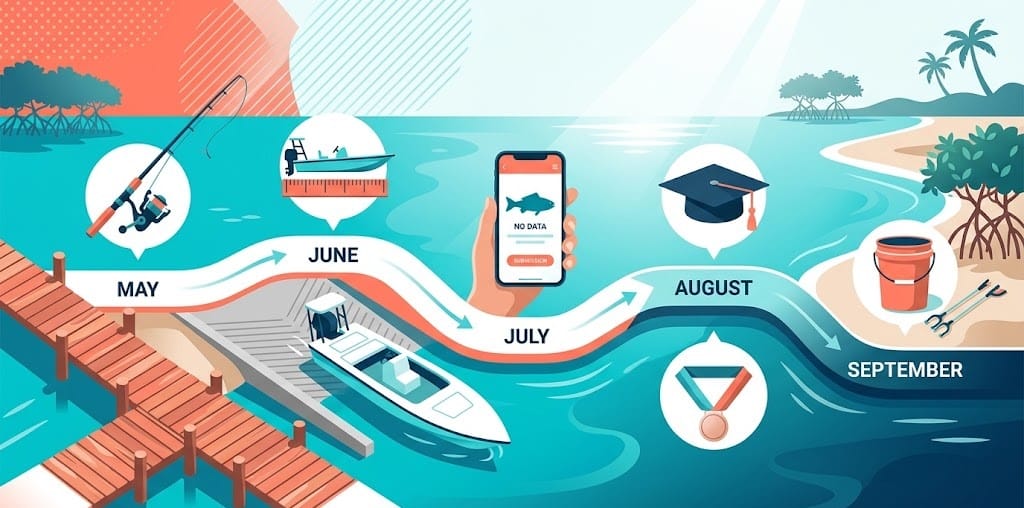
The event may also help build confidence in young anglers who do not yet see themselves as tournament competitors. A child who submits a few entries this summer may become a teen who takes preparation more seriously next year. A teen who competes in the Teen Challenge may later fish adult inshore events, volunteer at cleanups, mentor younger anglers, or support local conservation work.
That is the real value of STAR. The event is not just producing winners. It is producing habits. It teaches young anglers how to think about rules, water, species, documentation, stewardship, and competition in the same summer-long rhythm. For Florida fishing, that kind of structure can matter far beyond one prize drawing.
Why This Tournament Matters Beyond Labor Day
When STAR ends on September 7, 2026, the final value of the event will not be measured only by scholarships, boats, or prize packages. The deeper test is whether more young anglers finish the summer with better habits than they had in May.
That means more kids who know how to identify species. More families who understand tournament entry rules. More teens who can use a fishing app correctly. More young anglers who know why tarpon and bonefish handling rules exist. More shorelines cleaned by participants who see conservation as part of the sport rather than a separate chore.
Florida’s fishing future depends on that mix of access, skill, and responsibility. Youth tournaments can create excitement, but the best ones do more than hand out awards. They give families a reason to fish with purpose and give young anglers a clear path from casual participation to serious outdoor sports culture.
The 2026 CCA Florida STAR Youth Tournament matters because it treats young anglers as the center of the story. For a state where fishing is tied to family weekends, coastal identity, local businesses, and conservation pressure, that is exactly the kind of tournament model worth watching.


