
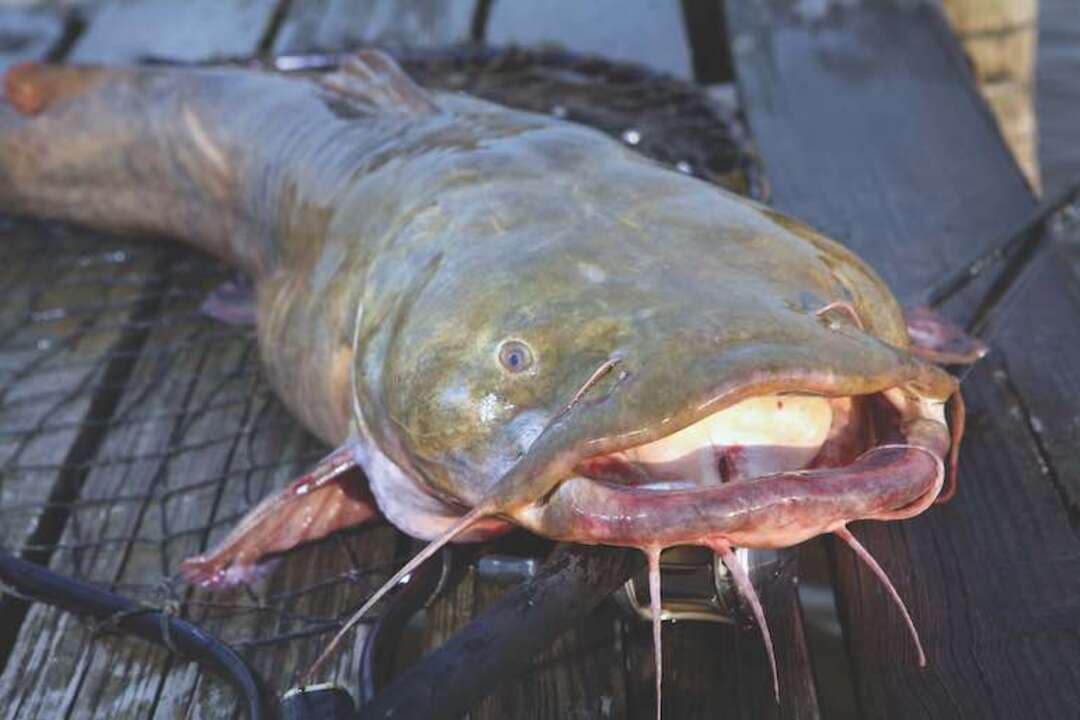

Catching catfish takes more than luck it’s both an art and a science. Among the arsenal of modern catfish anglers, sound-producing rattles have earned a unique spot for their ability to attract big cats when nothing else works. Whether you fish rivers, lakes, or reservoirs, understanding when and how to use rattles can turn mediocre outings into banner days.
Why Catfish Respond to Sound
Catfish are highly attuned to their murky environments, often relying on senses other than sight to locate food. Their lateral line system, a series of sensory organs running along the sides of their bodies, can detect vibrations and sound waves in the water. This makes catfish naturally responsive to unconventional attractants, including sound.
Sound-producing rattles a feature traditionally seen in bass or saltwater fishing create vibrations and noise that catfish can detect from surprisingly long distances. These sounds mimic distressed prey, struggling bait, or even the sound of feeding fish, triggering predatory instincts and drawing curious catfish to your rig.
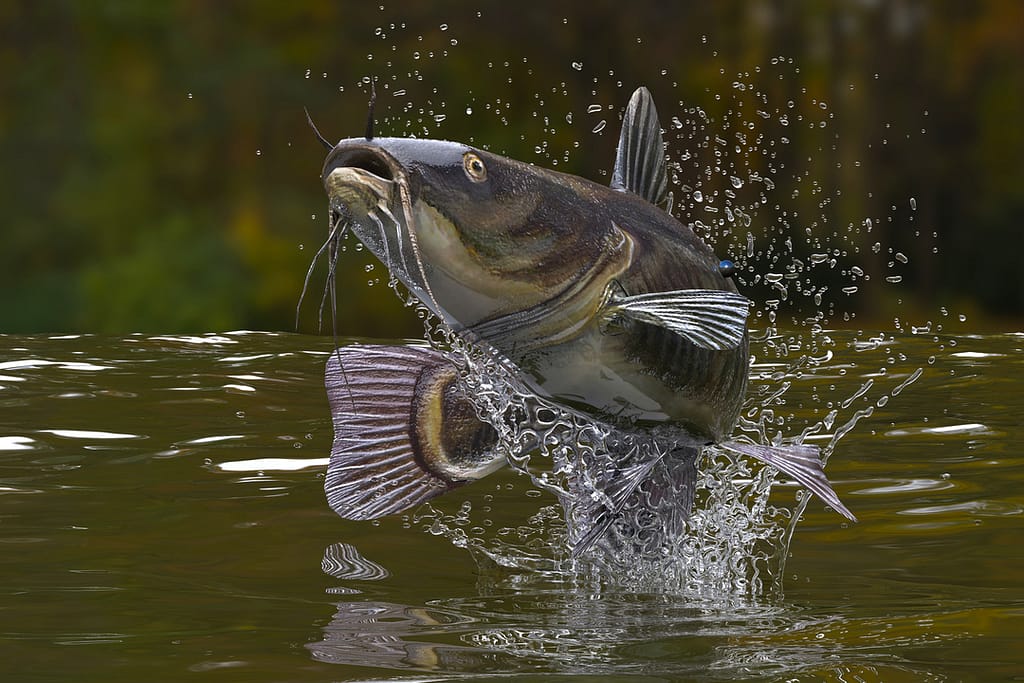
Types of Rattles and How They Work
Rattles come in various forms, including painted rattle beads, tube rattles, foam floats with inside rattles, and clasp-on models that attach to your rig. Anglers can incorporate rattles directly into their leader line, within bait presentations, or as part of a float rig.
- Plastic Bead Rattles: Inserted freely between sinker and hook, these produce a clicking noise when moved.
- Encased Rattles: Sealed tubes or pods filled with metal shot or ball bearings. They shake and emit louder rattling as current or movement rocks the rig.
- Rattling Floats: Foam or plastic floats containing an internal rattle chamber, helping suspend bait off the bottom while adding sound.
Each design creates vibrations meant to capture a hungry catfish’s attention especially effective in turbulent or muddy conditions where traditional visual lures lose their edge.
Best Times to Use Rattles for Catfish:
Murky or Stained Water Conditions
When water clarity is low, catfish rely even more on sound and vibration. Using rattles helps your bait stand out, calling fish in from distances where scent alone may not draw them.
Nighttime Fishing
Many catfish species feed heavily at night. Darkness further reduces visibility, putting sound tactics front and center. Rattled rigs remain highly effective from dusk till dawn, especially for trophy blue, channel, or flathead catfish.
Fast-Moving or Windy Currents
Aggressive currents can rapidly disperse scent trails and make it hard for fish to home in on stationary baits. Rattles help your presentation get noticed in the commotion and rattle more energetically as water flow increases.
When Bites Are Hard to Come By
On days when catfish are slow or pressured, adding a new sensory cue like sound can trigger reaction strikes. Rattles are worth a try if you’re fishing popular spots or when traditional baits aren’t working.
How to Rig Rattles for Catfish
Rigging rattles for catfish is simple but requires intentional placement for best results. Slide rattle beads or tubes onto your mainline above the hook and below the sinker, so that the movement of your bait and current activate the sound chamber. Alternatively, try rattling floats on slip rigs to suspend cut bait or live bait above structure where active catfish prowl.
Experiment with the number and size of rattles. While louder is often better in muddy conditions, subtle noise can pay off when fish are finicky or in quieter environments.
Do Rattles Work for All Catfish Species?
Rattles are effective for a variety of catfish species, but each responds differently. Blues and flatheads, known for their aggressive nature, often home in on rattled rigs. Channel cats, typically more scent-driven, can still be enticed, especially in turbid or dark waters.
Adjust your approach based on the target species and local conditions. In heavily pressured or clear water environments, scale back noise and rely more on natural presentation.
Pro Tips for Using Rattles in Catfish Fishing
- Change up rattle colors and sizes to match water conditions. Bright, noisy rattles may work in muddy water, while subtler tones are better in clear water.
- Pair rattles with strong-scented baits for a one-two punch of sensory appeal.
- Don’t be afraid to experiment sometimes a unique sound is all it takes to trigger curious or competitive catfish.
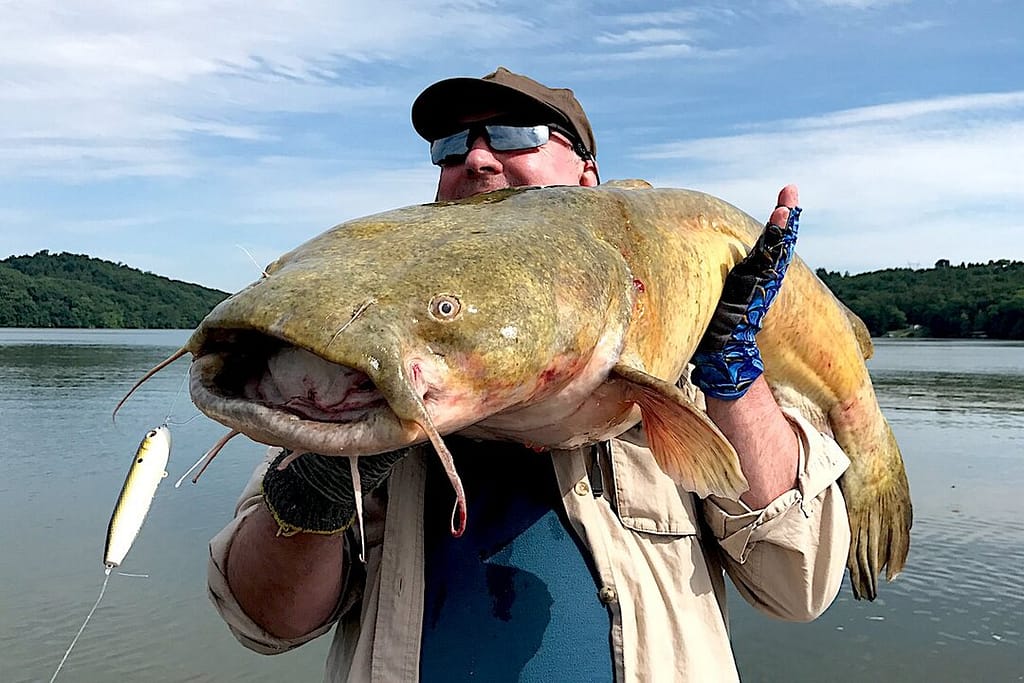
Ethics and Conservation Considerations
It’s important to use sound tactics responsibly. Maintain ethical fishing practices by releasing undesired fish promptly and using rigs that minimize deep hooking. Conservation ensures healthy catfish populations for future generations.
Make Every Cast Count With Rattles
Sound tactics can make a dramatic difference in your catfishing experience. By understanding when and how to use rattles in your rigs, you’ll put more catfish in the boat and expand your skillset as a versatile angler. Whether it’s an early morning bite or a midnight hunt, the right rattle could just be your ticket to a trophy catch.


