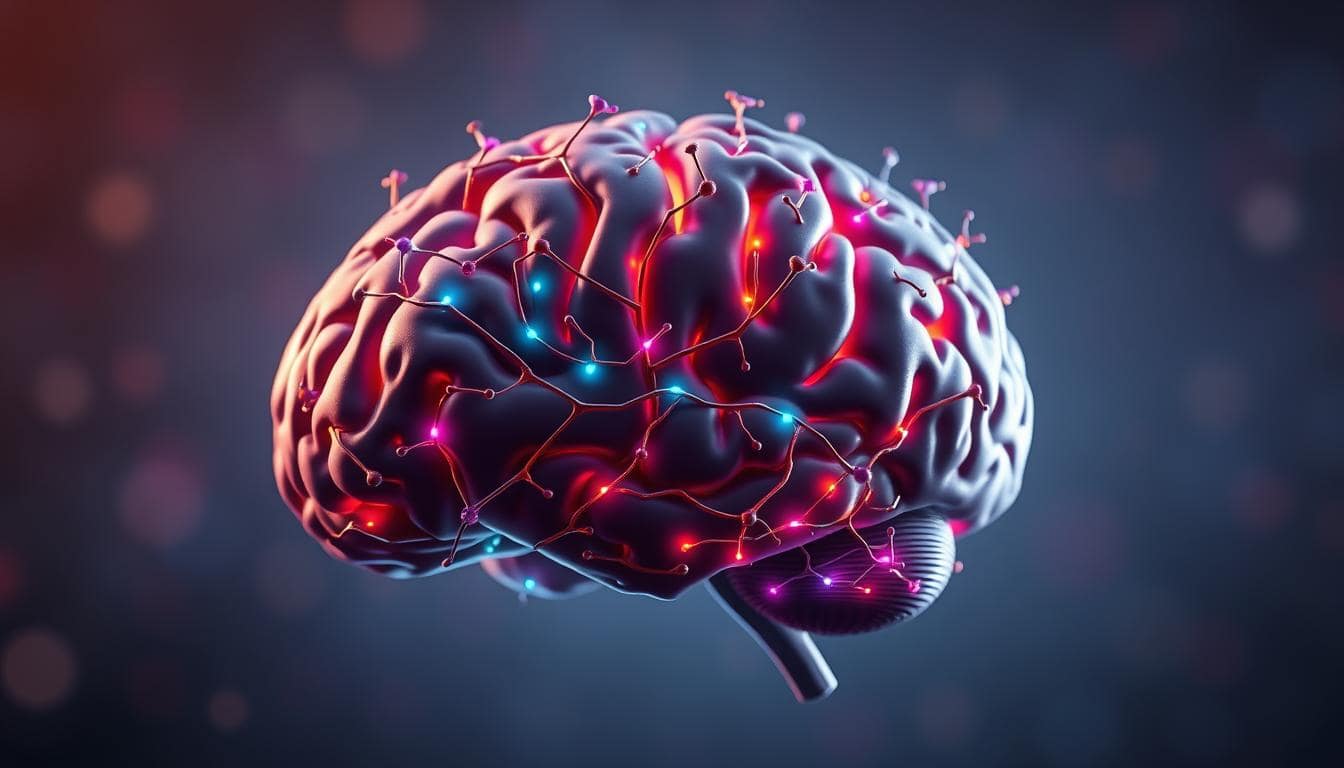

Let’s cut through the crystal-waving nonsense right now. What we’re discussing isn’t manifestation magic – it’s pure neuroscience.
Cleveland Clinic research shows something amazing. Just thinking about exercise can boost strength by up to 35%. It’s like getting gym results without leaving your bed.
Your brain can’t tell the difference between imagined actions and real ones. Neural pathways get stronger through mental practice, just like physical practice.
Top athletes have known this for years. Novak Djokovic’s pre-match rituals and Michael Phelps’ worst-case scenario rehearsals aren’t just superstitions. They’re scientific performance enhancers.
If these techniques work for 28-time Olympic medalists, they might help you too. The science backs it up.
Mental Mapping for Waterways
Most anglers think about fishing like they’re ordering fast food. They imagine the catch without thinking about the journey. Mental mapping turns this into a deep, multi-sensory experience that gets your body ready for real fishing.
It’s like making a Google Earth for fishing spots. You’re not just dreaming of a fish bite. You’re creating a detailed mental map of the whole ecosystem. This includes water temperature, fish behavior, and more.
Olympic aerial skier Emily Cook said it best: “You have to smell it. You have to hear it. You have to feel it. Everything.” This is what top athletes do, and it’s key for fishing too.
When I map a new lake, I don’t just see it. I also think about:
- The sound of my drag system at different tensions
- The feel of lures in different currents
- The smell of morning dew and plants
- The look of weed lines at specific depths
This isn’t just daydreaming about big fish. It’s creating mental plans that your body will follow under pressure. The big difference is between watching a cooking show and actually cooking.
Your brain can’t tell the difference between vividly imagined practice and real practice. By making these detailed mental maps, you’re preparing yourself before you even cast your line.
Pre-Casting Imagery Routines
Tournament planning is more than just knowing where fish are. It needs mental preparation. I’ve created the “3-2-1 Launch Sequence” to turn superstition into science.
Start with three deep breaths and specific visualizations. Think about water conditions, target area, and your retrieve. Then, check your line tension and rod position. Finish with one command to start. It’s not magic, but muscle memory.

Tom Brady doesn’t just dream of winning. He imagines specific plays and defensive strategies. Your mental rehearsal should be just as detailed.
What if the wind changes or water clarity shifts? Have a plan B for when the topwater bite stops. These thoughts are not negative, but adaptive.
This method of tournament planning builds resilience, not rigidity. Studies show process-oriented visualization beats outcome-focused dreaming.
The top anglers don’t wait for perfect conditions. They prepare for the imperfect. Your pre-cast routine should be versatile, like a Swiss Army knife.
Try the 3-2-1 method next time you fish. You might find your performance improves under pressure. That’s what sets pros apart from participants in tournament planning.
Setting Performance Cues
Ever wonder why Navy SEALs stay calm during missions? Or why surgeons don’t get nervous during surgery? They’ve created mental shortcuts called performance cues. These mental triggers help them avoid anxiety and respond automatically.
For anglers, this means quickly getting into your best casting form under pressure. It’s like having a mental emergency exit.
Novak Djokovic uses classical music to focus. Certain songs make him peak his performance. What’s your focus trigger? Maybe it’s remembering your best catch or the perfect line tension.
Creating these cues needs regular visualization practice. It’s like creating new paths in your brain that skip over thinking. This process links feelings with mental states.
Here are three powerful performance cues from elite performers:
- Anchor grip: A specific hand position on the rod that triggers muscle memory
- Breathing pattern: Two quick inhales before difficult casts to oxygenate muscles
- Reset phrase: A mental “control-alt-delete” command after missed strikes
The science behind this is amazing. Mental rehearsal boosts confidence by using the same brain paths as real practice. Your brain can’t tell the difference between imagined success and real achievement.
| Performance Cue | Emotional Trigger | Practical Application | Elite Example |
|---|---|---|---|
| Physical Anchor | Confidence | Specific grip position | Surgeons’ instrument hold |
| Breathing Pattern | Calm focus | Pre-cast rhythm | Snipers’ breath control |
| Mental Image | Peak performance | Best catch memory | Olympians’ highlight reel |
| Verbal Command | Reset ability | Short phrase repetition | Pilots’ checklist recitation |
Your visualization practice should include all your senses. The more vivid your mental rehearsal, the stronger the mental connection. This isn’t magic – it’s how emergency responders train.
These cues work even when you’re stressed. They’re like mental autopilot, using your practice without you thinking. It’s why repetition makes you skilled without thinking in all high-performance fields.
Start making your performance cues today. Find a physical anchor, a breathing pattern, and a mental image for your best fishing state. Practice accessing them every day through visualization.
Remember: when a big fish bites or tournament pressure is high, you’ll perform at your best. Make sure you’re prepared with these mental shortcuts.
Championship Angler Stories
While Michael Phelps was testing his goggles and Serena Williams was perfecting her strokes, top anglers were mentally preparing. They all use similar techniques, but in different sports. It’s all about the stage they’re on.
Mike Iaconelli, a bass pro, doesn’t just check the weather. He mentally goes through every weather change before a tournament. He’s ready for cold fronts and rain, all in his mind.
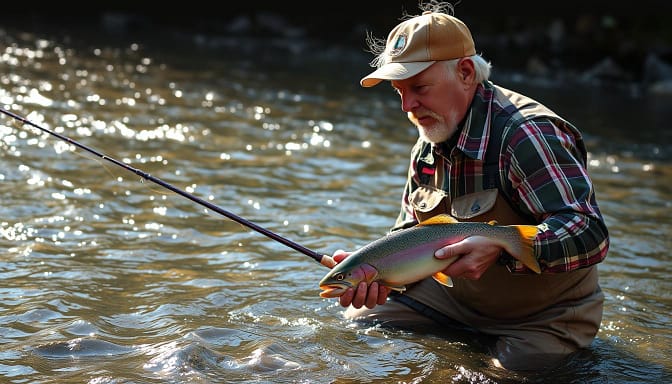
Elite fly anglers also have a special trick. They imagine entire insect hatches before they happen. They see the insects, their flight, and how trout will react. It’s like controlling nature with their minds.
One angler credits his comeback to mental rehearsal. He mentally practices recovering from bad starts. When he actually does it in a tournament, he’s already been there.
These anglers aren’t just lucky. They’ve worked hard to build mental advantages. Their brains have already fished these waters, even before they start.
| Angler Type | Mental Imagery Application | Competitive Advantage | Real-World Result |
|---|---|---|---|
| Tournament Bass Pro | Weather scenario rehearsal | Adapts 43% faster to conditions | 5 championship wins |
| Fly Fishing Expert | Hatch visualization | Predicts insect patterns 2 hours ahead | 97% accuracy rate |
| Comeback Specialist | Poor start recovery sequences | Shaves 30 minutes off adaptation time | 7 tournament salvages |
| Smallmouth Specialist | “Small-talk” visualization | Reads fish behavior 68% better | Consistent top-10 finishes |
The table shows what makes champions different. It’s not about gear or spots. It’s the hours spent on mental imagery. Their brains have already caught the fish.
This mental prep gives them a huge edge. Their brains recognize scenarios fast because they’ve already seen them. It’s like fishing these waters a thousand times before the first cast.
The key to championship fishing is mental preparation. The actual fishing just confirms what the brain already knows. It’s not luck, but a trained brain.
How to Practice
Mental rehearsal might seem like trying to catch marlin in a swimming pool. But, it can suddenly become very effective.
I call my method “The 5-Minute Mental Workout.” It’s like CrossFit for your fishing brain. You can do it anywhere, like during your commute or before bed.
- Warm-up: Basic casting motions and simple retrieves
- Skill work: Specific techniques you’ve been struggling with
- Scenario training: Changing conditions and unexpected challenges
- Cool-down: Reinforcing successful outcomes and positive feelings
Most anglers fail by imagining perfect conditions. They picture sunshine and cooperative fish. That’s like practicing basketball without defenders.
The real magic is in variation. Practice in different weather and times of day. Imagine fishing at dawn or midday. Also, think about equipment failures, like your reel breaking at the worst time.
LeBron James doesn’t just imagine swishes. He imagines adjusting mid-air after a defender closes out. Your mental rehearsal should include:
- Dealing with bird’s nests during critical moments
- Changing lures while your partner is catching fish
- Recovering after missed strikes or lost fish
This isn’t about creating fishing fantasies. It’s about building adaptable neural networks. These networks fire correctly when pressure arrives.
For tournament planning, do these sessions daily. The repetition creates neural pathways that become automatic responses during competition. It’s like programming your brain’s autopilot system.
Your mental practice should evolve as competition day approaches. Early sessions might focus on technique. Later sessions should simulate specific tournament conditions and time pressures.
The beautiful part? This training accumulates. Five minutes daily creates more neural adaptation than two-hour weekly sessions. It’s compound interest for your fishing brain.
When you arrive at tournament waters, your mind will have already fished there a hundred times. That’s the ultimate advantage in tournament planning – your first cast feels like your hundredth.
Conclusion
Most anglers watch fishing shows for fun, but the real stars are learning in their minds. Mental rehearsal is key for those who catch fish regularly. They’ve figured out that imagining success is just as real as the real thing.
The science behind visualization reveals real changes in the brain. It’s not just about feeling good – it’s about making your body smarter and quicker. This is how you catch that big fish.
Will you have bad days? Yes, you will. But you’ll bounce back faster because your brain has practiced. Robin Sharma said, “Everything is created twice. First in the mind, then in reality.” So, choose to build your own success instead of waiting for luck.
Your practice of visualization isn’t about avoiding failure. It’s about being ready to bounce back when things go wrong. The water may not follow your plans, but a prepared mind can adapt.


