
Florida catfish forecast 2026 is not a list anglers should skim and forget. It is a reminder that Florida’s catfish waters do not fish the same way, even when the same bait and rig show up in every tackle box. A river marsh, a big slow river, a spring-fed system, and an urban managed lake all ask different questions before the first cast.
That is the useful part for serious anglers. The state has enough catfish water that “go fish a lake” is barely advice at all; choosing the right type of water matters more than chasing a generic hot spot. The species split in Florida catfish waters already points to the bigger lesson: blue cats, channel cats, flatheads, white catfish, and bullheads do not all reward the same plan.
Florida Catfish Forecast 2026 Starts With Variety
FWC’s freshwater forecast system matters because Florida is not short on options. The state’s freshwater fisheries include more than 8,000 lakes, ponds, and reservoirs, plus roughly 12,000 miles of fishable rivers, streams, and canals. That creates opportunity, but it also creates the easiest mistake in catfishing: treating every waterbody like the last one.
The official freshwater forecast page is built around regional and species-specific recommendations, which is exactly how catfish anglers should think. A big-river blue cat plan may involve current, cut bait, and deep outside bends. A stocked channel catfish plan may be more about access, fresh bait, evening timing, and local rules.
The forecast is a filter, not a shortcut. It helps anglers decide what kind of problem they are solving.
Rivers Reward Current, Edges, and Patience
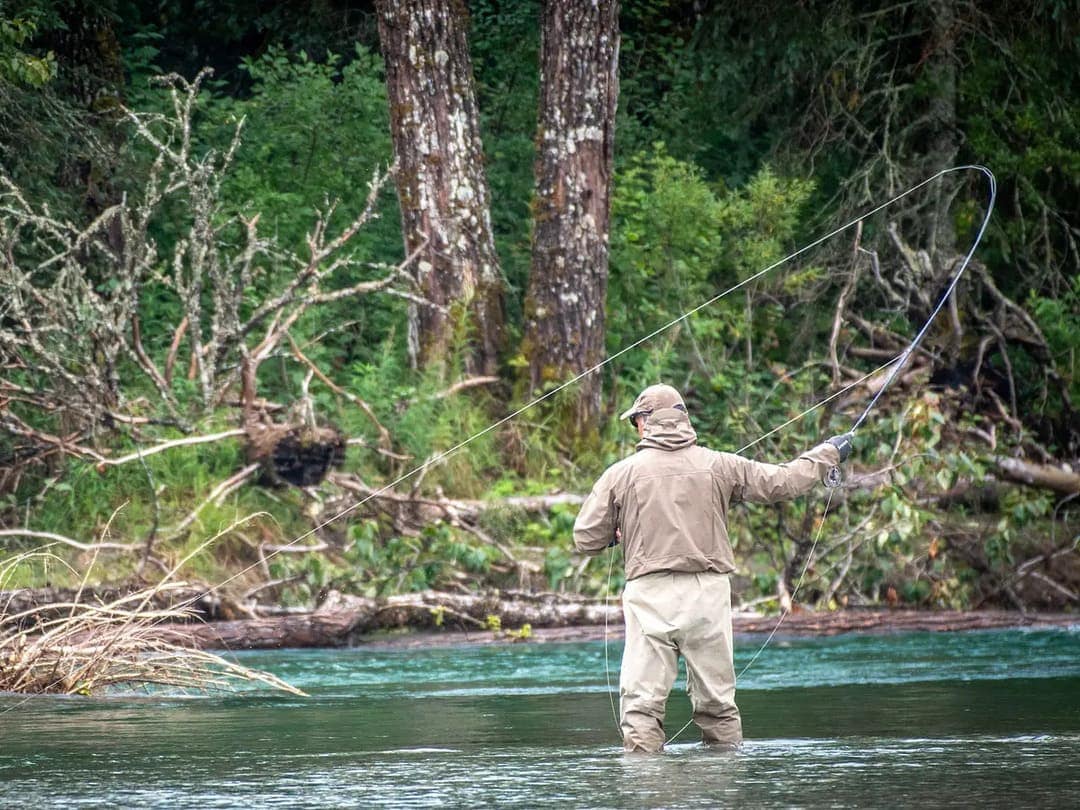
River systems such as the Suwannee, Choctawhatchee, St. Johns, and Escambia-connected waters are not just bigger versions of a pond. They move food differently. They create current seams, eddies, deep bends, undercut banks, and travel corridors that catfish can use for both feeding and holding.
That matters for bait placement. In a river, the best cast is not always to the middle or deepest visible water. It may be to the soft edge of current, the downstream side of structure, or the transition where fast water feeds slower water.
Big river catfishing also rewards patience with purpose. If the current changes, the bait rolls, or the water drops, the pattern changes too. A river angler should watch water level, current direction, and debris movement as closely as the rod tip.
Marshes and Backwaters Demand a Different Read
Marsh-connected catfish water can be deceptive. It may look shallow, messy, and inconsistent, yet still hold feeding fish when food is moving through cuts, ditches, grass edges, and drains. The angler who only wants a clean bank or obvious hole may walk past the active lane.
Backwater fishing is often about timing. Wind, rain, and water movement can pull fish into tight areas, then scatter them when the flow fades. A small inflow or ditch mouth may be better than a wide open bank if it is carrying scent and food.
These waters also make stealth more important. A pressured shallow edge can shut down fast. Shorter casts, quieter movement, and fresh bait often matter more than distance.
Lakes and Managed Waters Put Rules in the Strategy
Lake fishing can be more stable than river fishing, but it is not simpler. Depth, wind, shade, access, stocked fish, and local regulations shape the trip. A productive lake may require anglers to fish near drop-offs at midday, then slide toward banks and inflows as light fades.
Managed waters add one more layer. Some Fish Management Areas have channel catfish bag limits, gear restrictions, access hours, or boating rules that differ from what anglers assume. The state’s catfish forecast is useful, but the forecast should be paired with a rule check before keeping fish.
The safest habit is to pick the water first, then confirm the regulation, then build the fishing plan. Rules can change the trip before bait choice ever matters.
A Forecast-Based Catfish Plan
The best way to use a forecast is to match water type to tactics. A name on a list is only the beginning.
| Water Type | Best First Question | Smart Catfish Strategy |
|---|---|---|
| Big river | Where is food moving? | Fish current seams, holes, and outside bends |
| River marsh | Where is water entering or leaving? | Target drains, cuts, and stained edges |
| Large lake | Where is depth near food? | Fish windblown banks, points, and drop-offs |
| Managed pond | What rules apply here? | Check limits, access, and stocked-fish patterns |
| Urban lake | Where is pressure lowest? | Fish early, late, or shaded structure |
| Backwater canal | Is there flow today? | Follow bait, bubbles, and water movement |
This kind of planning keeps anglers from forcing one tactic into every place. Florida has too much water for that.
The Next Signal Is Pressure
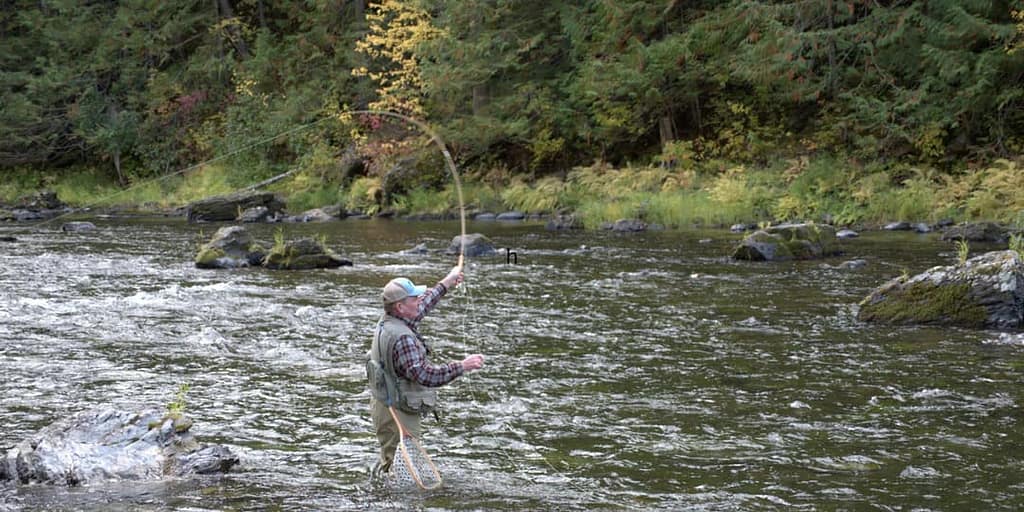
The 2026 forecast will likely send more anglers toward named waters. That attention can be good for participation, but it can also crowd easy banks and popular ramps. When pressure rises, catfish may still bite, but the better bite may shift to off-hours, quieter stretches, or less obvious structure.
Anglers should also watch weather. A forecasted hot spot can fish poorly if water falls, storms muddy the wrong bank, or boat traffic pounds the shoreline. A less famous water can outperform it when timing lines up.
Florida catfish forecast 2026 gives anglers a better starting point, but it should not replace judgment. The real opportunity is learning why each water made the list, then fishing it like its own system. The anglers who stop fishing every lake the same way will read Florida’s catfish map more clearly than the anglers who only chase names.


