
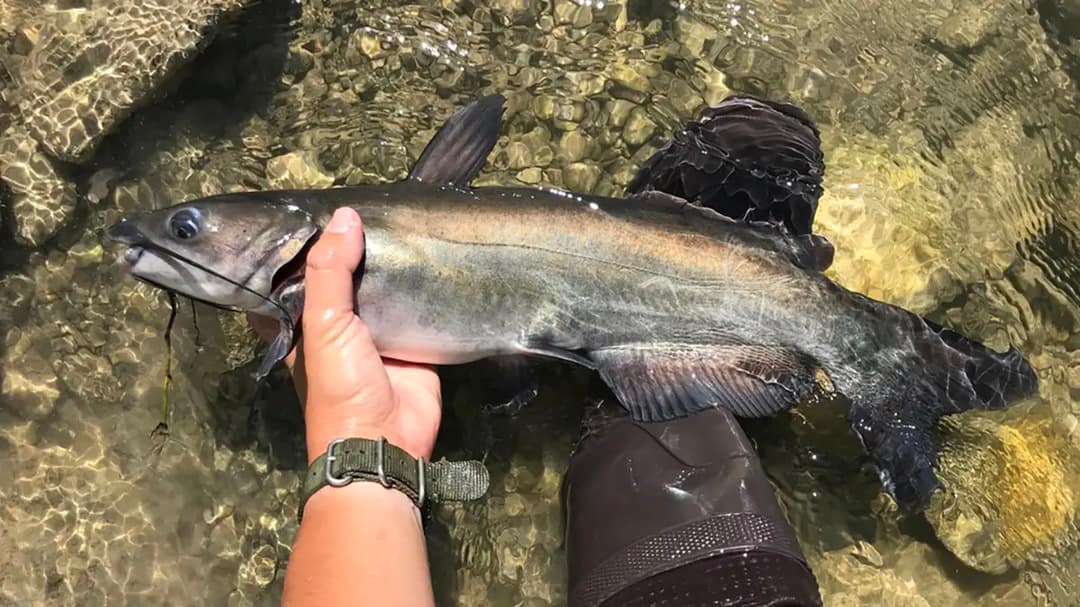

Eating catfish with parasites can look like an instant deal breaker the kind of catch you toss without a second thought. But the truth is more nuanced: those visible yellow grubs or black spots that alarm anglers are often less dangerous than the invisible mistakes that happen after the fish leaves the water.
The real safety question isn’t just what you see in the fillet. It’s how you identify it, handle it, and cook it decisions that belong in the same practical judgment anglers use across Florida catfishing guides, where conditions, timing, and technique all matter.
Why Parasites Look Worse Than They Are
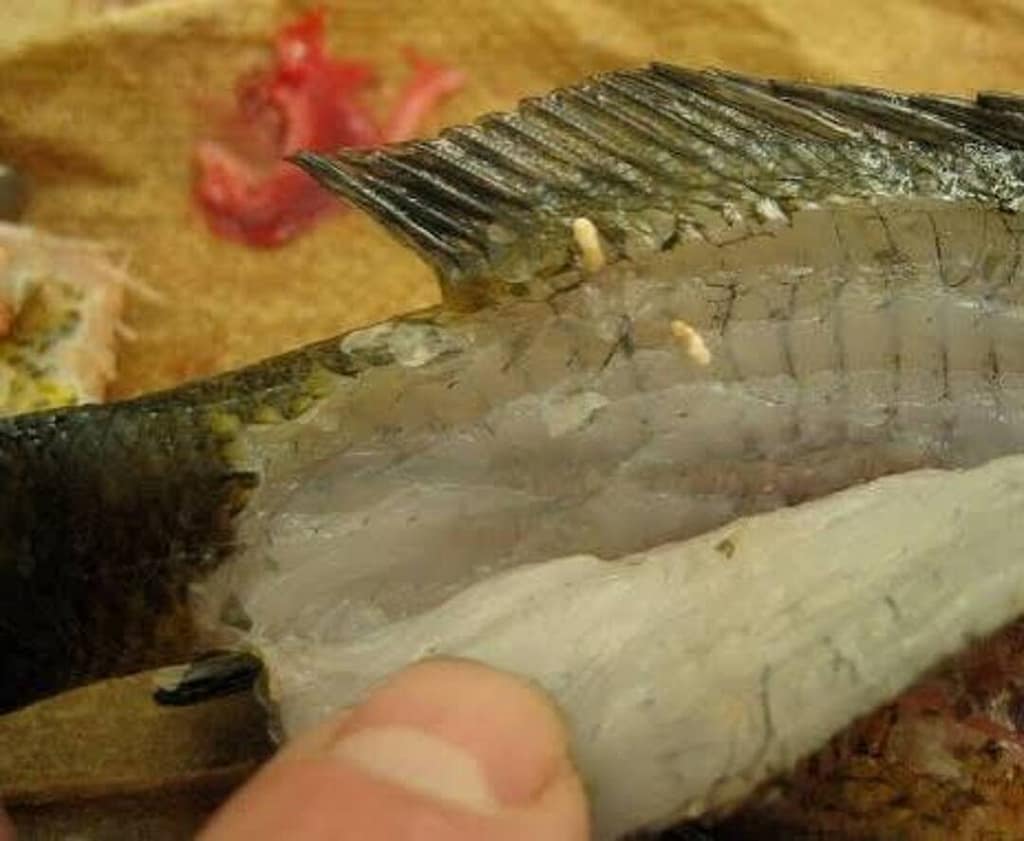
Parasites in freshwater fish are common, especially in wild systems. Catfish can host several types, but two show up often enough to cause concern: yellow grubs (small cysts in the flesh) and black spot disease (dark, pepper-like marks on the skin or fillet).
Both are part of a natural life cycle involving birds, snails, and fish. What matters for anglers is that these parasites don’t infect humans when the fish is properly cooked. They may be unpleasant to see, but they’re not a sign the fish is “poisoned” or unsafe by default.
That distinction gets lost because parasites are visible. Spoilage, contamination, and improper handling the things that actually cause most foodborne illness are not.
When Eating Catfish With Parasites Is Generally Safe
The practical rule is straightforward: identifiable parasites plus proper cooking usually equals a safe meal.
If you can clearly recognize yellow grubs or black spot lesions and the fish otherwise looks and smells normal, you’re dealing with a cosmetic issue more than a safety threat. Trimming heavily affected areas is common, but not always necessary.
Temperature does the real work. Cooking fish to an internal temperature of 145°F or until it flakes easily and turns opaque kills parasites and bacteria alike. That benchmark is outlined in standard seafood handling rules.
There’s also broad agreement across fishery agencies that common flukes in freshwater fish are neutralized by proper cooking, as detailed in freshwater fluke guidance.
What Should Actually Make You Toss the Fish
The bigger risk isn’t the parasite, it’s misreading the condition of the fish itself.
If the flesh shows signs of decay or disease, the decision changes quickly. Watch for soft, mushy texture, sour or ammonia-like odors, or unusual discoloration that doesn’t match known parasites. These signals point to spoilage or bacterial issues, not harmless cysts.
Handling matters just as much. In warm climates, fish can begin to degrade quickly if they’re not iced or refrigerated. Leaving a catch unrefrigerated for extended periods creates a far higher risk than any parasite you can see.
The key takeaway: a clean-looking fillet isn’t automatically safe, and a parasite-marked fillet isn’t automatically unsafe.
A Quick Field Guide to Common Parasite Signals
Before you decide what to do with a fillet, it helps to separate harmless parasites from warning signs that demand caution.
| Signal | Likely Cause | What It Means | Practical Decision |
|---|---|---|---|
| Small yellow or white cysts in flesh | Yellow grub parasites | Common and visible; not harmful when cooked | Trim if desired; cook thoroughly |
| Tiny black spots on skin or fillet | Black spot disease | Cosmetic parasite reaction in fish tissue | Safe if cooked; fillet and inspect |
| Strong sour or ammonia smell | Spoilage or bacterial growth | Fish is degrading | Discard immediately |
| Soft, mushy flesh | Breakdown of tissue | Poor handling or age | Do not eat |
| Unusual lesions or ulcers | Disease or infection | Not typical parasites | Avoid consumption |
This quick check helps avoid the most common mistake: confusing harmless parasites with genuine food safety risks.
The Overlooked Risk: Handling and Temperature
Anglers tend to fixate on what they can see. But temperature control and cleanliness decide whether a meal is safe long before it hits the pan.
Fish should be iced or chilled as soon as possible after being caught. Delays even under an hour in hot weather can accelerate bacterial growth. Cross-contamination during cleaning is another overlooked issue; a dirty cutting surface can undo otherwise careful handling.
Cooking is the final safeguard, but it can’t reverse everything. Once spoilage sets in, no amount of heat restores quality or safety.
That’s why experienced anglers treat parasites as a minor concern and focus more on how the fish was handled from water to table.
What Experienced Anglers Pay Attention To
There’s a quiet hierarchy in how seasoned fishermen judge a catch. Parasites rank low on that list.
Instead, they focus on:
- The fish’s condition at the time of harvest
- How quickly it was cooled
- Whether the flesh remains firm and clean
- How carefully it’s cleaned and prepared
These decisions reflect practical food safety judgment, not just aesthetics. A fish with a few grubs that’s been handled properly is often a better choice than a spotless fillet that sat too long in the heat.
The Decision Isn’t About Looks—It’s About Process
Eating catfish with parasites becomes far less confusing once you shift the question. It’s not “Does this fish look perfect?” It’s “Do I understand what I’m seeing, and have I handled it correctly?”
That shift matters because it separates discomfort from actual risk. Parasites may make a fillet less appealing, but they rarely define its safety. Handling, storage, and cooking do.
For anglers, that’s the real takeaway: trust identification, control temperature, and cook thoroughly. When those pieces are in place, eating catfish with parasites is often far safer than it looks, and far less risky than the mistakes that happen when you ignore the basics.


