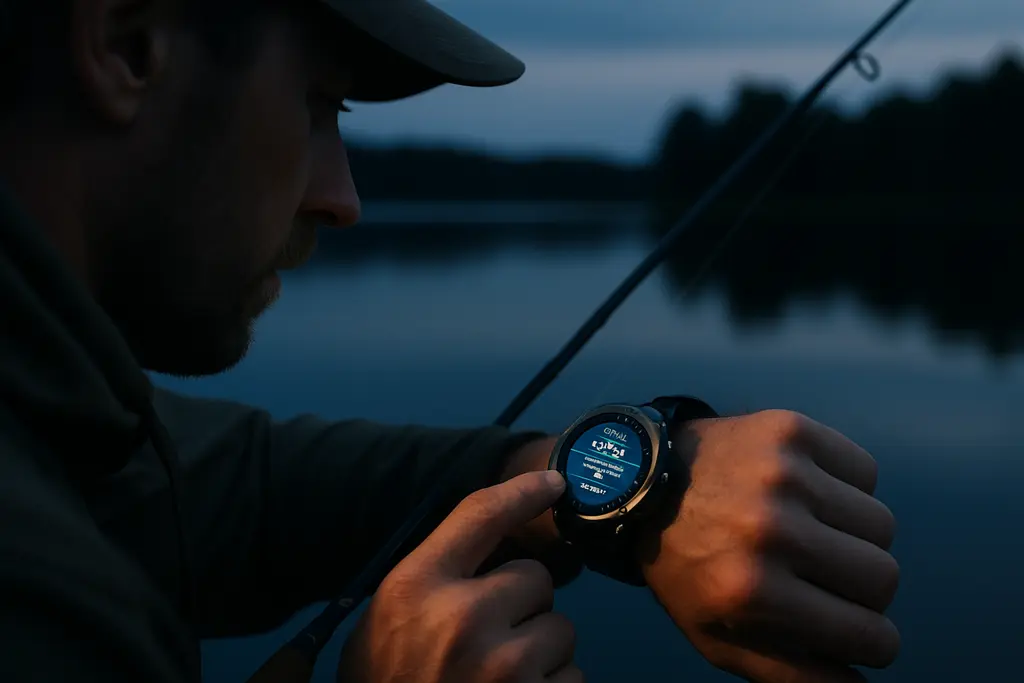
Tar After Dark Gear choices need to be set before the first bait hits the Tar River on October 17, 2026. The Championship Round is scheduled for Port Terminal Rd in Greenville, North Carolina, with team-based competition, the whole Tar River in play, registration from 5 pm to 6 pm, lines in at 7 pm, and weigh-ins at 8 am sharp; late weigh-in means disqualification, and a livewell is required event listing. That schedule rewards crews that rig early, manage darkness well, and keep fish care equipment ready from launch to scale.
Tar After Dark Gear Starts With The Clock
A night catfish event is not won by scrambling at 6:48 pm with three headlamps, two tangled leaders, and one teammate asking where the net went. The clock is part of the tournament structure. Registration runs only from 5 pm to 6 pm, so gear that still needs tying, spooling, charging, or plumbing checks can burn the cleanest hour of your evening.
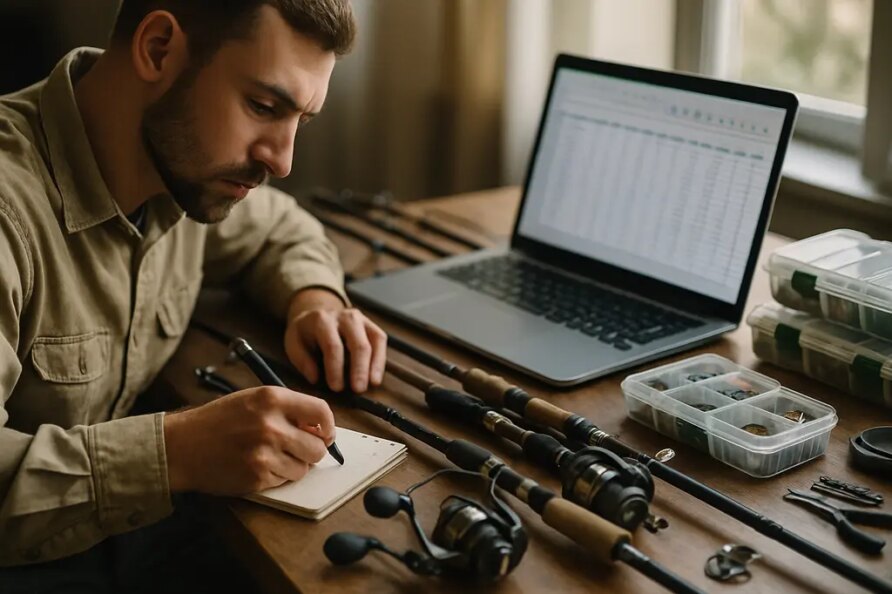
I like to split the prep into three windows: before you leave home, before registration, and before lines in. Home is for line inspection, hook sharpening or replacement, rain shell packing, and battery charging. The ramp or staging area is for livewell function checks, rod layout, bait organization, and team role assignments. The final minutes before 7 pm should feel calm, not like a tackle shop exploded in the boat.
Tar After Dark Gear Timing Checks
Build your timing around the hard 8 am weigh-in. That means every choice after midnight should support two things: keeping baits in productive water and leaving enough time to run safely, handle fish cleanly, and reach the scale without panic. A team that fishes one more “last spot” too long can lose more than sleep. The posted event details say weigh-in is at 8 am sharp, with disqualification for arriving late.
Use that rule to reverse-plan the night. Decide your last fishing stop before the event begins. Decide who clears rods, who checks the livewell, and who handles deck lights during the final move. If the crew has never practiced that handoff, do it once in daylight. Tournament pressure makes simple jobs feel harder, especially after an all-night sit.
Rigging For Big Cats After Dark
For blues and flatheads, the research notes point to circle hooks in the 5/0 to 8/0 range, with smaller 1/0 to 3/0 hooks fitting channel catfish duty. The practical reason is simple: after dark, your hook system needs to work while visibility is low and reaction time is slower. A circle hook setup pairs best with steady pressure, so coach the team before lines in: let the rod load, then start reeling. No wild bass-style swing needed.
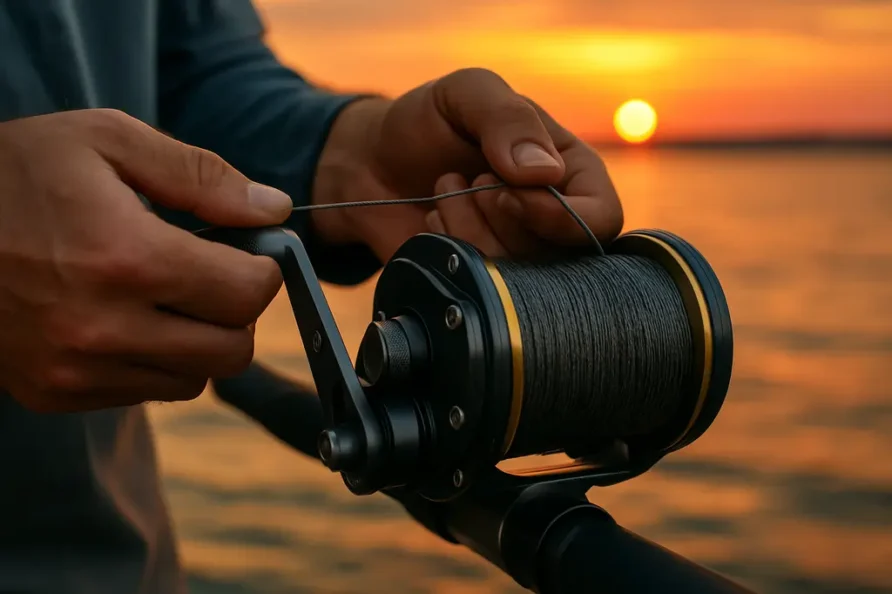
Line choice should match river cover and fish size. The notes support heavy monofilament around 20- to 30-pound test, or braid around 50-pound test with a mono leader for bigger blues and flatheads in structure. If you fish braid, check the leader knot under hard pressure before the event. If you fish mono, strip off nicked line from the last trip. Tar River wood, current seams, and bottom debris are not kind to lazy prep.
Hooks, Leaders, And Bite Cues
Bite detection deserves more attention in a dark-hour tournament. Clickers, bait-click reels, tip bells, lighted tips, and glow rod tips all serve the same job: turning a subtle pull into a clear signal. Do not wait until the first run to learn which rod has a quiet clicker or a loose bell. Test every rod in the yard or at the ramp.
Spread rods so each teammate knows a lane. Crossing lines at night costs time, and time is the one thing you cannot respool. For more big-cat tackle thinking, the same pre-event mindset applies to heavier tournament layouts covered in gear that handles big cats.
Lights, Rain Shells, And Deck Order
Headlamps need adjustable red and white settings. Red light helps preserve night vision, while white light should be used with care during rigging, landing, and livewell work. Pack spare batteries or charge packs where everyone can reach them. A headlamp buried under a cast net or cooler is not gear; it is a scavenger hunt.
For weather exposure, the research notes recommend a light rain shell with at least a 10,000 mm waterproof rating and about 5,000 g/m²/24h breathability, with sealed seams helping during sustained rain. That may sound like clothing talk, but wet anglers make rushed choices. Staying dry keeps hands steadier for knots, fish handling, and safe boat movement.
River Positioning For The Championship Round
The Tar River format opens the whole river, which makes restraint as useful as range. A team can burn the night running past fish, or it can commit to a plan with timed adjustments. The research notes suggest fishing the upper lip of deep holes early after nightfall, then moving shallower around midnight if flats near deeper holding water warm and fish shift up.
That does not mean every boat should run the same path. It means your Tar After Dark Gear setup should let you change depth and position without rebuilding everything. Keep sinker options accessible. Keep fresh leaders ready. Keep bait portions organized so you can reset quickly after a move. The best night crews look boring because their systems are quiet, repeatable, and fast.
Deep-Hole Lips Before The Shallow Move
Early in the night, set rods to cover the edge: one bait near the upper lip, one along the softer seam, and one positioned where current can carry scent without burying the rig. If the bite fades and conditions fit the pattern, slide toward shallower flats above humps or nearby feeding shelves around midnight. Make the move with purpose, not frustration.
Before each move, call out three things: rods clear, livewell checked, deck clear. That quick verbal routine prevents broken tips, stepped-on leaders, and fish-care mistakes. It also keeps all three anglers engaged instead of having one person do every job while the others stare into the dark.
Rules, Livewell Prep, And Fish Care

North Carolina catfish rules matter even when the tournament has its own structure. As of the research supplied for October 13, 2026, there is no daily creel limit for blue, channel, or flathead catfish in most North Carolina inland waters, and no minimum size limit, but named exceptions exist; some reservoirs have a one-fish daily creel limit for blue catfish greater than 32 inches, and posted hatchery-managed waters or Community Fishing Program ponds may set a daily limit of seven channel catfish North Carolina rule.
For the Tar River Championship Round, the action item is not complicated: confirm the stretch you plan to fish, check the tournament rules, and do not assume reservoir exceptions apply or do not apply without checking. Good teams protect their catch, protect their entry, and avoid preventable rule trouble.
Livewell Work Before Lines In
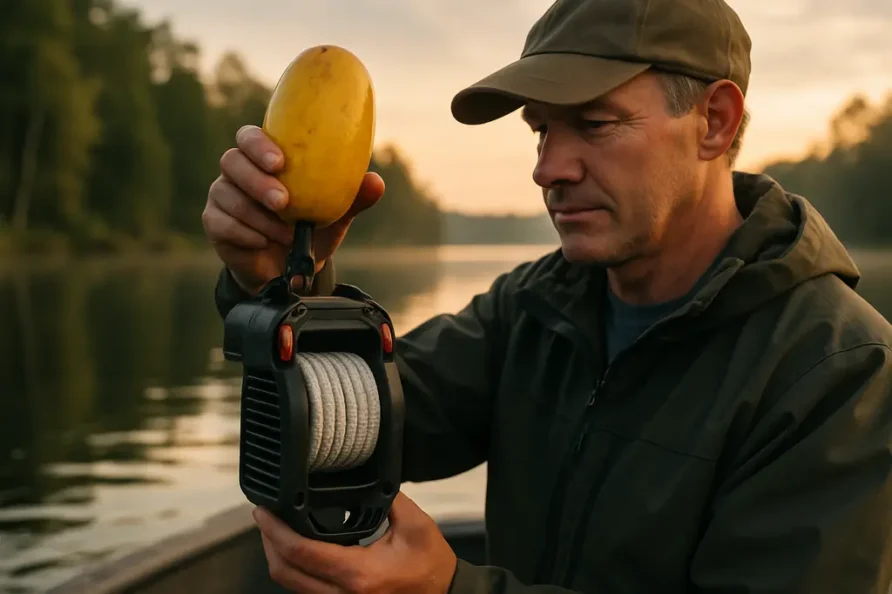
The event requires a livewell, so treat it like primary equipment. Test the pump before leaving home. Check hoses, clamps, lids, and power connections. Make sure the livewell is not blocked by bags, bait tubs, or rain gear. Once fish are aboard, assign one teammate to monitor the system at regular intervals.
Here is the short pre-launch checklist I would tape near the console:
- Livewell pump runs and water moves properly.
- Circle hooks, leaders, sinkers, and pliers are staged by rod station.
- Headlamps work in red and white modes, with spare power packed.
- Weigh-in travel time is set before the last fishing stop.
- Team roles are clear for netting, livewell checks, and rod clearing.
Tar After Dark Gear Checks Before Weigh-In
The last hour can make a disciplined team look sharp or expose every shortcut from the night before. Tar After Dark Gear planning should include the ride back, not just the first cast. Keep the deck clear before the final run. Recheck fish security. Put tools away before movement. Confirm arrival time against the 8 am sharp weigh-in, then give yourself a cushion.
The Last Hour Routine
About 60 to 75 minutes before weigh-in, make a clear team decision: stay only if the spot is producing and the return window is safe. If not, leave. The team that reaches the scale calm, organized, and on time has already beaten one of the hardest parts of an overnight event.
My best advice: make every adjustment serve the format. The October 17, 2026 Championship Round has a defined check-in window, a hard lines-in time, an exact weigh-in time, team structure, and livewell requirement. Match your rigs, lights, clothing, and boat layout to those facts. A good Tar After Dark Gear plan will not catch the fish for you, but it will keep your crew ready when a big cat finally loads the rod in the dark.