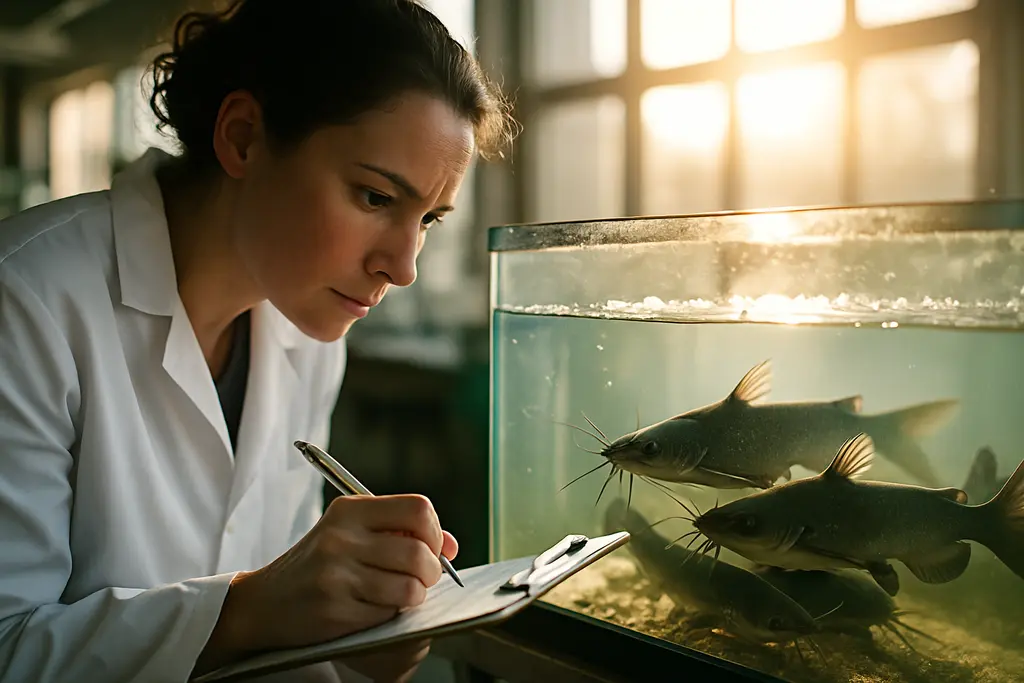

channel catfish training may sound like boat ramps, bait coolers, and rod holders, but the best lessons sometimes come from the lab. Trojan Sex Chromosome research in channel catfish is not a how-to manual for weekend anglers, and it should not be treated like one. Still, it offers a sharp way to think: identify the variable, test it cleanly, record the result, and adjust your fishing plan without guessing.
As anglers, we are not producing YY fish, running hatchery treatments, or replacing fisheries managers. That work belongs to permitted research and management programs. What we can borrow is the discipline. Channel catfish are not random swimming groceries. They are a managed sport fish with biology, stocking history, growth limits, handling concerns, and local pressure. If your gear plan ignores those factors, your tournament day turns into a long weather report with snacks.
Channel Catfish Training Lessons From Genetics
Channel catfish research gives anglers a useful reminder: labels matter. In the lab, researchers do not rely on looks alone. Channel catfish have an XX/XY sex determination system, with genetic males as XY and genetic females as XX, according to USDA ARS research. That one fact should make every angler pause before assuming that a visible pattern on the water tells the whole story.
Channel Catfish Training Starts With Clean Labels
For fishing crews, clean labels mean a trip log that separates what you know from what you think. Write down water body, launch time, water temperature if you measured it, wind direction, bait type, hook style, depth, structure, bite time, fish length, fish condition, and release outcome. Do not write “fish were shallow” unless your casts, sonar, or anchor position support it. Write “three bites came within one rod length of riprap in six feet.” That is usable.
The sex-chromosome work also shows the value of specific markers. Researchers identified a large non-recombining sex-determining region of about 8.3 megabases on linkage group LG04, with many male-specific SNPs and about 185 kilobases of male-specific insertions and deletions, as reported in the NOAA repository record. That level of sorting is far beyond angler work, but the mindset fits perfectly. Stop testing “my catfish setup.” Test one hook gap, one leader length, one bait cut, or one drift speed at a time.
Use The BCAR1 Lesson Without Playing Scientist
The gene BCAR1 has been proposed as a candidate master sex determination gene in channel catfish, and knockout experiments in genetic males produced female phenotypes in the USDA ARS record cited above. That is serious laboratory work, not dock talk. The angling lesson is not to copy the science. The lesson is that one variable can change the whole outcome.
On the water, one variable might be hook style. It might be whether your bait spins in current. It might be whether your sinker keeps the bait pinned or lets it skate across the bottom. In channel catfish training, I like to give each crew member one job during a practice session: one watches rod tips, one tracks the sonar or map, one records bites, and one handles fish. The captain should not be the only person learning. A good crew builds shared memory.
Gear Drills Built On Controlled Variables
Good gear work is not buying the loudest package in the tackle aisle. It is running repeatable drills until your hands quit fumbling. The research notes behind Trojan Sex Chromosome work lean on repeatable identification methods, including rapid PCR-based sex genotyping that can distinguish XX, XY, and YY genotypes in channel catfish populations. Anglers do not need PCR gear. We do need the same respect for repeatable checks.
Rig Board Practice Before The Boat Ramp
Set up a rig board at home or at camp. Tie three versions of the same basic bait rig: short leader, medium leader, and long leader. Keep the main line, hook model, bait size, and sinker style the same. Pull each rig through a bucket, trough, or shoreline current and watch whether the bait rolls. A rolling bait can twist line and present poorly. A steady bait looks natural and keeps the hook point ready.
For channel catfish training, run that drill with a timer. Give each angler five minutes to tie, bait, inspect, and explain the rig. The point is not speed for speed’s sake. The point is calm movement under pressure. Tournament pressure makes simple knots feel like tax paperwork in a rainstorm. Practice keeps your hands honest.
Hooking And Release Rehearsals
Gear practice should include fish care. Research in the notes for this topic found that angler gear and methods can influence hooking injury and post-release survival, with circle hooks and bait rigs helping fish hook shallowly in the corner of the mouth during a 2023 Illinois study. Since that source is outside the approved citation list for this page, treat the takeaway as a practice point to verify against your local rules and your tournament format: favor setups that reduce deep hooking, bleeding, and long air exposure.
- Pre-stage pliers, cutters, measuring board, and weigh sling before the first bait goes out.
- Assign one angler to wet hands or gloves before handling fish.
- Practice unhooking with a dummy rig so nobody learns with a thrashing fish in poor light.
- Replace dull hooks before practice, not after losing a good fish.
- Record any bleeding, deep hooking, or release delay in the trip log.
If your release routine looks like a garage sale in a thunderstorm, tighten it up. Catfish are tough, but tough is not an excuse for sloppy handling.
Reading Stocking Pressure And Fish Size
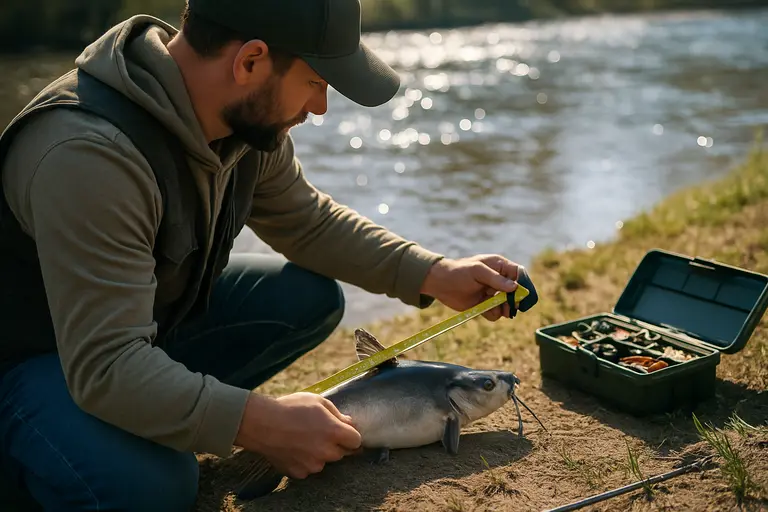
Trojan Sex Chromosome research sits inside a larger management question: how do fish populations respond when managers adjust sex ratios, stocking, or removal pressure? Anglers may not control those programs, but we fish the results. The research notes include stocking studies showing that angler opportunity and fish abundance can shift within months after stocking in small impoundments, and other work found growth differences between stocked and non-stocked lakes. Those details should change how you train.
Build A Stocking-Aware Practice Plan
Before practice, check official local stocking records when they are available. If the lake recently received catchable channel catfish, expect fast angler pressure near easy access points. That does not mean the bank is bad. It means you should test the obvious areas quickly, then compare them with less pressured corners, channel edges, inflows, deeper bends, or wind-blown banks.
This is where catfish tournament strategy connects with biology. Tournament crews need a schedule, not just a favorite spot. Spend the first hour checking high-probability water. Spend the next block testing a different depth or structure type. Save your strongest area only if you have a reason, not because superstition is driving the boat.
Match Gear To Population Clues
If your practice catches are mostly small fish, scale down bait size long enough to confirm whether larger fish are absent or simply not committing. Then run one larger bait per spread to screen for better fish. If bites are steady but fish are thin, shorten fight time with balanced tackle and avoid turning every catch into a photo session. If you find fewer bites but heavier fish, slow down and keep baits in the strike zone longer.
For channel catfish training, I like a two-pass system. First pass: cover water and identify life. Second pass: refine the rig and bait around the best signal. That keeps a crew from camping on dead water just because the anchor landed pretty.
| Training Focus | Research-Inspired Habit | On-Water Gear Action |
|---|---|---|
| Variable Control | Change one factor at a time | Test leader length while keeping bait and hook constant |
| Clean Identification | Separate known data from assumptions | Log depth, structure, and bite time after each fish |
| Population Awareness | Think beyond one trip | Compare stocked access zones with lower-pressure water |
| Fish Care | Track handling outcomes | Stage tools and reduce unhooking delay |
What Trojan Sex Chromosome Research Means For Catfish Anglers
The Trojan Sex Chromosome approach is being evaluated in management settings as a way to skew invasive or unwanted populations toward males through YY individuals. For sport anglers, the direct work stays with researchers and agencies. The practical value is the training culture it suggests: measure, verify, repeat, and stay humble when the fish prove you wrong.
Channel catfish training should feel like a practice plan, not a superstition contest. Your gear box should reflect what your notes prove. Your rod spread should answer a question. Your crew roles should reduce confusion. Your release process should protect the fishery you plan to enjoy again.
The next time someone says, “They always bite on this bank,” ask for the log. If the answer is a shrug, run a test. Set two baits shallow, two on the break, and one larger bait near cover. Track the first real signal. The lab may work with chromosomes, SNPs, and genotyping, but anglers work with hooks, bait, current, and time. The shared standard is the same: better inputs make better decisions.
That is the real gift of this research angle. It pushes us away from lucky-shirt fishing and toward disciplined practice. Keep your rigs clean, your notes honest, your handling quick, and your mind open. Catfish will still humble you. That is part of the sport. But with stronger habits, they will teach you instead of just stealing your bait.