Menhaden Decline matters to sport anglers because forage shapes where predators feed, how hard they chase, and which baits get noticed. If you fish for catfish, red drum, mackerel, sharks, striped bass, or mixed inshore species, the smart move is not panic. It is better scouting, sharper bait choices, and a willingness to change locations when the food chain gives you a different signal.
I look at menhaden the same way I look at current, oxygen, and water temperature: not as a magic answer, but as one part of the pattern. Menhaden are forage fish, and forage fish draw attention from bigger fish. Yet the best available Gulf research also shows that predator diets are not always as menhaden-centered as anglers may assume. That means your best day on the water may come from reading what is actually happening in front of you, not from forcing yesterday’s bait plan into today’s conditions.
What Menhaden Decline Means For The Bite
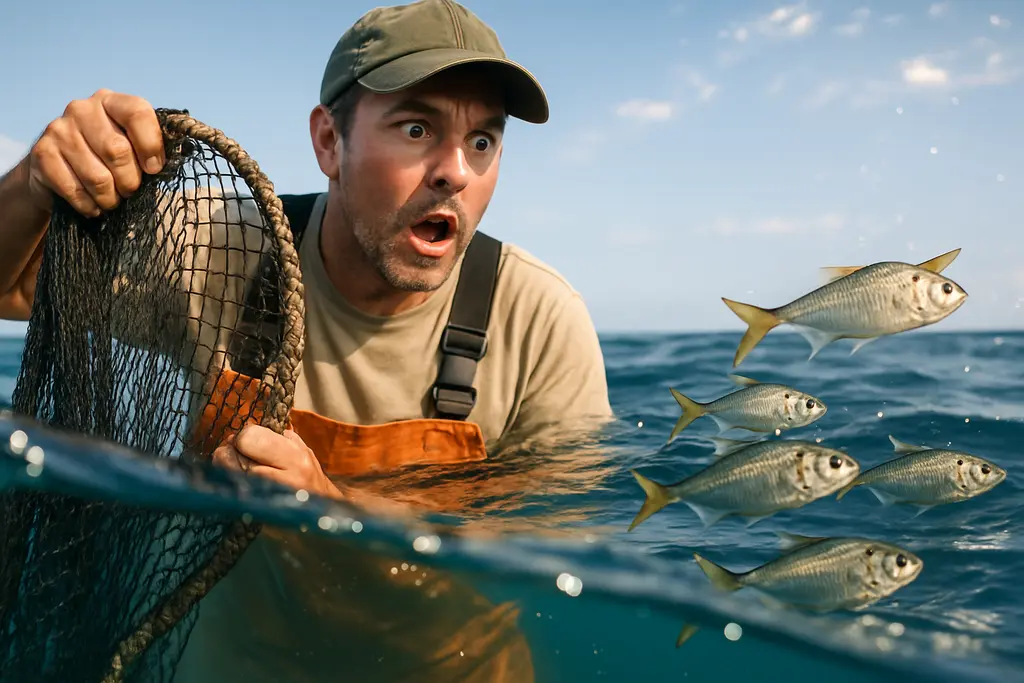
A 2023 Gulf-wide ecosystem model found that if Gulf menhaden harvest increased toward historical highs, predator biomass for several groups, including king and Spanish mackerel, red drum, blacktip sharks, large coastal sharks, and pelagic piscivores, would drop by about 11% NOAA Fisheries ecosystem model. For anglers, that does not mean every predator vanishes from your favorite flat or channel edge. It does mean the forage base can influence predator condition, movement, and feeding opportunity at a scale big enough to affect fishing decisions.
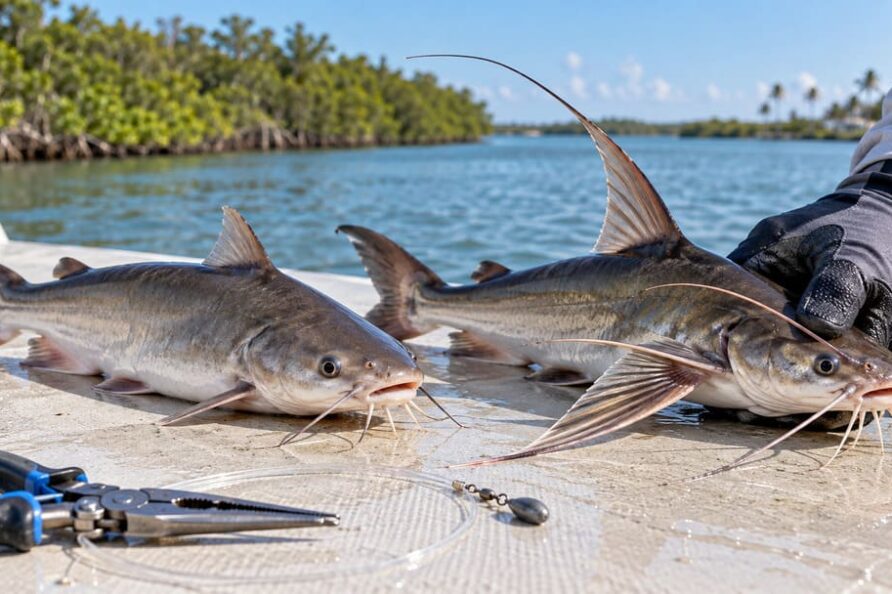
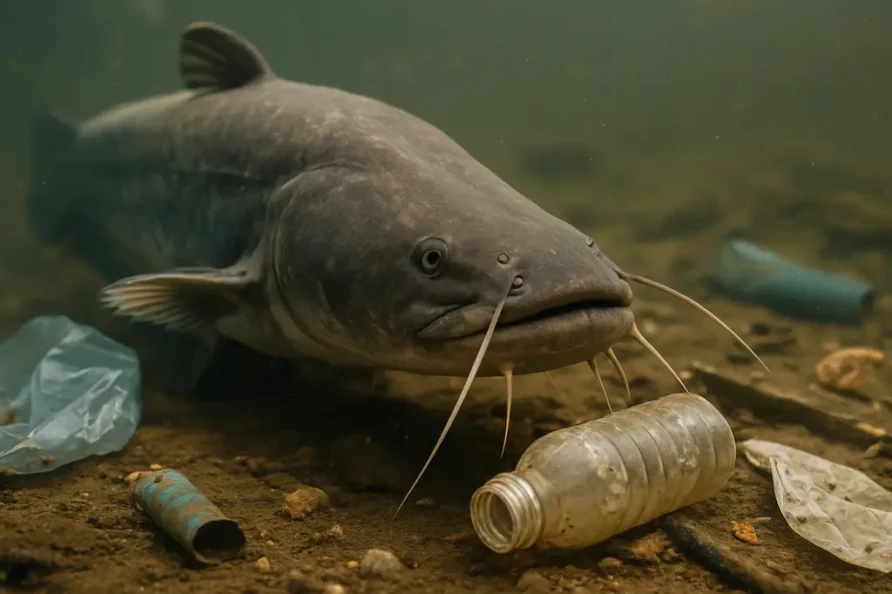
Catfish anglers should treat that as a planning signal. If a system has less concentrated forage in the usual places, predators may spread out, push into different edges, or feed in shorter windows. Blue cats, channel cats, and flatheads already reward anglers who pay attention to current seams, scent lanes, and bait movement. A weaker or less predictable forage pattern makes that discipline even more valuable.
Menhaden Decline Signs On The Water
Start with your eyes before you start with your rod. Watch for surface flips, nervous bait, birds dipping low, and predator pushes along banks, bars, bridge shadow lines, and creek mouths. If those signs are missing in areas that usually hold life, do not spend three hours proving the spot wrong. Give it a fair soak, then move to the next feeding lane.
The practical trap is assuming Menhaden Decline creates one simple outcome. Fish do not read reports. They respond to food, cover, current, temperature, salinity, and pressure. If forage is thinner in one pocket, catfish may still feed well where current delivers scent and disoriented prey. Red drum may slide to a nearby bar. Mackerel may stay tighter to bait schools farther out. Your job is to stop fishing memories and start fishing the evidence.
How To Adjust Bait And Location
The University of Southern Mississippi reported in 2025 that Gulf menhaden were not the primary prey for any of the 30-plus predator species examined, and that other prey were often more central in predator diets University of Southern Mississippi research release. That is a big reminder for anglers: match the forage you can verify. If you see small bait flicking in a creek arm, fish a bait profile that fits that size. If predators are rooting along bottom structure, slow down and keep scent in the strike zone.
For catfish, I like a two-bait test when forage patterns are uncertain. Put one rod on a natural cut bait that matches local forage size. Put another rod on a stronger scent option and place it slightly down-current of the first. Give both baits clean water flow. If one rod gets taps, bumps, or short pickups, adjust the rest of your spread toward that clue. This is simple tournament thinking: let the fish vote, then respond fast.
Read The Forage Before You Pick The Rig
If bait is high in the water, do not assume the bottom bite is dead, but shorten your scouting cycle. Catfish often feed best where food is delivered to them, so channel edges, outside bends, drain mouths, and bridge pilings deserve attention. For other game fish, surface activity may point you toward faster presentations, but only if the fish are actively chasing. If you see bait with no strikes, slow down and fish the edges rather than the middle of the school.
Use your electronics with a purpose. Mark bait depth, bottom hardness, and the first edge where the channel breaks. A screen full of scattered life is not as useful as a small zone where bait, current, and structure overlap. If your sonar shows bait suspended over deep water but your catfish rods stay quiet, slide to the nearest edge that gives fish a feeding advantage.
- Shorten your first soak: Give a new spot enough time to show signs, but do not camp on dead water.
- Fish two scent lanes: Place baits at slightly different depths or current angles to find the active lane.
- Match visible forage: Let bait size and presentation follow what you see, not what worked last month.
- Track body condition: Slimmer predator fish can be a clue to changing forage quality, but treat it as one clue, not proof by itself.
- Log each move: Note tide or river stage, bait activity, water color, and which rig drew attention.
Gear Choices For Changing Forage Patterns
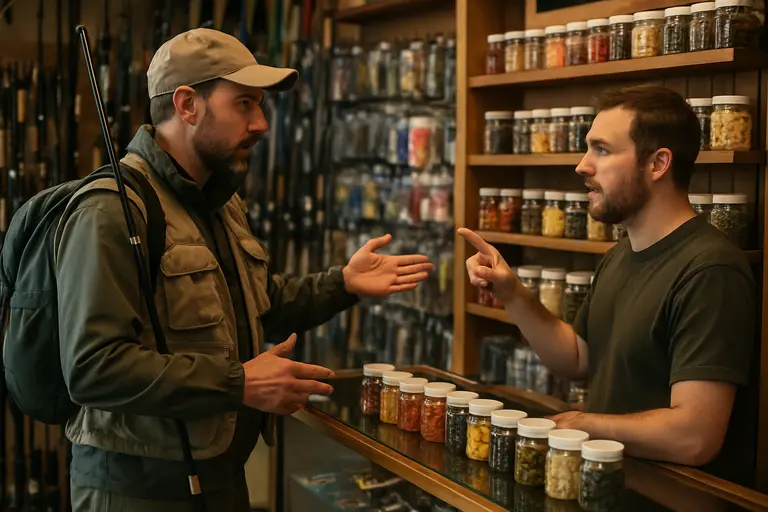
For catfish, changing forage patterns call for control more than flash. A medium-heavy to heavy rod with enough tip to show light pickups helps when fish mouth bait instead of crushing it. Use sinker weight that holds bottom without pinning the rig so tightly that the bait looks dead. In current, I want the bait settled but still able to breathe, twist, and leak scent naturally.
Leader choice should fit the bottom. Around shell, rock, and bridge rubble, abrasion resistance beats finesse. Over clean mud or sand, you can lighten up if bites are hesitant. Circle hooks remain a strong choice for bait fishing because they reward steady pressure rather than a wild swing. Keep hook points clean, especially after dragging through grass or soft bottom.
Menhaden Decline Gear Adjustments
Menhaden Decline does not require a whole new tackle box. It does reward anglers who carry a wider bait and rig plan. Pack enough leader material to change length. Keep sinkers in small steps so you can hold bottom in one lane and drift slowly through another. Bring a sharp knife for clean cut bait, because ragged chunks wash out fast and spin poorly in current.
For mixed game fish trips, carry a few lures or bait rigs that cover different parts of the water column. If predators are not pinned to menhaden schools, you may need to test top, middle, and bottom before finding the active zone. That is not wasted time. That is scouting with a rod in your hand.
If you want to sharpen the habit of adjusting to what fish show you, this piece on fish behavior changes connects well with the same on-water mindset: observe first, then pick timing, depth, and action.
Menhaden Decline Tactics For Your Next Trip
Build your next trip around three checks: forage, feeding lane, and response time. First, look for bait presence or absence. Second, choose a spot where current, depth, and structure give predators an easy feeding path. Third, set a time limit for each location. If you get no taps, no bait activity, and no predator signs, move with confidence.
On a river catfish trip, that might mean starting at a creek mouth at low light, sliding to an outside bend once current strengthens, then testing a bridge line if boat traffic or sun pushes fish tighter to shade. On an inshore mixed-bag trip, it might mean checking birds and bait first, then working nearby bottom structure if the surface bite never forms.
The best anglers I know do not treat forage reports as excuses. They use them as starting points. If menhaden are scarce in a zone, ask what else is available, where current would carry it, and which predator has the easiest ambush position. That mindset keeps you active, curious, and ready when the bite window opens.