
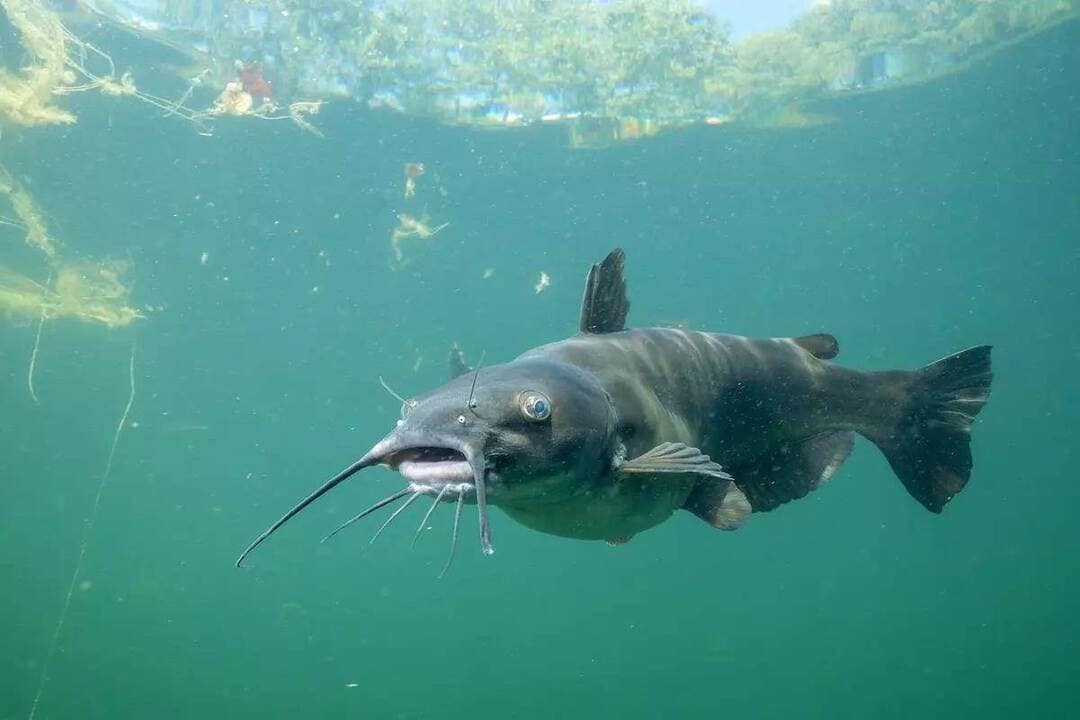

Channel catfish might not always steal the limelight from their larger cousins, the flatheads and blue cats, but for those who know where and when to look, they offer some of the most rewarding freshwater fishing around. If you’ve overlooked the humble channel cat in the pursuit of social media-worthy monsters, it might be time to give this unsung species its due, especially as the spring season arrives.
Why Channel Catfish Deserve More Attention
Anglers often travel miles to chase after giant blues and flatheads, forgetting about the channel catfish populations in their own local fisheries. That was certainly the case for me for years; as a kid, my focus was set on the more ‘glamorous‘ species, and channels were mostly an afterthought.
It wasn’t until a few springs ago, during a period when being outdoors offered a much-needed respite, that I decided to give channel catfish its rightful place in my fishing agenda. Spending more time on the river, I found joy not only in catching the usual American shad and tossing plugs for stripers but also in making an effort to target channel cats using different approaches.
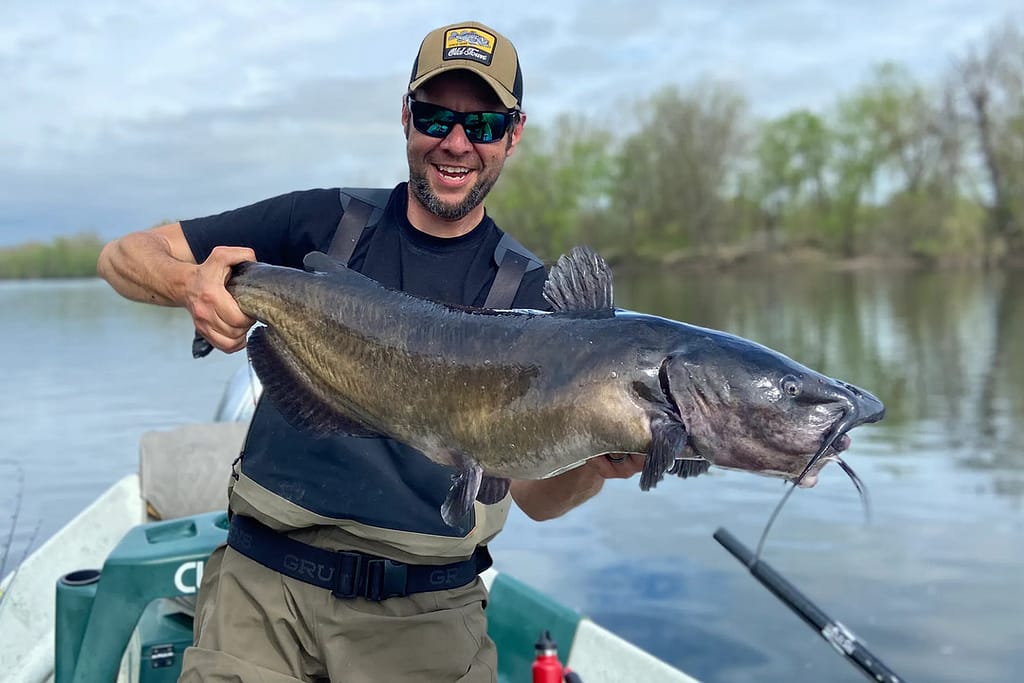
That’s when I discovered that my local waters especially the Delaware River were loaded with channel catfish, and that spring was the season to land some of the largest specimens I’d ever seen. Since then, they have become a staple of my fishing adventures.
The Secret to Bait: Scent and Simplicity
Once the summer heat sets in, catching channel cats is fairly straightforward, and the bait of choice might surprise you. I’ve consistently found that soaking simple hot dogs in a mix of fruit drink powder and garlic powder creates a potent attractor. Channel catfish rely heavily on their sense of smell and are especially drawn to baits with strong, distinct odors.
Oddly enough, the more affordable the hot dog, the more enticing it seems to be. It’s probably due to the abundance of nitrates and artificial flavors found in lower-cost frankfurters. Summer also brings success with chicken liver and earthworms. These baits bring in high quantities of channel cats, but as the season progresses, it becomes tougher to hook the real river giants.
Spring: The Prime Window for Trophy Channel Cats
While summer offers steady bites, spring presents the best odds of encountering hefty channel catfish. Much like other predatory fish, channel cats become hyper-focused on the arrival of migrating baitfish in the spring. In regions near the coast, river systems fill with herring, hickory shad, or American shad. Farther inland, schools of gizzard shad and alewife get the local channel cats riled up and on the hunt.
Despite their reputation as opportunistic eaters, channel cats in the spring turn into selective feeders, keying in on the season’s most abundant prey. Using fresh, locally sourced baitfish during these months dramatically increases your chances of landing a big one. A chunk of freshly cut shad is particularly effective, often attracting the largest catfish before the smaller ones can even get a bite.
Proven Techniques for Spring Channel Catfish Success
When it comes to tactics, fishing for channel cats in spring has its nuances:
- Location is Critical: Seek out areas where baitfish congregate—confluences, deep pools, and outside bends in rivers are all prime real estate.
- Timing: Early morning or just before sunset tends to be the most productive, as channel cats feed actively during lower light conditions.
- Rigging: Bottom fishing with a sturdy rod, strong line, and a simple slip-sinker rig works perfectly. Make sure your hook is sharp—channel cats will spit out poorly presented bait quickly.
Aim to keep your bait as fresh as possible, and don’t be afraid to experiment with different parts of the baitfish (heads, fillets, or guts). Sometimes, the odd-looking chunk is what triggers the bite from the biggest fish.
Why Spring Offers the Best Channel Catfish Action
As waters warm, not only do channel cats become more active, but the influx of baitfish also makes them aggressive and competitive feeders. The competition for food during this period causes larger fish to strike baits more recklessly and frequently than at any other time of the year.
Additionally, spring is the pre-spawn window when adult catfish are feeding heavily to put on weight. Once they begin spawning, their focus shifts, and catches of trophy fish become less frequent making this seasonal surge your target moment.
Responsible Fishing and Conservation
While it’s thrilling to hook into heavyweight channel cats, remember that selective harvest and catch-and-release practices keep these fisheries healthy and productive. Avoid high-mortality bait and use circle hooks to minimize deep hooking.
Closing Thoughts
If you’ve overlooked channel catfish in the past, spring is the season to rediscover just how exciting and accessible they can be. With the right bait, a sense of adventure, and some patience, you could hook into the channel cat of a lifetime while the trees are still budding and the rivers are full of life.
Give these overlooked predators a chance this spring, and you may find yourself hooked for good.


